Biography
Ana Mendieta (b.1948, Havana, Cuba; d.1985, New York, US) was an interdisciplinary artist who worked across sculpture, drawing, film, installation, performance and photography. Mendieta’s artistic interventions mediate between nature, time and personal and collective memory, using earth as a sculptural medium and her body as material.
The UK’s first major exhibition dedicated to multidisciplinary artist Mendieta in over a decade has opened at Tate Modern in July 2026. Spanning a period of 15 years, Mendieta created groundbreaking work across mediums, and created site-specific installations. Her pioneering work is in more than 120 public collections worldwide, and has been the subject of 56 monographic exhibitions, which includes 16 major museum retrospectives.
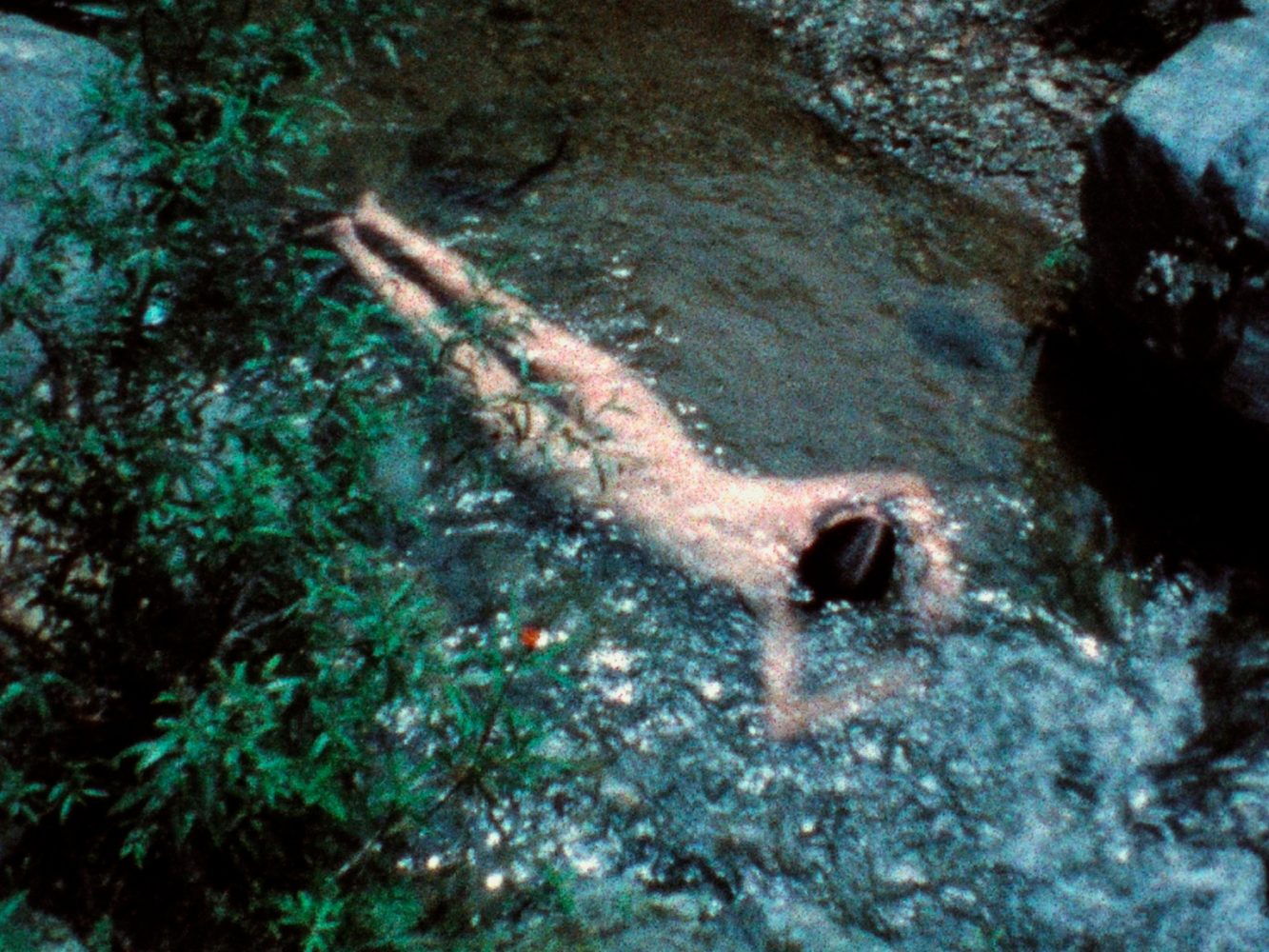
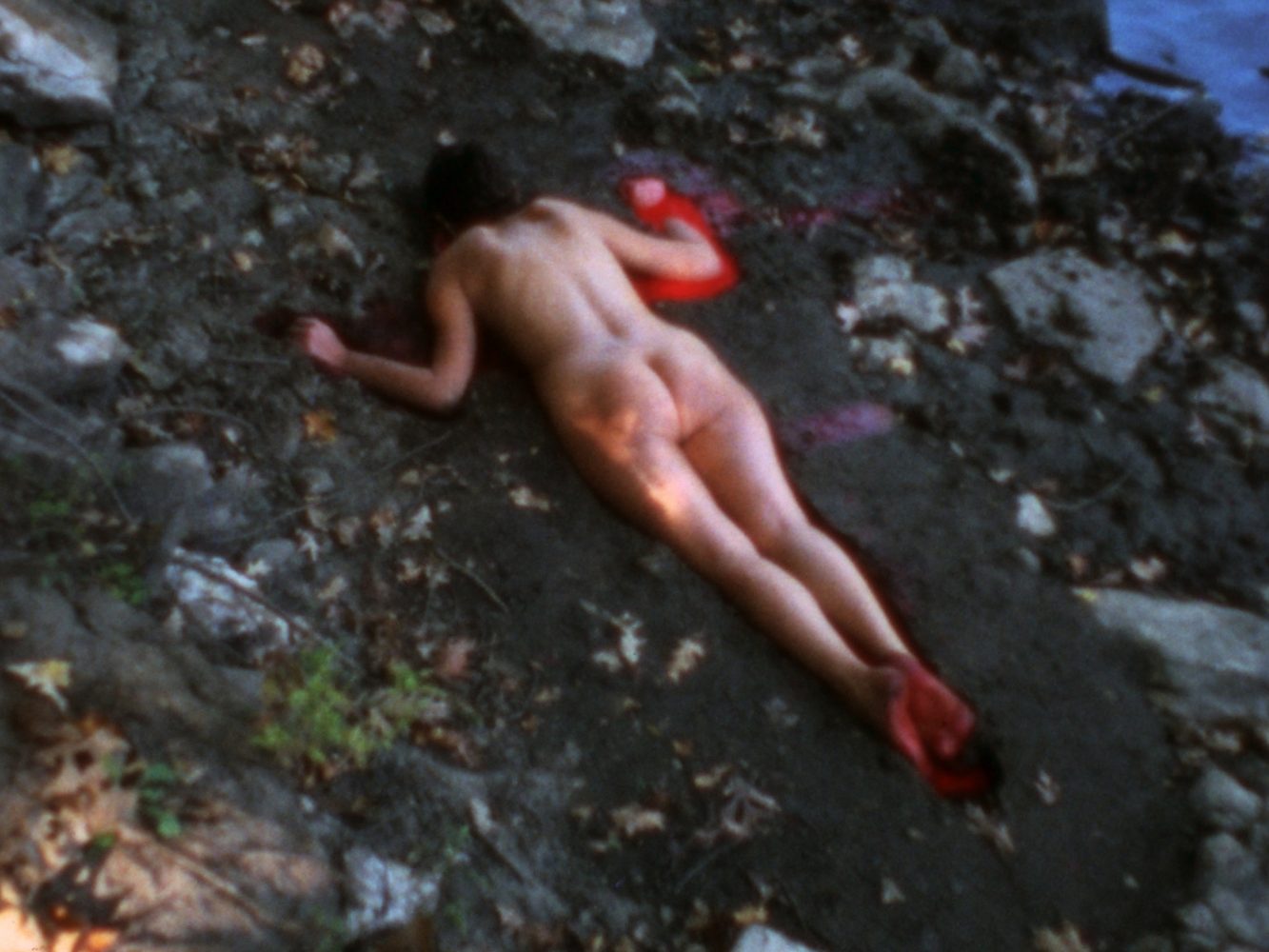
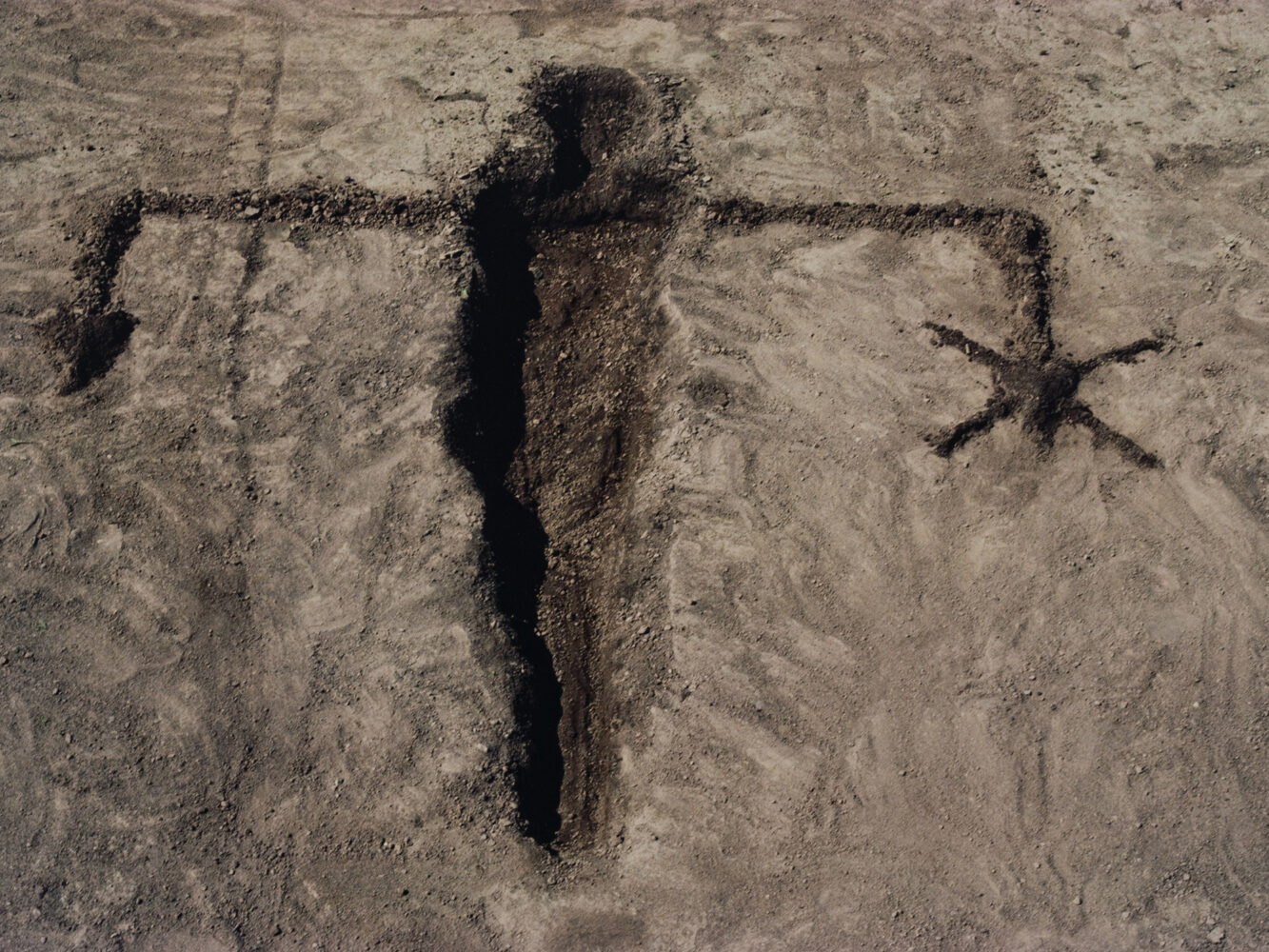
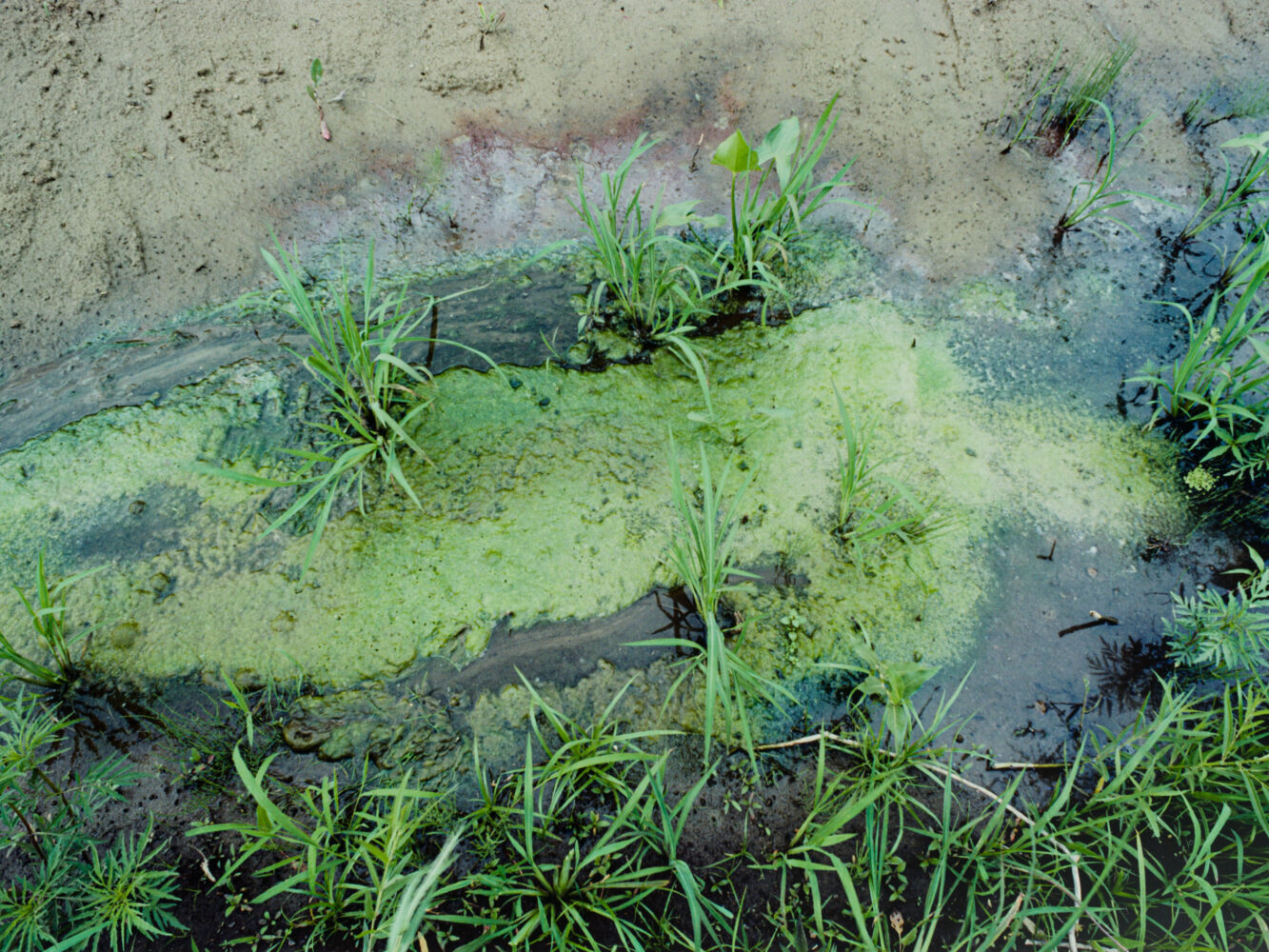
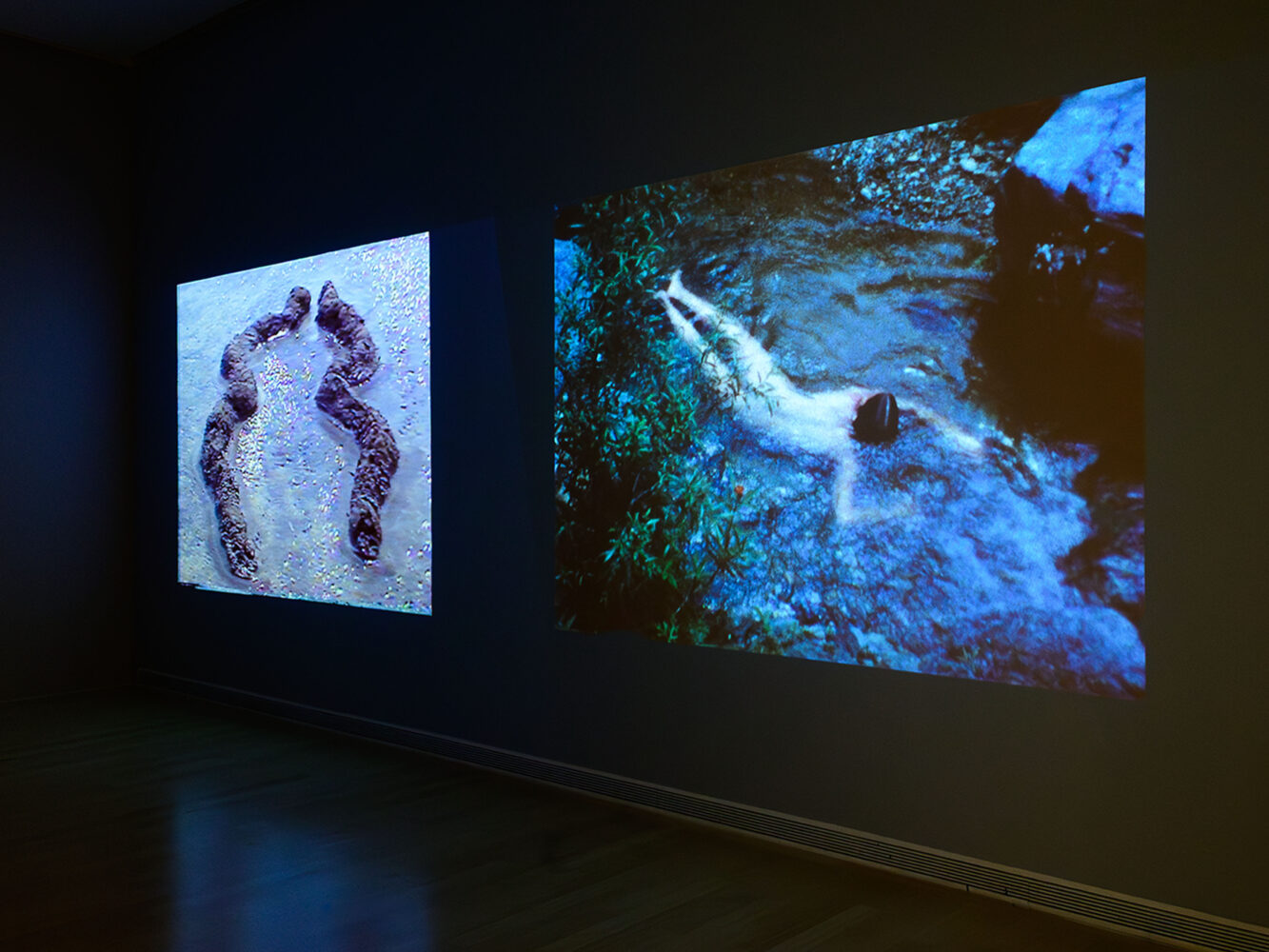
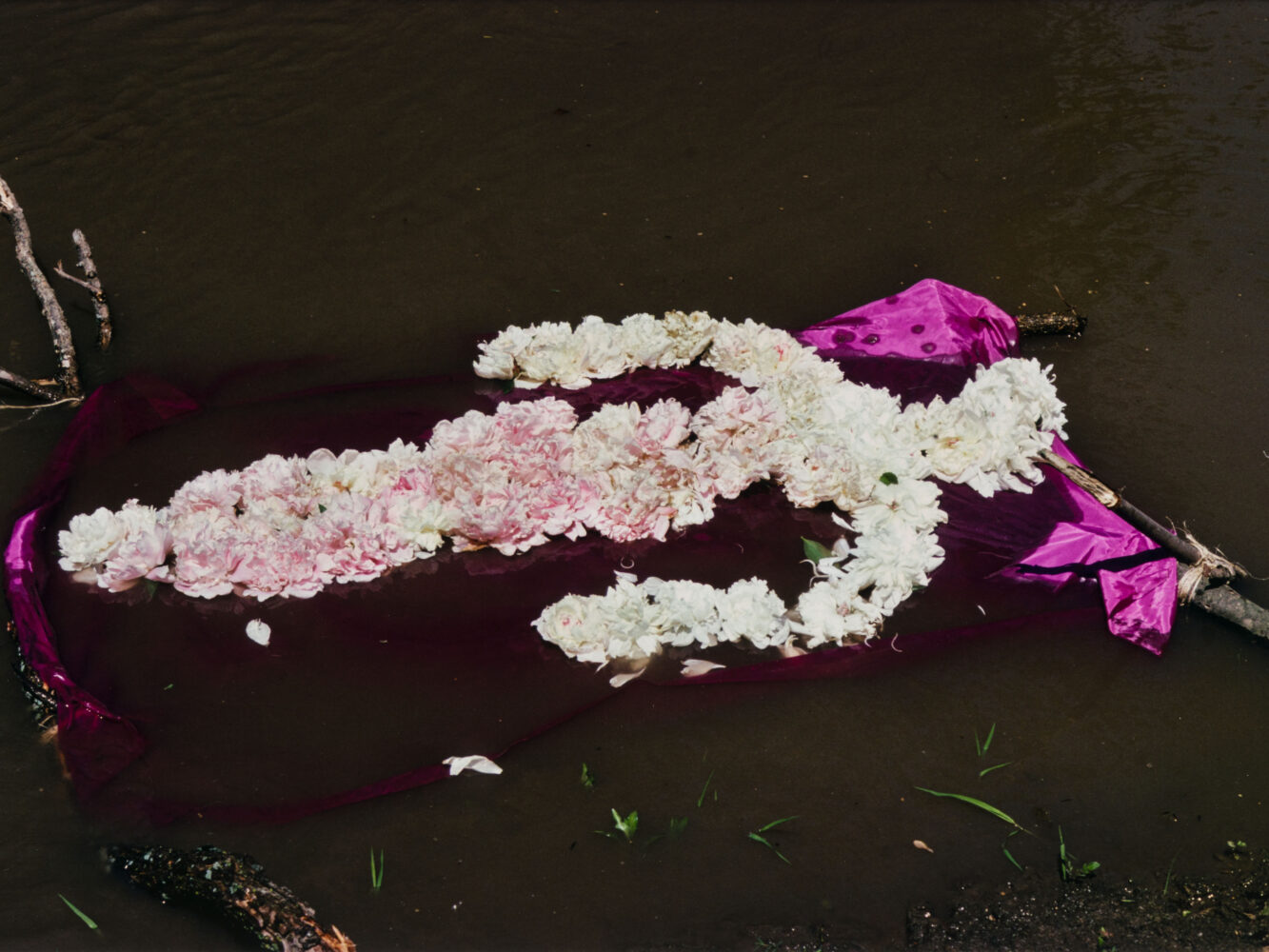
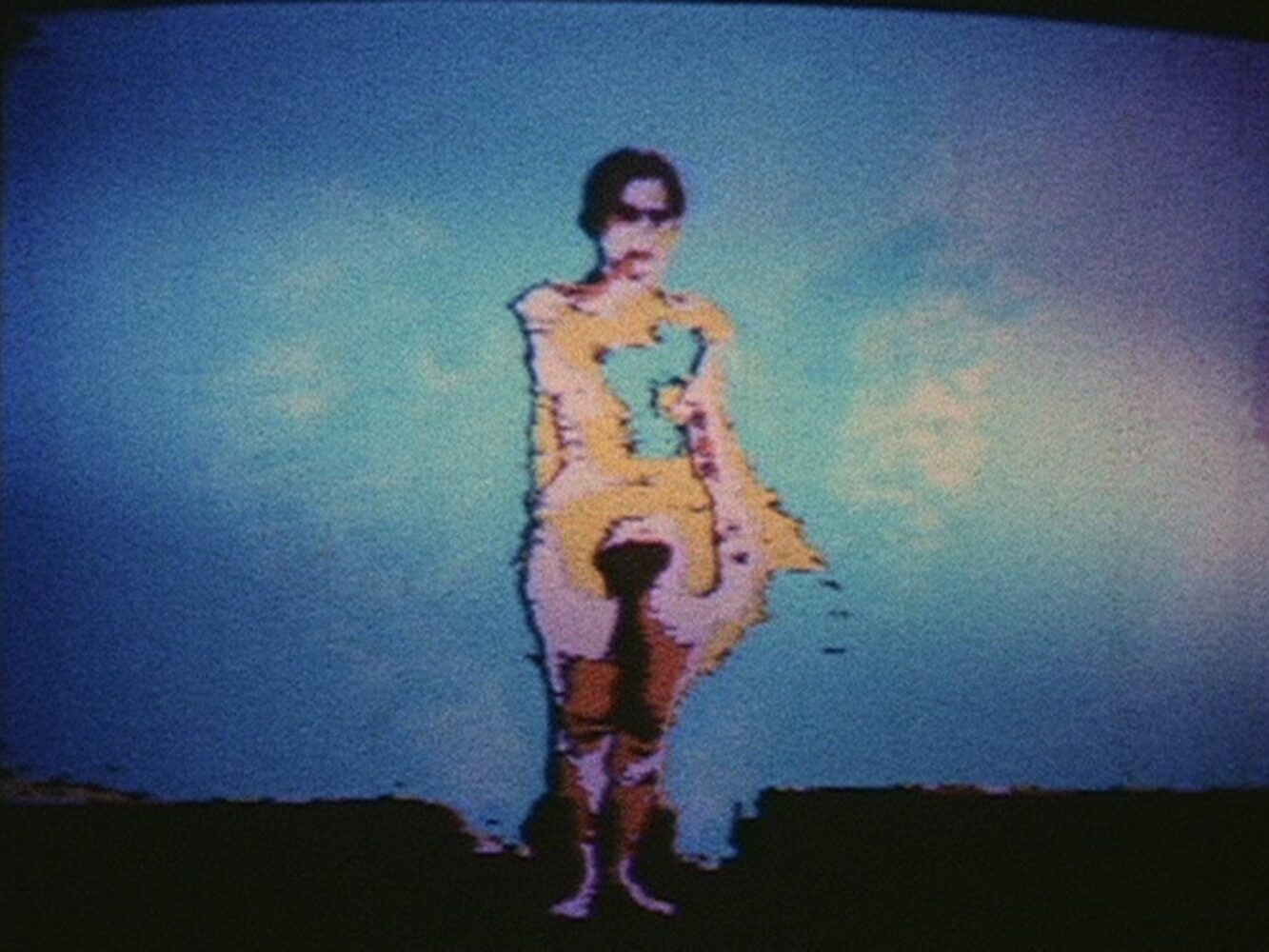
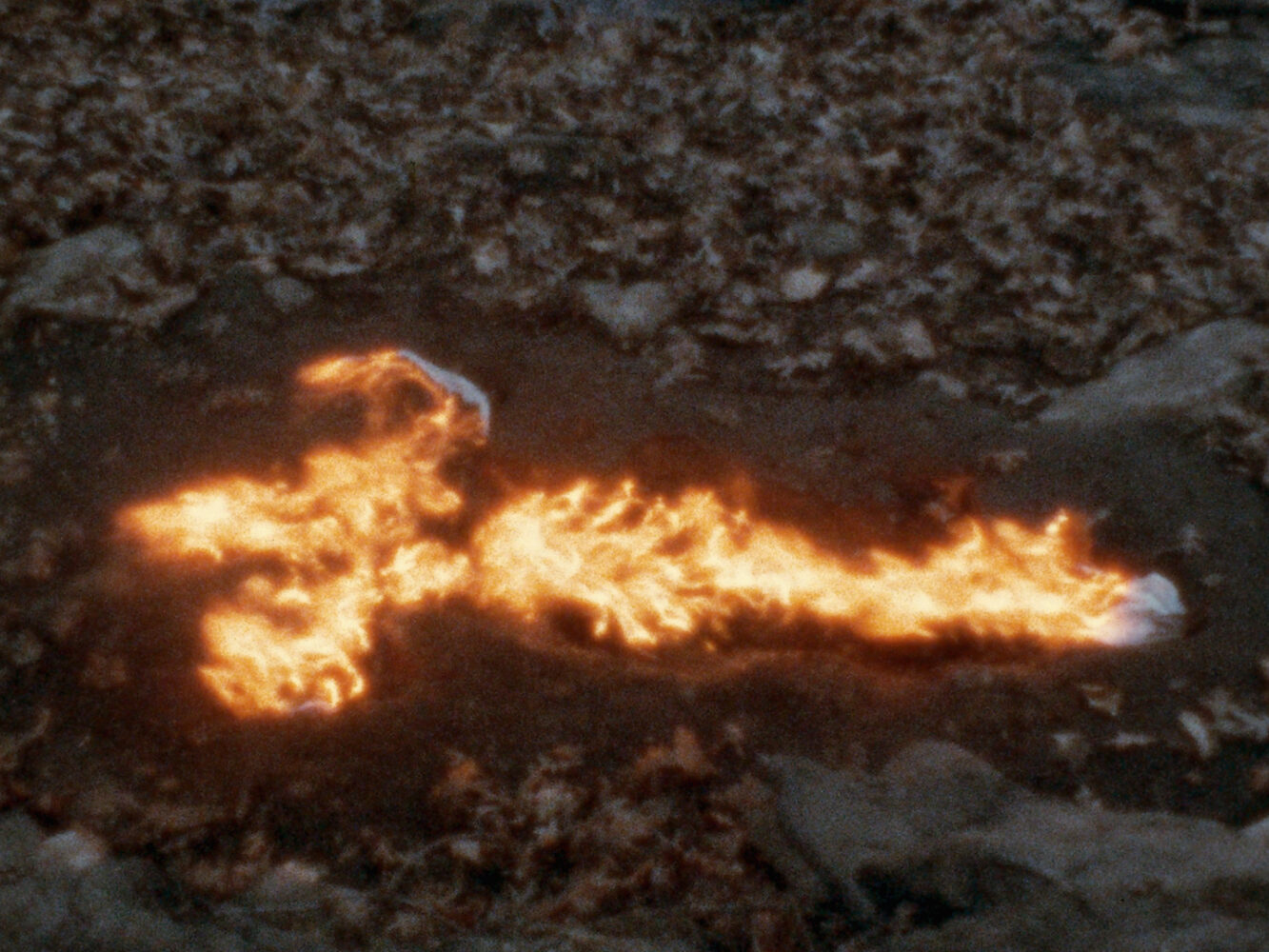
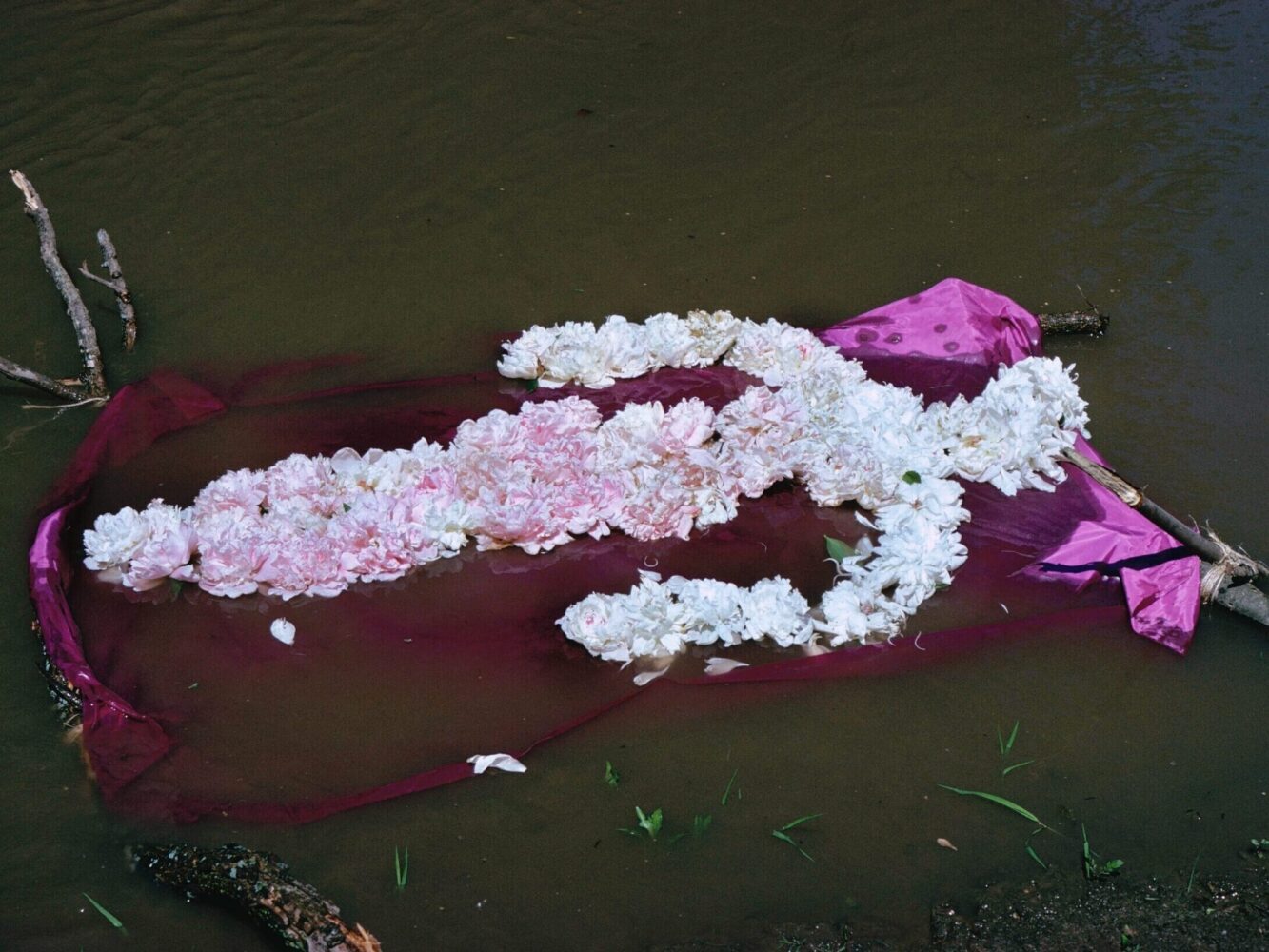
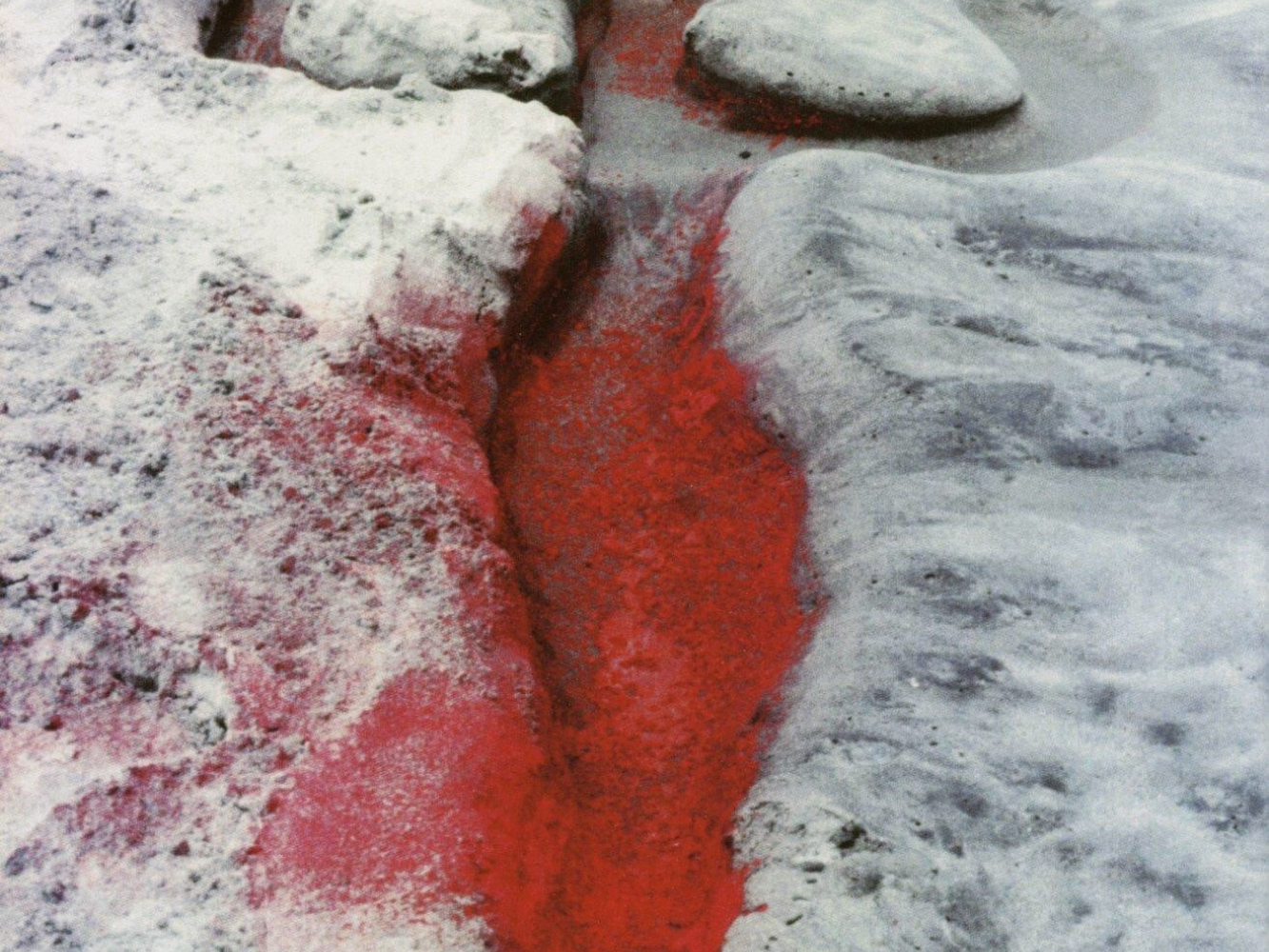
Mendieta is best known for her now iconic ‘earth-body’ works, in which she used her body, and later the absence of her body, in landscape. By inscribing her shape into varied topographies, with organic materials including soil, fire, flowers, feathers and blood, she subtly merged a place with its history. Her work explores the extremities of experience and expression, as she said in 1982: ‘I have thrown myself into the very elements that produced me, using the earth as my canvas and my soul as my tools’.
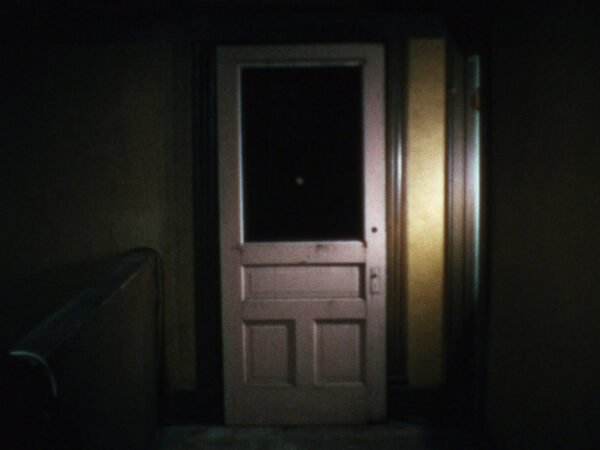
The desire to connect with nature was informed by her early experience of displacement. Born in Havana, Cuba, in 1948, when the artist was 12 she and her sister were separated from their brother and parents after Fidel Castro came to power and exiled to Iowa, US. Mendieta went on to study art at the University of Iowa from 1969, first as a painter, and then in the MFA Intermedia programme under Hans Breder (1935-2017), who taught a radically interdisciplinary approach to artmaking. For eleven years, between 1966-1977, she worked in Iowa, and developed her first performance works, including Door Piece (1973), Moffit Building Piece (1973) Blood Writing (1974), employing a Super 8 camera to document her activations on campus.
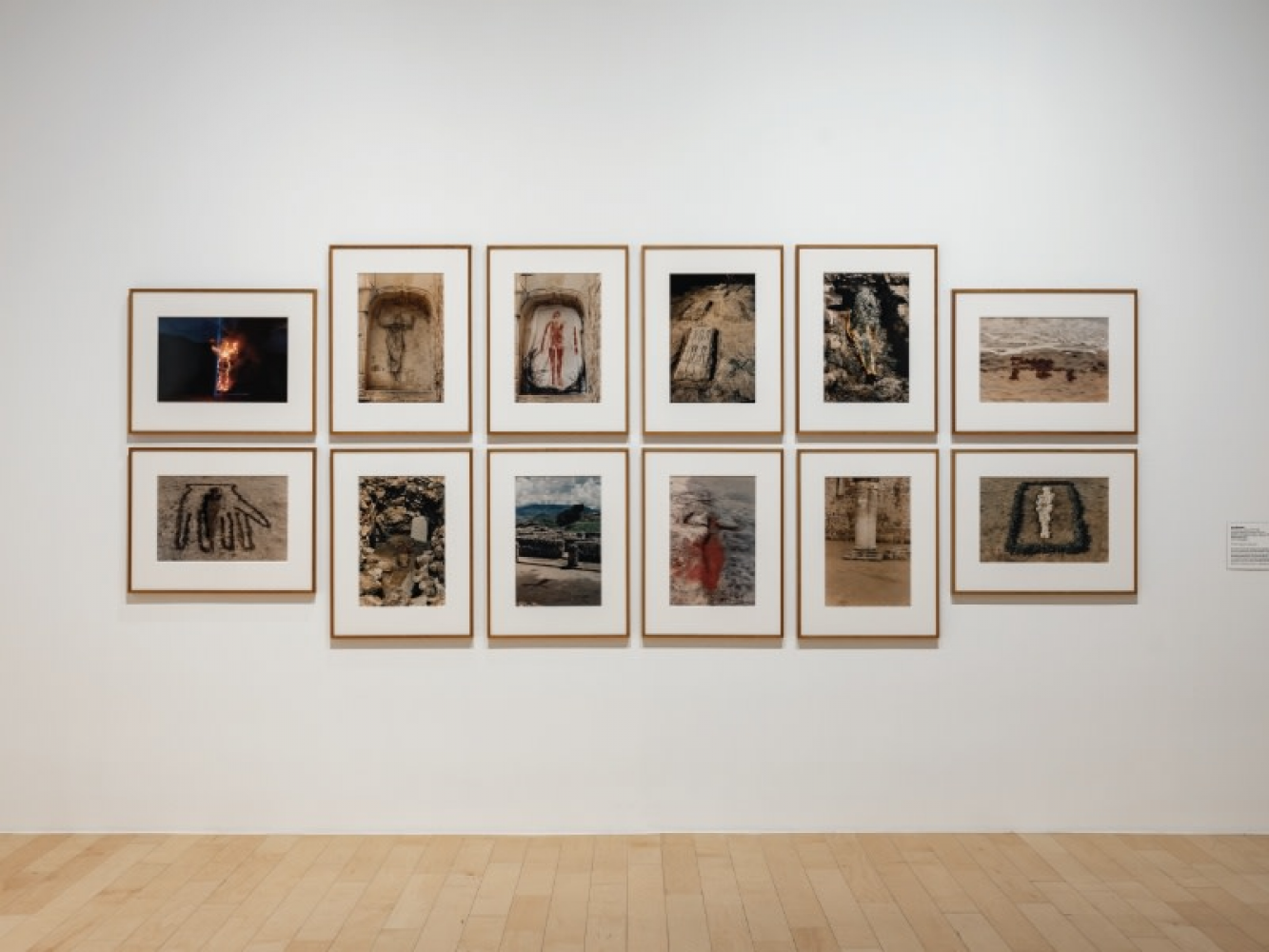
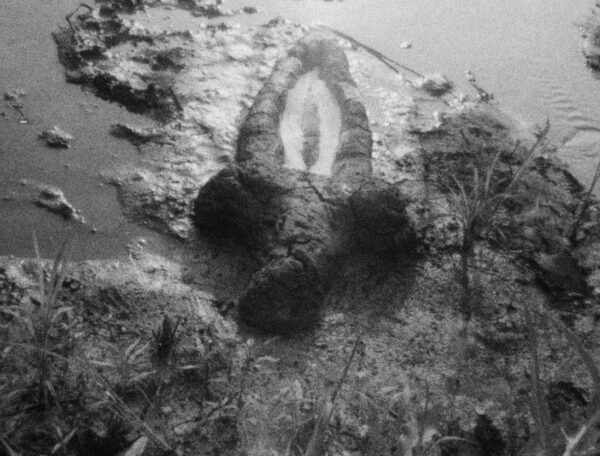
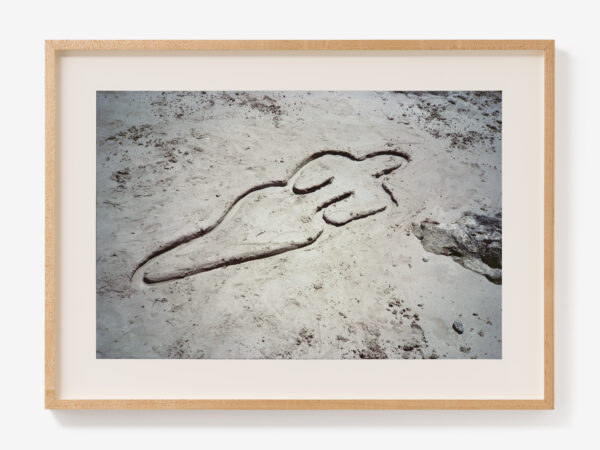
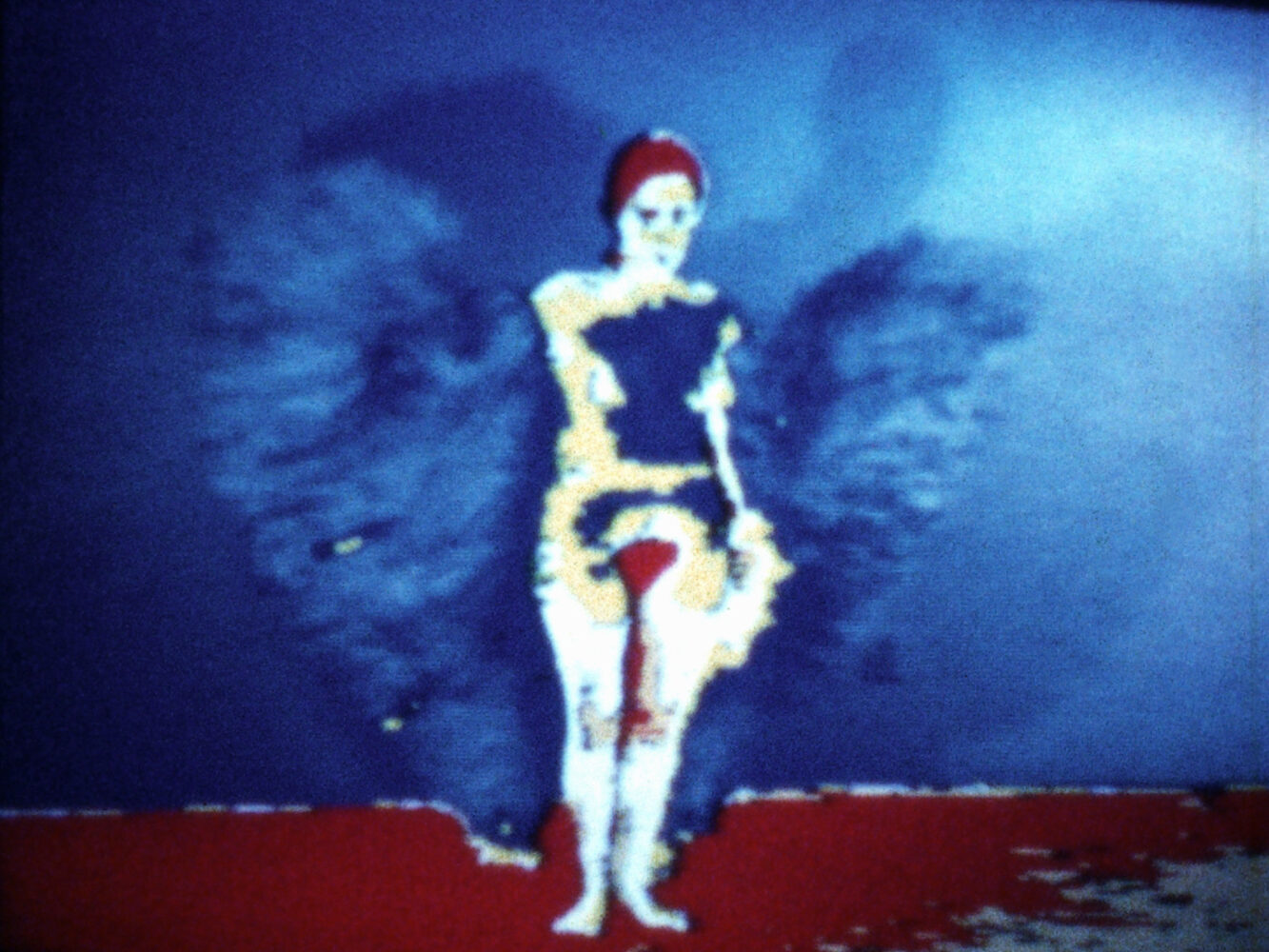
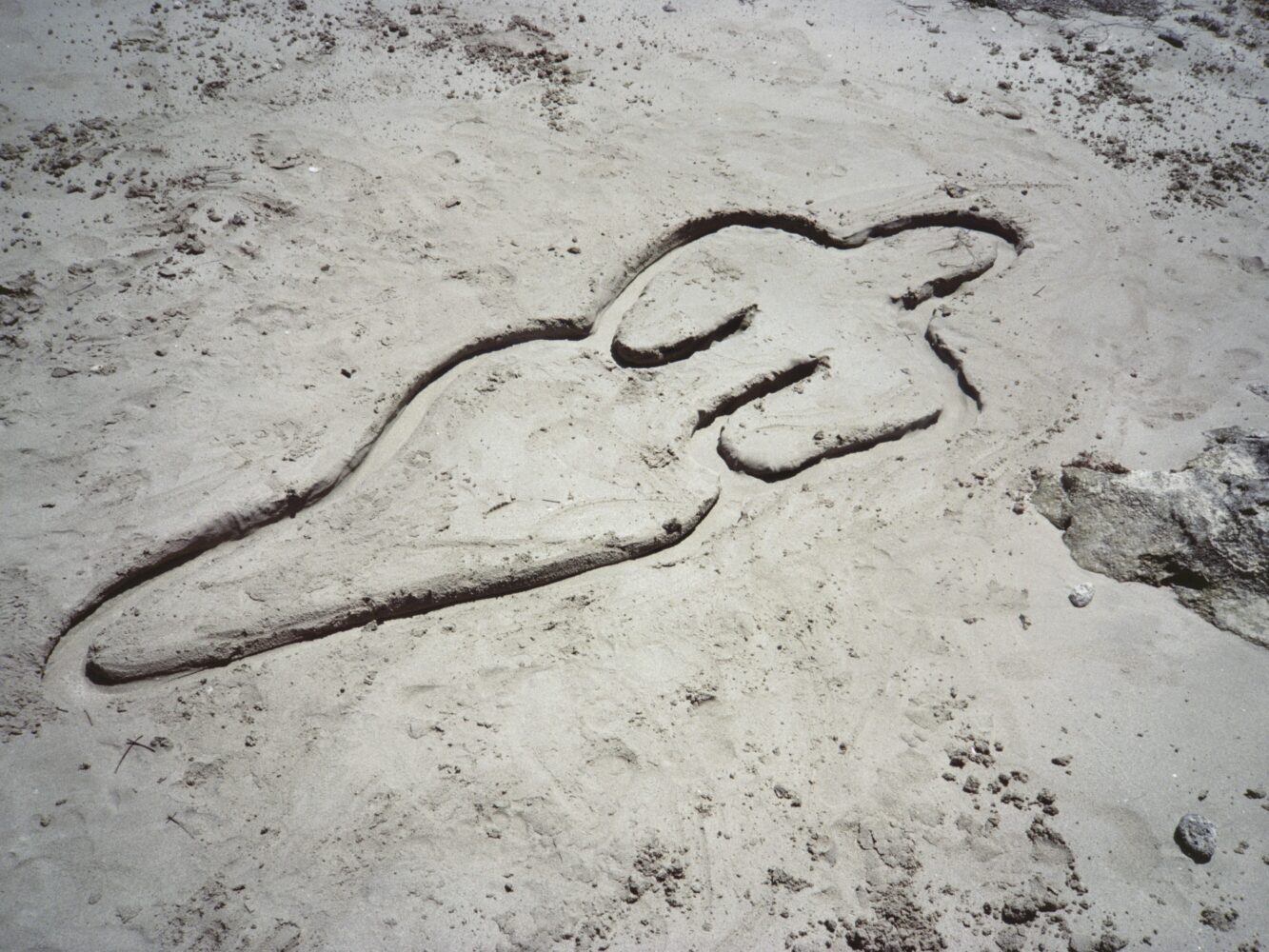
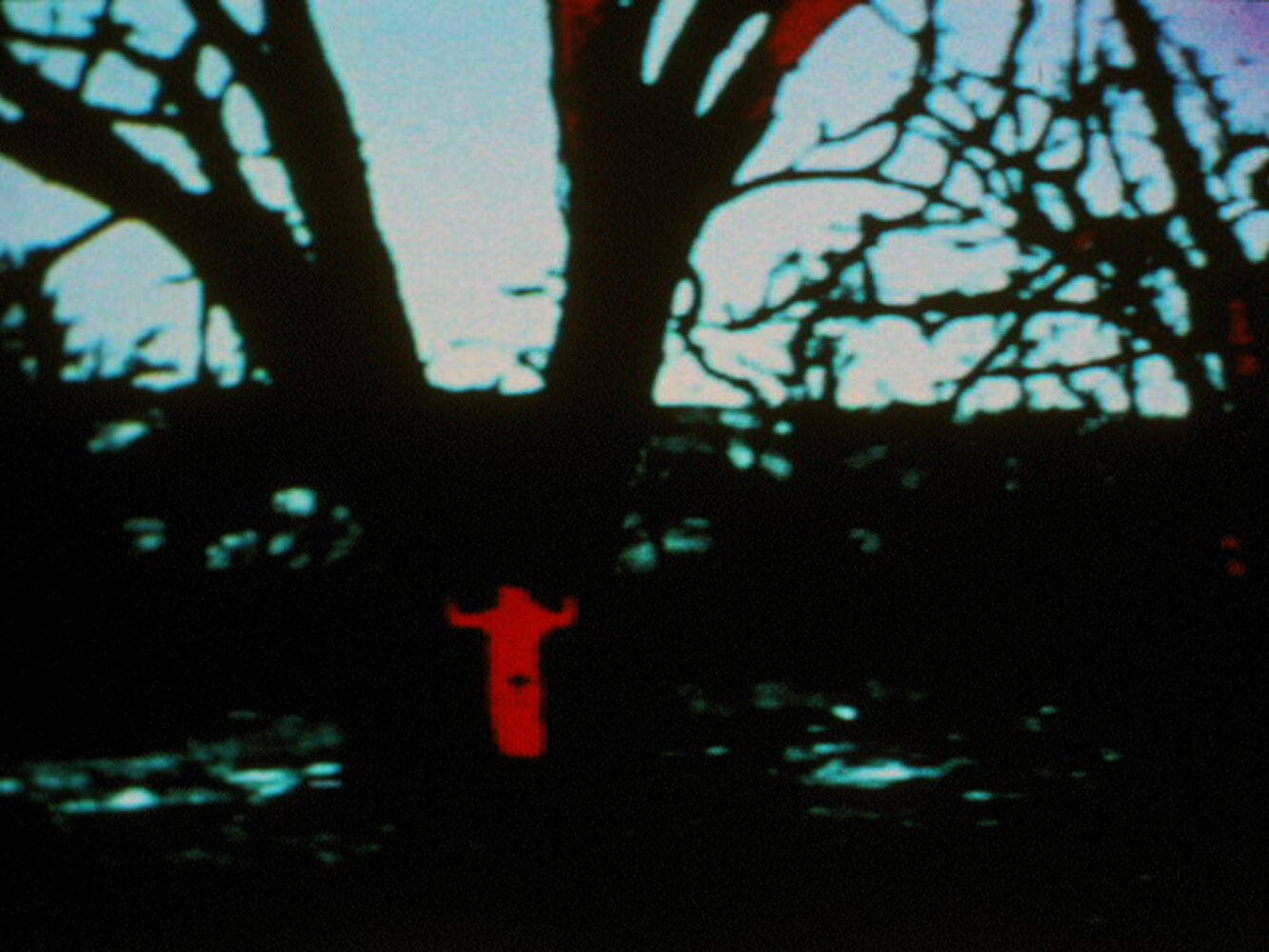
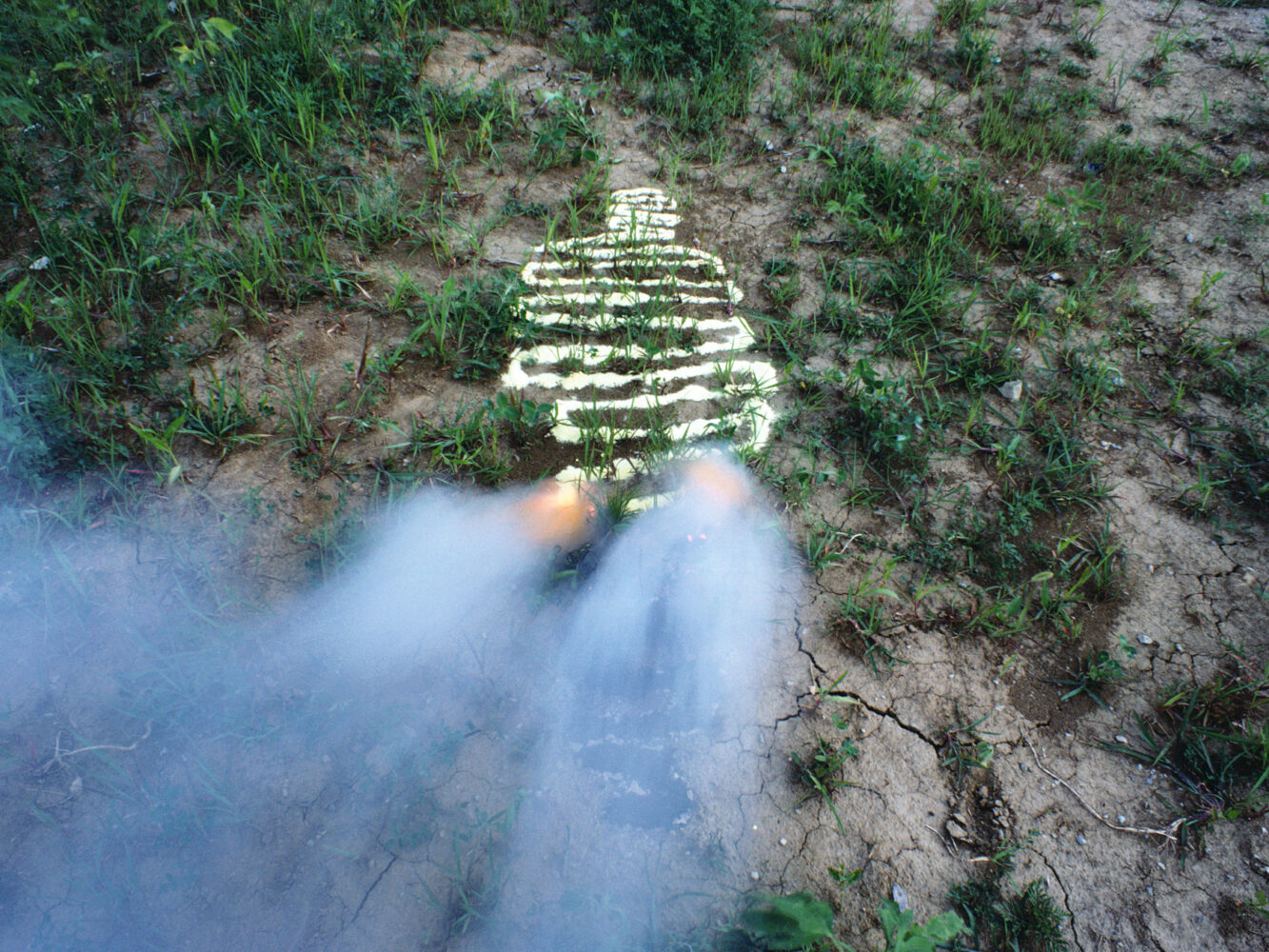
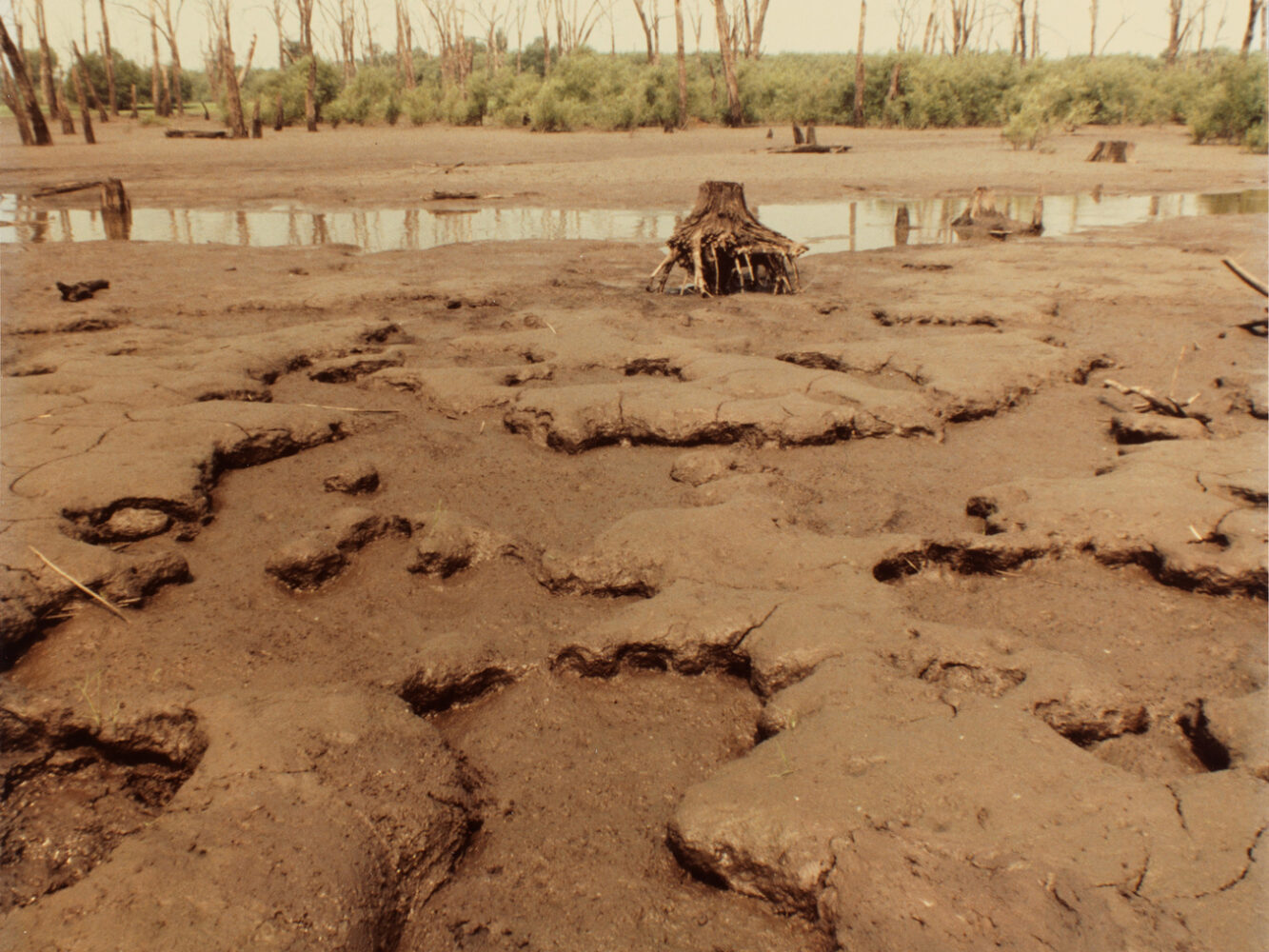
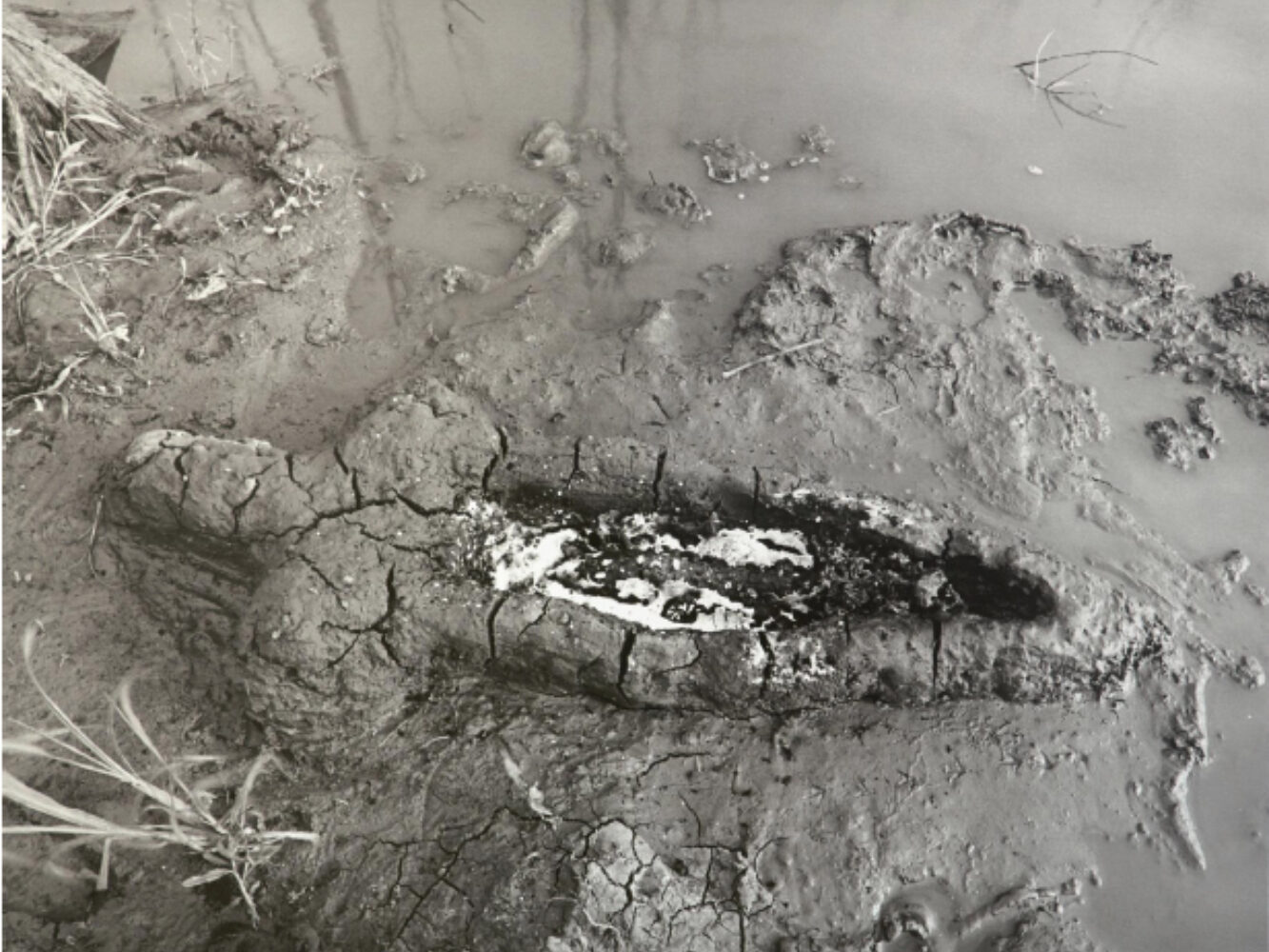
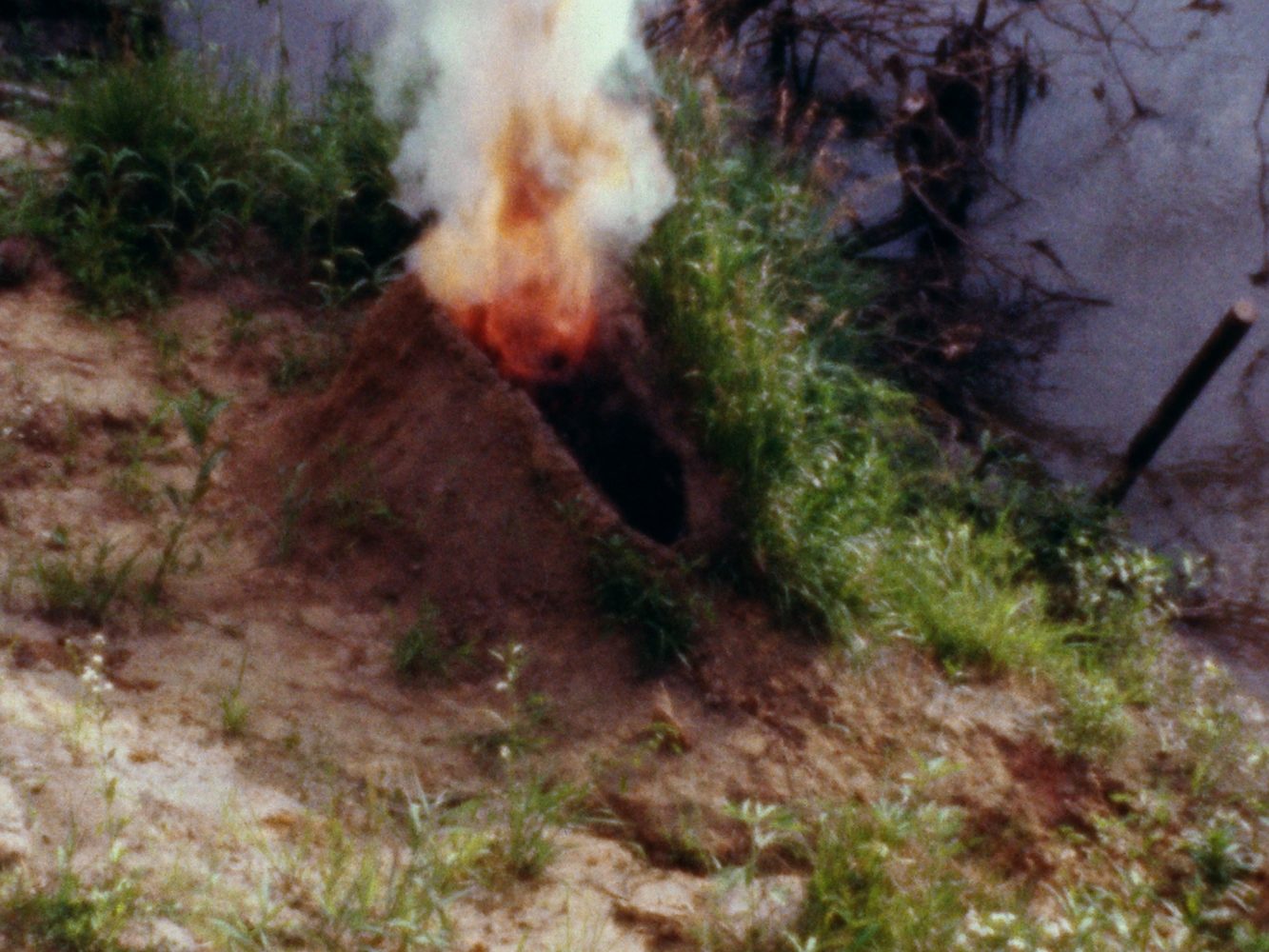
During this time, Mendieta began her Silueta Series (1973-80), which spans 200 works: a testament to her passionate engagement with the nature of place. ‘These obsessive acts of reasserting my ties with the earth is really a manifestation of my thirst for being. In essence my works are the reactivation of primeval beliefs.’ Describing the products of these acts in 1983, Mendieta articulated: ‘The photographs become the afterimage of primordial remembrances at work within the human psyche.’ Imbued such psychic, symbolic and social meaning, her impressions – burnt, carved and moulded on grass, sand, mud and sky – present an ongoing dialogue between the landscape and the body, as she observes,‘I believe this has been a direct result of my having been torn from my homeland (Cuba) during my adolescence.’ Eroding boundaries between elements, her work offers a restorative reprieve that nonetheless evokes absence, and longing.
Mendieta relocated to New York City 1978, to expand her practice and career. There, she became involved in the circle of activist artists at the A.I.R Gallery, the first not-for-profit, artist-directed gallery for women artists in the US, alongside leading feminist artists Nancy Spero, Mary Beth Edelson, and Carolee Schneeman. Despite her participation in the downtown New York scene, she defied its definitions: ‘my works do not belong to the Modernist tradition…nor is it akin to the commercial-historically-self-conscious assertions of what is called post-modernism.’ Overlaying contemporary ideas of Conceptual art, Minimalism and feminism with historical gestures rooted in the past, Mendieta’s work engaged with a particular art historical moment, while refusing to be contained by any single genre, category or movement.
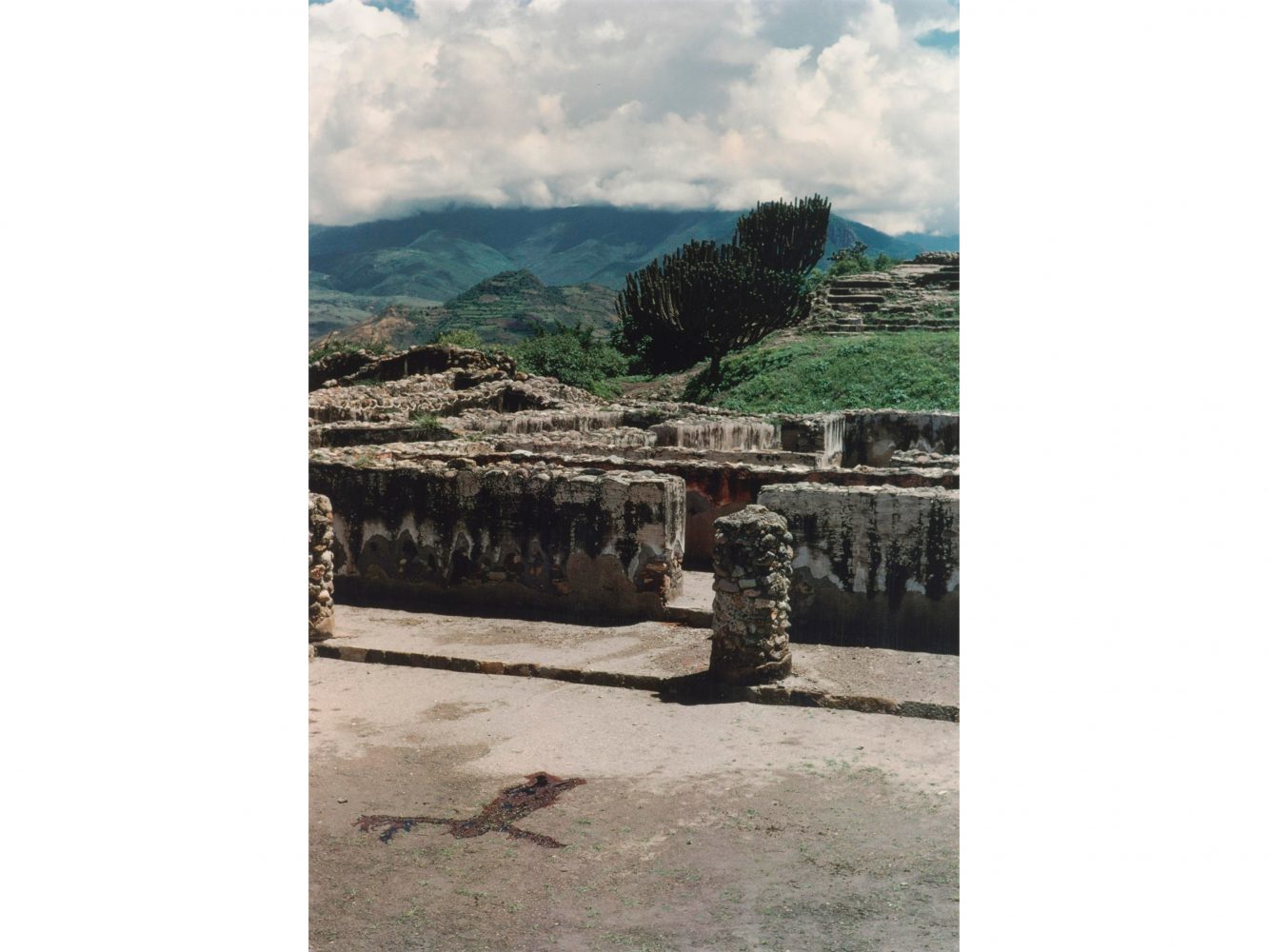
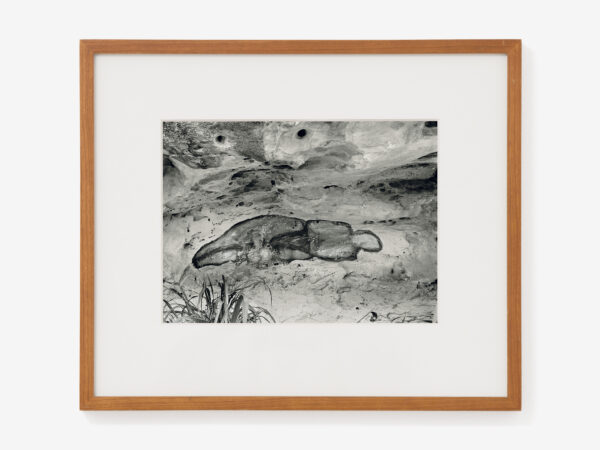
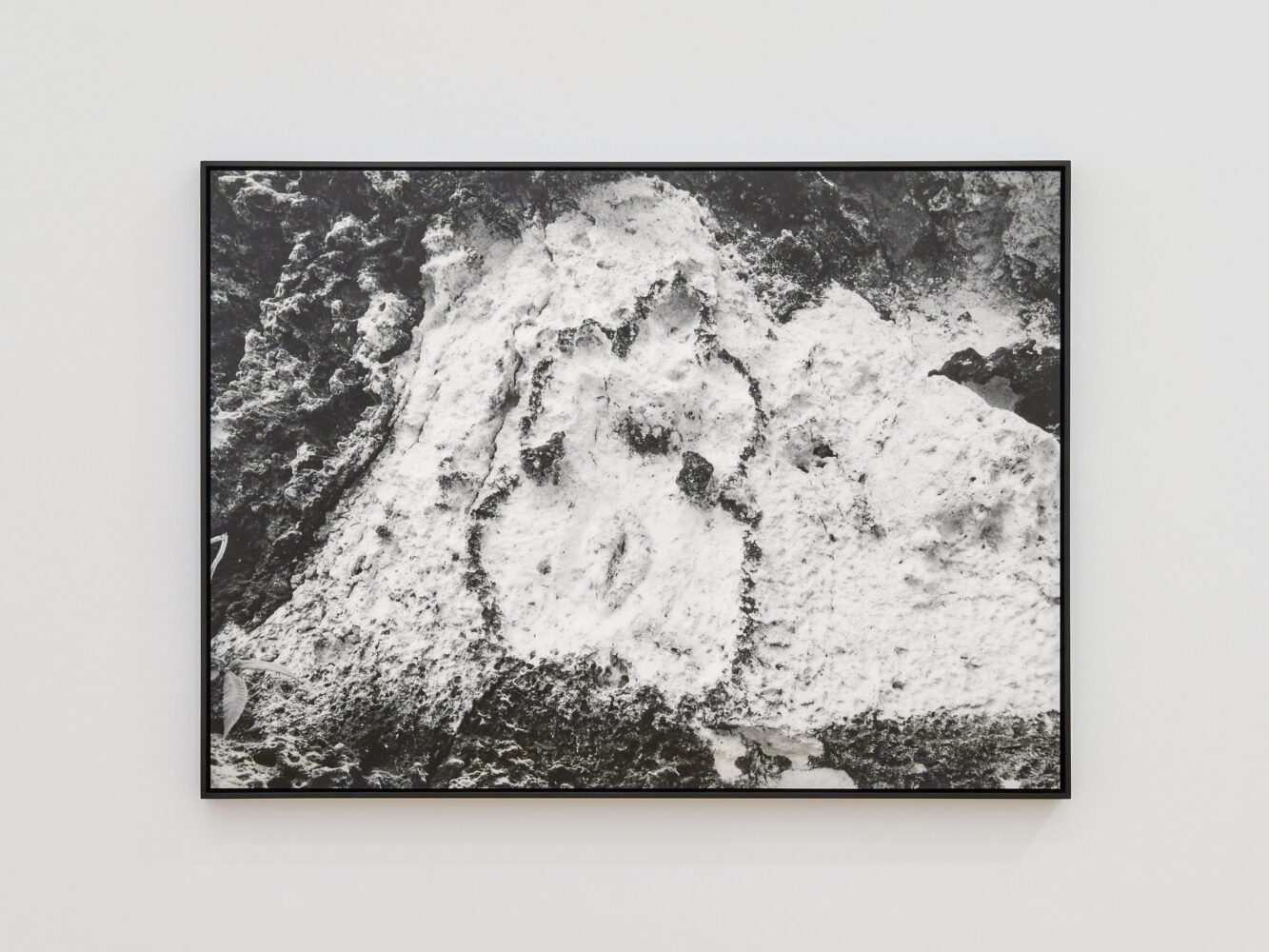
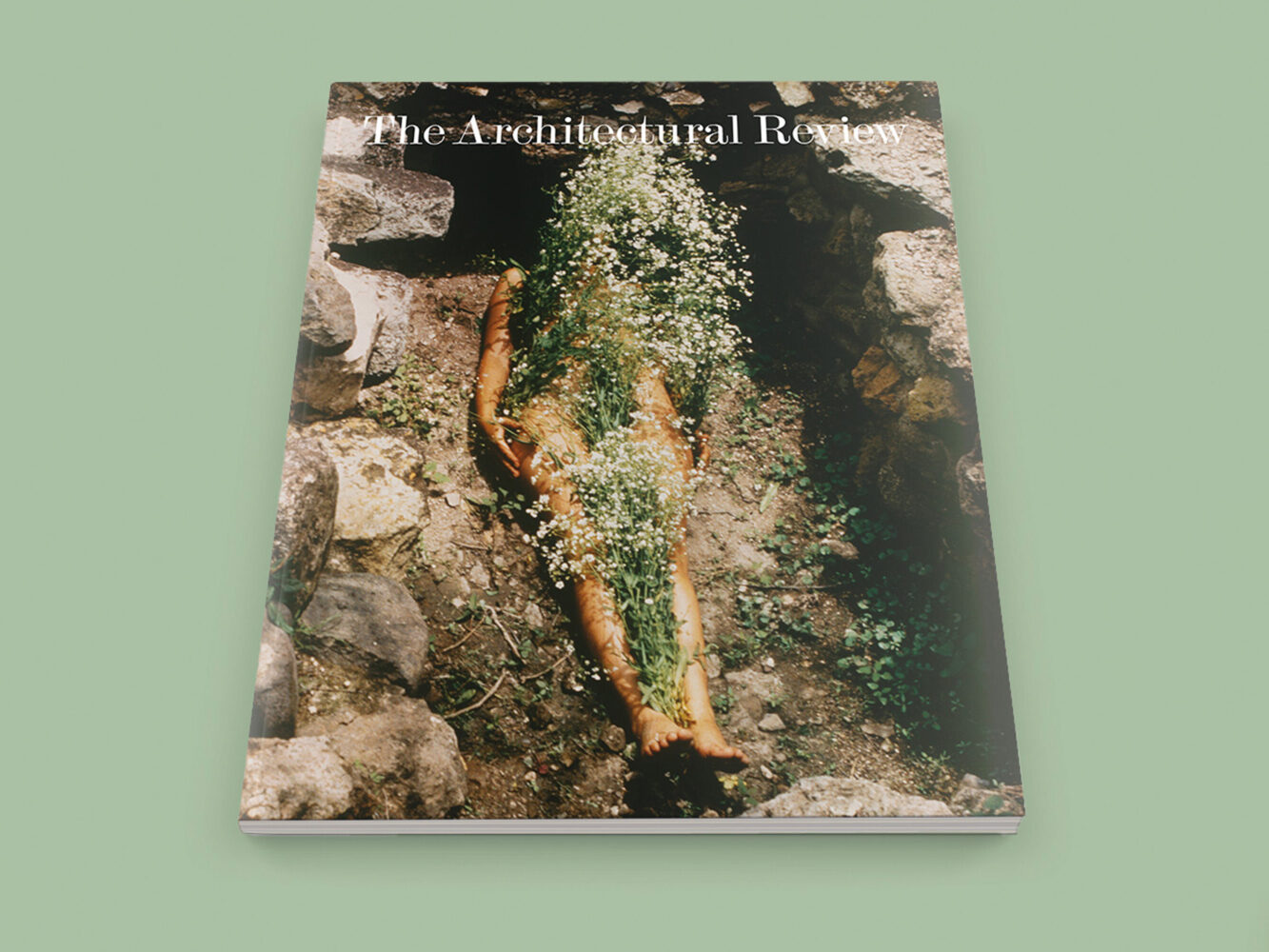
On a trip to Mexico in 1973, her first time in the region since childhood, Mendieta described the experience as ‘going back to the source, being able to get some magic just by being there’. Finally, in 1980 after 32 years, she returned to Cuba, where she created various works that re-established her connection to her country and ancestral home. In Cuba, Mendieta demonstrated a profound kinship to Neolithic heritage in her Esculturas Rupestres (Rupestrian Sculptures), large-scale works that were aptly carved directly into the walls of the limestone caves of Jaruco Park, a location known for its pre-colonial elements and as a site for political opposition. She often covered her body in organic materials as a form of burial, in a manner redolent of architectural ruin, as writer and curator Howard Oransky observed, ‘giving a physical shape to time’.
In 1983, she won the prestigious Prix de Rome fellowship at the American Academy in Rome. After over a decade working exclusively in nature, in Rome Mendieta began to focus on studio-based sculpture, allowing her to experiment with natural yet durable materials. She received many prestigious awards in her lifetime, including a National Endowment for the Arts Grant (1977 and 1980) and Fellowship (1982); Creative Arts Program Services Grant, New York Foundation for the Arts (1979); John Simon Guggenheim Foundation Fellowship (1980); New York State Council on the Arts Grant (1982); Rome Prize, American Academy in Rome (1983); Award in the Visual Arts, Southeastern Center for Contemporary Art (SECCA), Winston-Salem, North Carolina (1984). A Visual Arts Lifetime Achievement Award was posthumously bestowed by The Cintas Foundation, New York in 2009.
Works





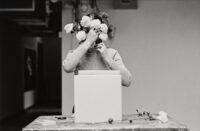






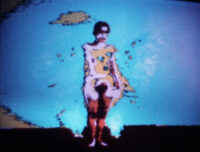
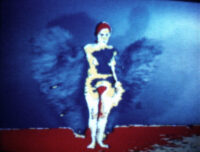
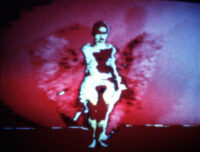


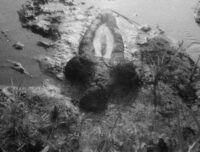
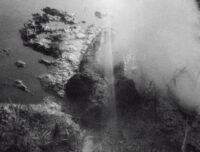
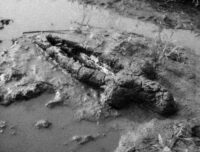


-
![]() Untitled (Grass on Woman), 1972
Untitled (Grass on Woman), 1972 -
![]() Untitled (Chicken Piece), 1972
Untitled (Chicken Piece), 1972 -
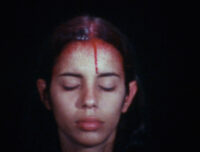
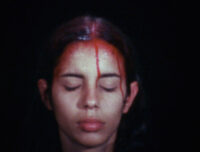
![]() Sweating Blood, 1973
Sweating Blood, 1973 -
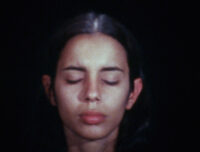
![]() Untitled, 1973
Untitled, 1973 -
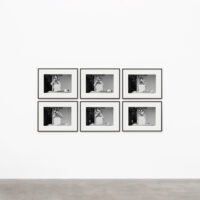
![]() Door Piece, 1973
Door Piece, 1973 -
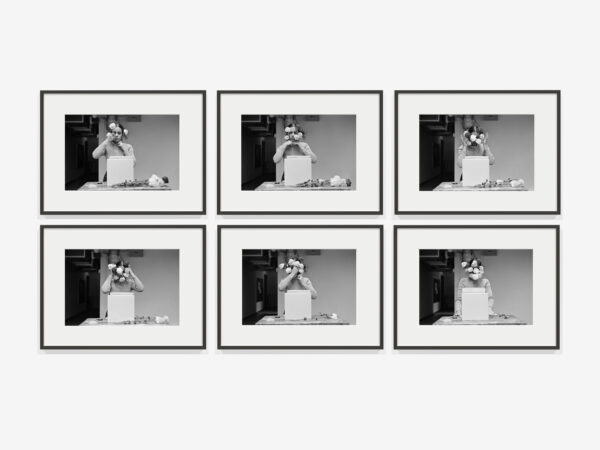
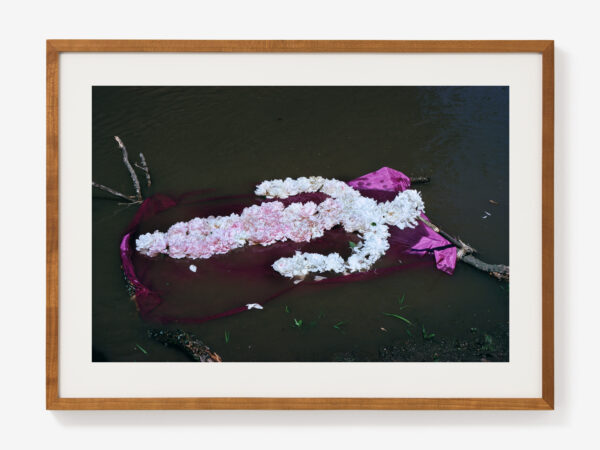
![]() Flower Person, Flower Body, 1975
Flower Person, Flower Body, 1975 -
![]() Butterfly, 1975
Butterfly, 1975 -
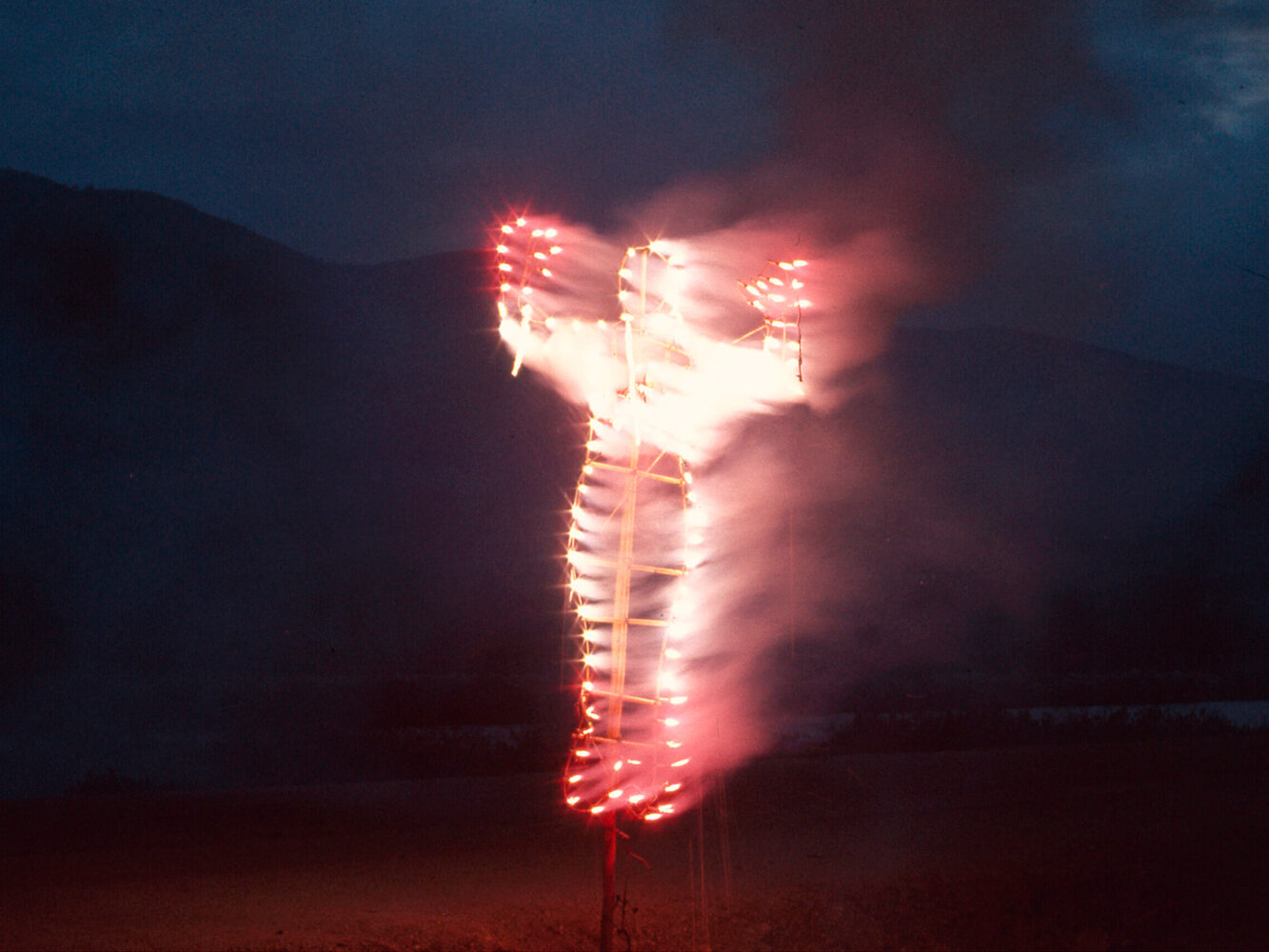
![]() Anima, Silueta de Cohetes (Firework Piece), 1976
Anima, Silueta de Cohetes (Firework Piece), 1976 -
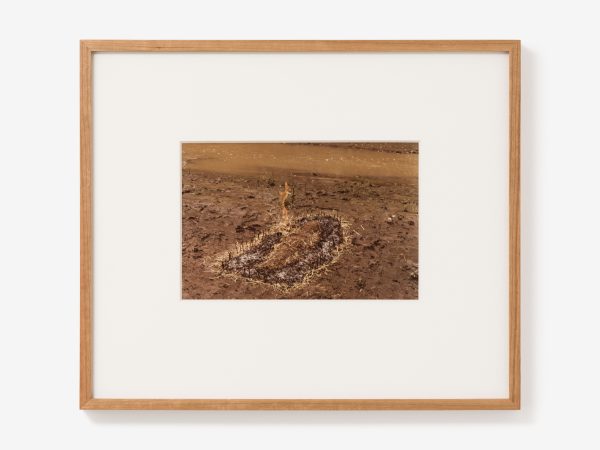
![]() Untitled: Silueta Series (Figure with Hay Burned), 1977
Untitled: Silueta Series (Figure with Hay Burned), 1977 -
![]() Silueta Series (Tree of Life Series), 1978
Silueta Series (Tree of Life Series), 1978 -
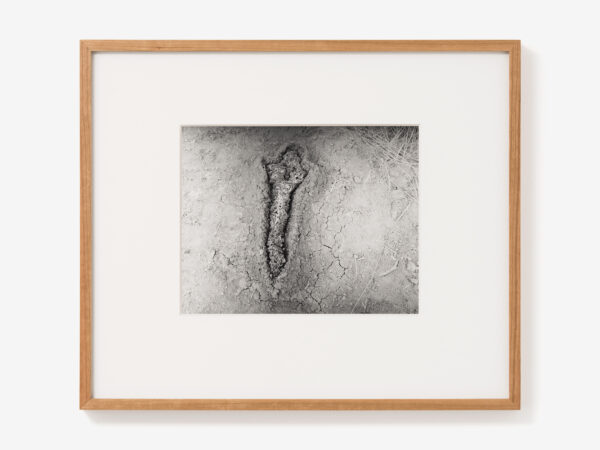
![]() Untitled (Silueta Series), c. 1978
Untitled (Silueta Series), c. 1978 -
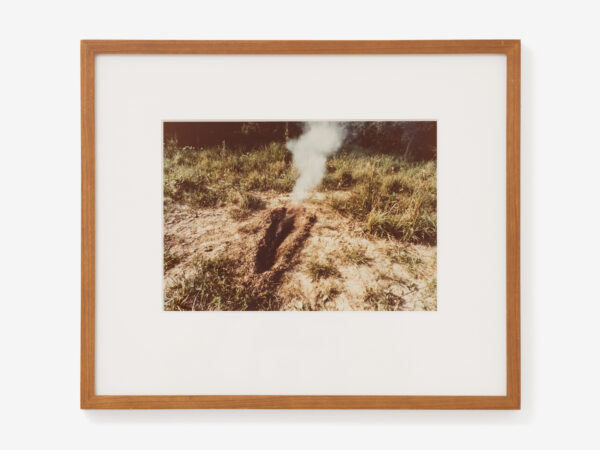
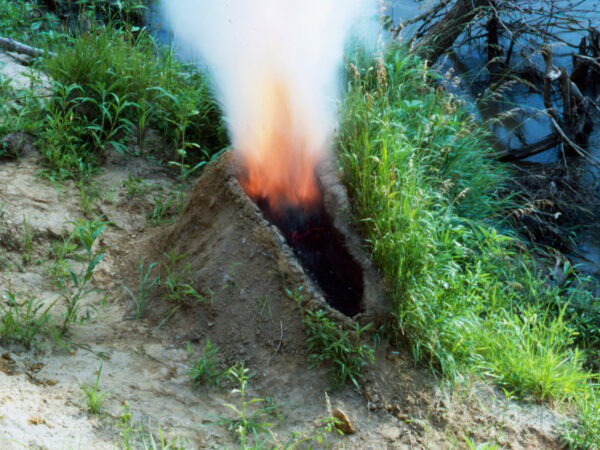
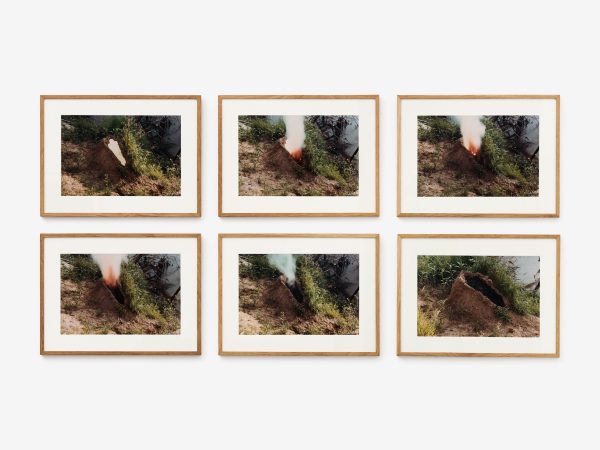
![]() Volcán, 1979
Volcán, 1979 -
![]() Volcán, 1979
Volcán, 1979 -
![]() Gunpowder Silueta (Fundamento Palo Monte), 1980
Gunpowder Silueta (Fundamento Palo Monte), 1980 -
![]() La Venus Negra (The Black Venus), 1981
La Venus Negra (The Black Venus), 1981 -
![]() Birth (Gunpowder Works), 1981
Birth (Gunpowder Works), 1981 -
![]() Untitled, 1981
Untitled, 1981 -
![]() Untitled, c.1981–84
Untitled, c.1981–84 -
![]() Untitled, c.1983–84
Untitled, c.1983–84 -
![]() Untitled, c.1984–85
Untitled, c.1984–85





Press










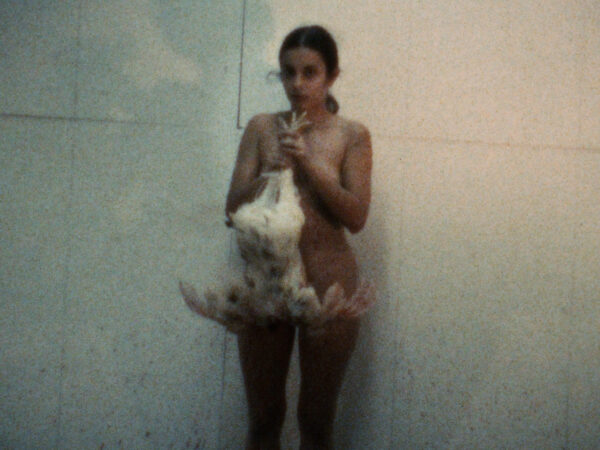
UI alum and icon Ana Mendieta is the focus of a new London art exhibition, joining a Frida Kahlo show with Iowa connections
July 2026











Tate Modern’s first exhibition dedicated to Ana Mendieta celebrates her sensual engagement with the natural world
July 2026

The tragic death of Ana Mendieta divided the New York art scene, but the Tate reclaims her life’s work this summer
July 2026

Ana Mendieta review – were she still alive she’d be at the forefront of art in this century
July 2026




‘I thought of her as a volcano’: the triumphant art and very troubling death of Ana Mendieta
July 2026




















Exhibitions
Books

News
ANA MENDIETA
INCLUDED IN ‘SLOW BURN’, FINE ARTS GALLERY, SAN FRANCISCO STATE UNIVERSITY, SAN FRANCISCO, US

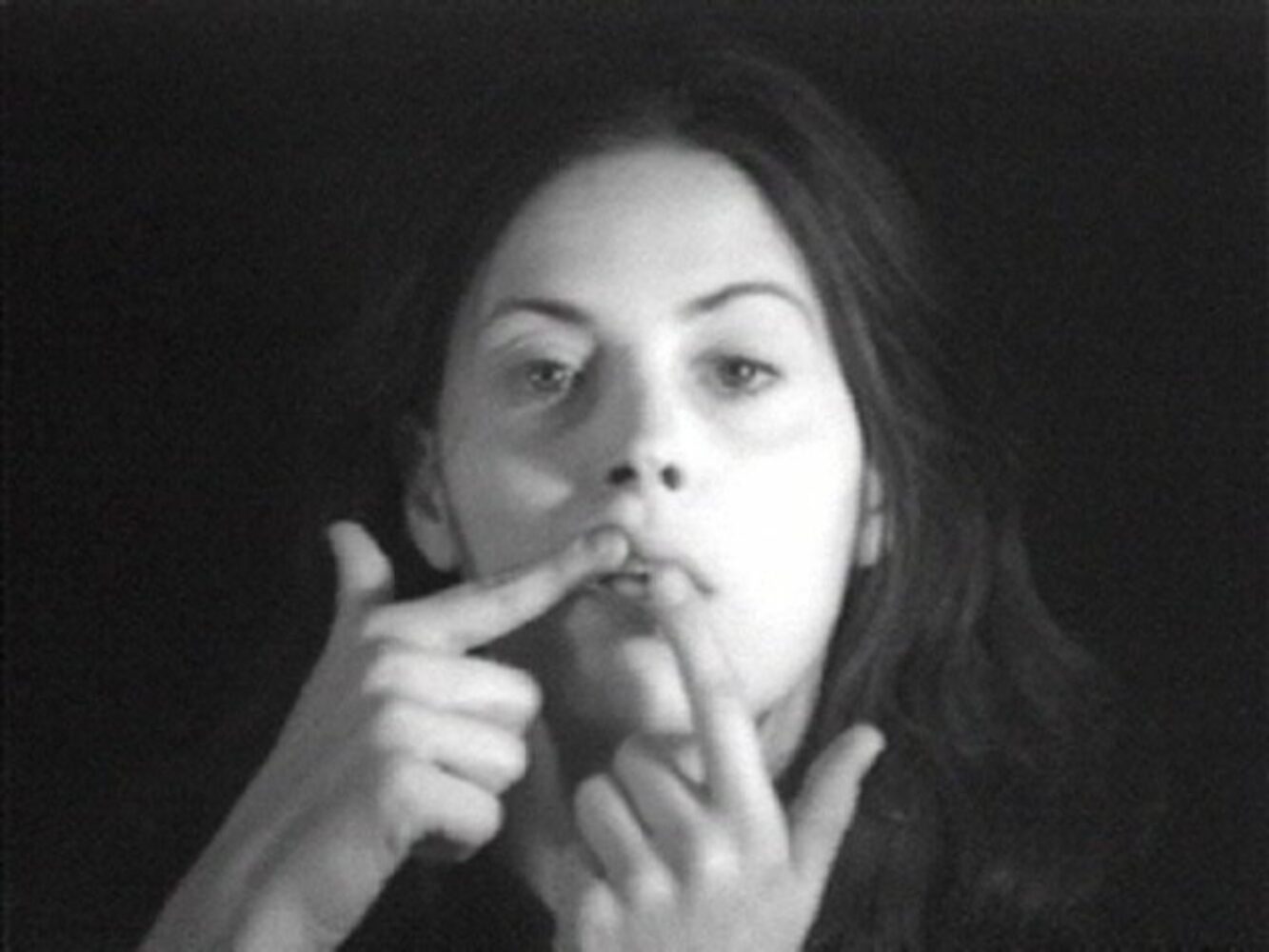
Ana Mendieta & Hannah Wilke
INCLUDED IN ‘BODY. IDEAL, GAZE, FREEDOM’, GOTHENBURG MUSEUM OF ART: UNTIL 17 JANUARY 2027
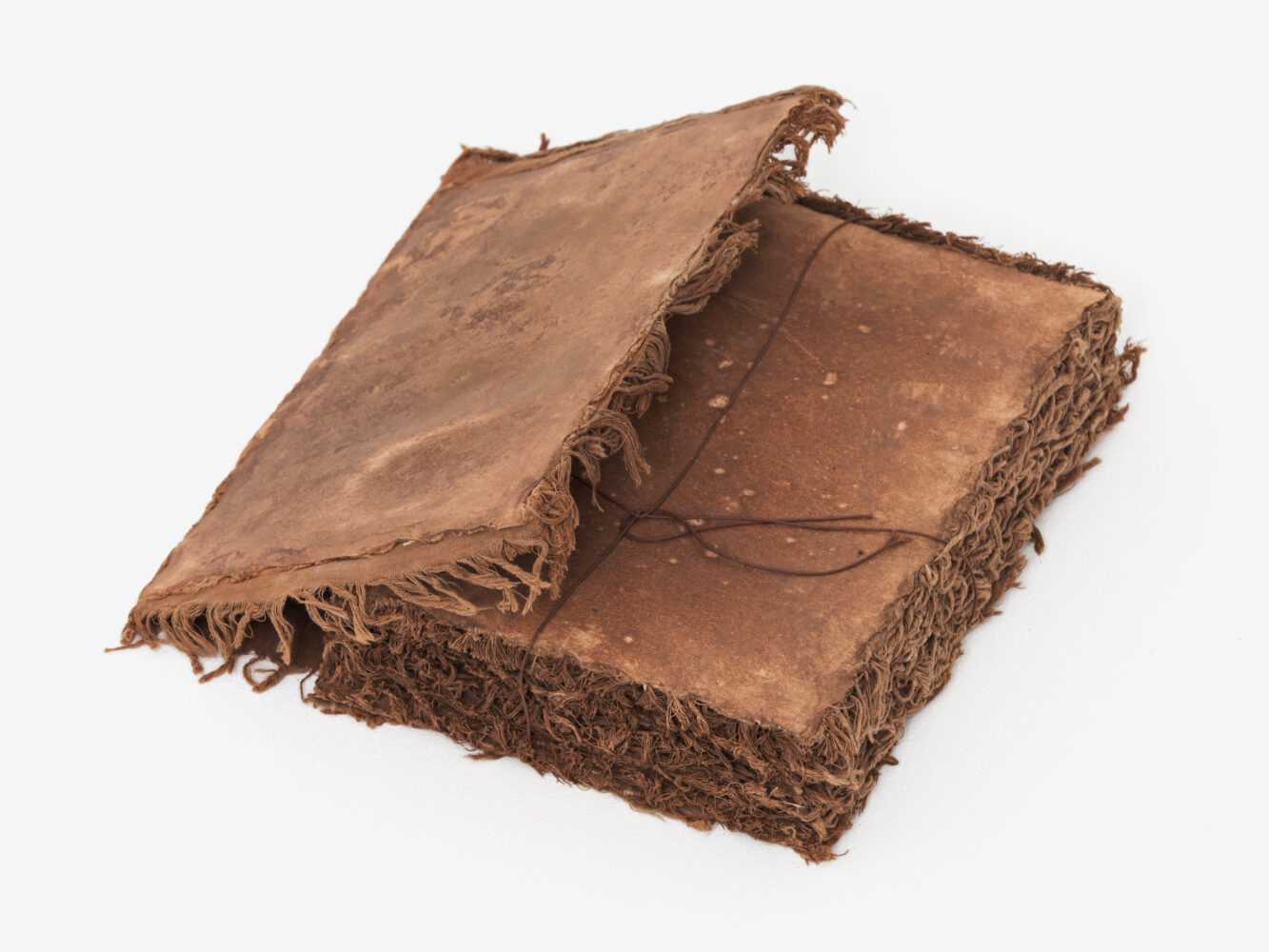
Ana Mendieta & Michelle Stuart
‘LUCY R. LIPPARD: NOTES FROM THE RADICAL WHIRLWIND’, NEW MEXICO MUSEUM OF ART
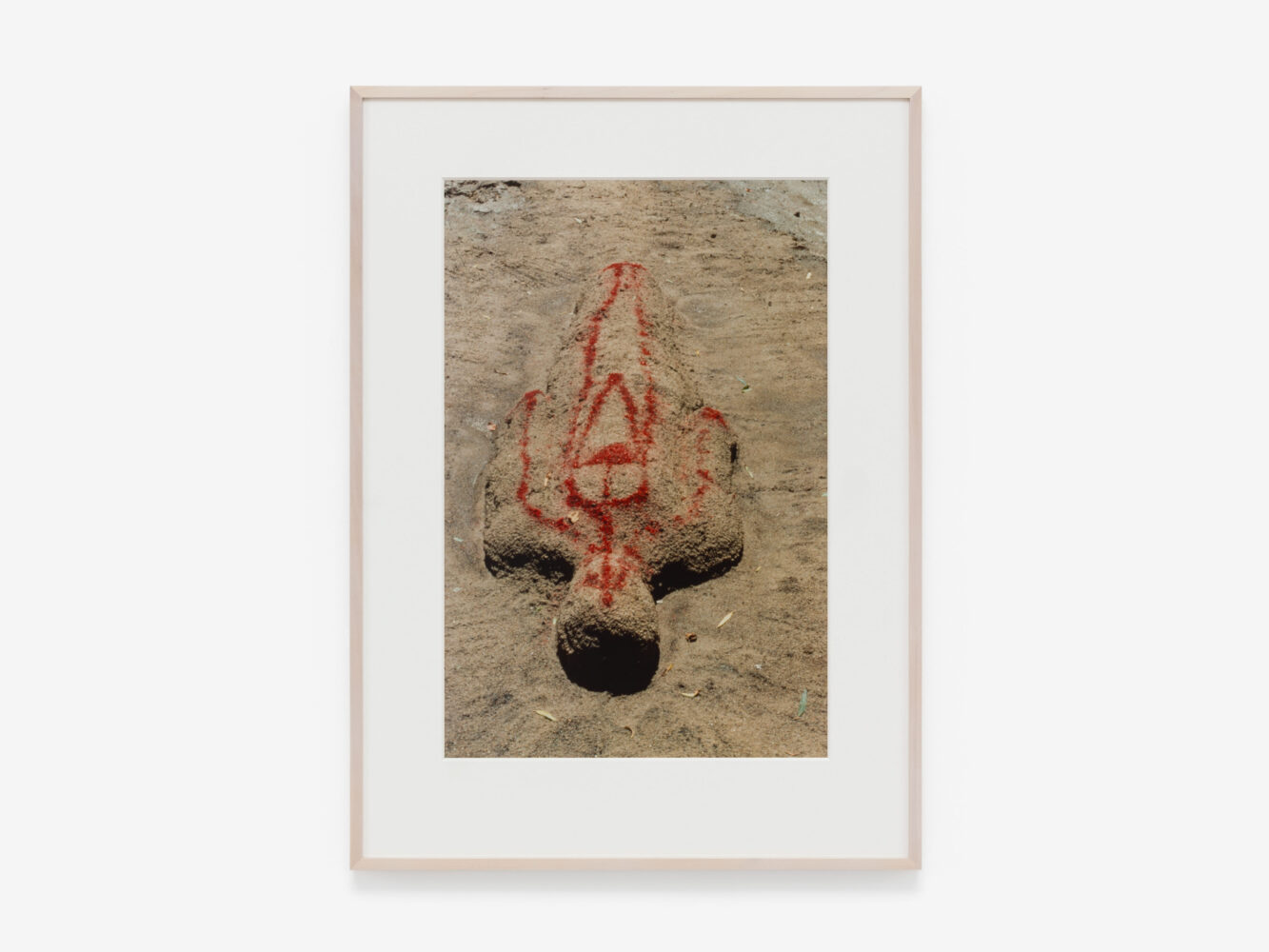
Ana Mendieta
‘SEVERAL ETERNITIES IN A DAY: FORMS IN THE AGE OF LIVING MATERIALS’, HAMMER MUSEUM, LOS ANGELES


Birgit Jürgenssen, Ana Mendieta & Dorothea Tanning
‘ANIMAL!? AN EXHIBITION OF MASTERPIECES’, FONDS HÉLÈNE & ÉDOUARD LECLERC POUR LA CULTURE, LANDERNEAU

Ana Mendieta
‘POETRY OF FIRE: CHROMATIC EXPERIMENTS IN THE FILMS OF ANA MENDIETA, DEREK JARMAN, AND P.STAFF’, FILM SCREENING, DISCUSSION, AND BOOK SIGNING

Ana Mendieta
in ‘EXAPNDING LANDSCAPES: PAINTING AFTER LAND ART’, ABBOTT HALL, LAKELAND ART, LAKE DISTRICT
Birgit Jürgenssen & Ana Mendieta
in ‘PLACE TO DREAM’, KUNSTEN MUSEUM OF MODERN ART AALBORG, DENMARK

Ana Mendieta
in ‘Earthshaker’, 3-person exhibition with Derek Jarman & P.Staff, Del Vaz Projects, Santa Monica, California

Birgit Jürgenssen, Ana Mendieta & Hannah Wilke
in ‘Vital Signs: Artists and the Body’, Museum of Modern Art, New York


Ana Mendieta
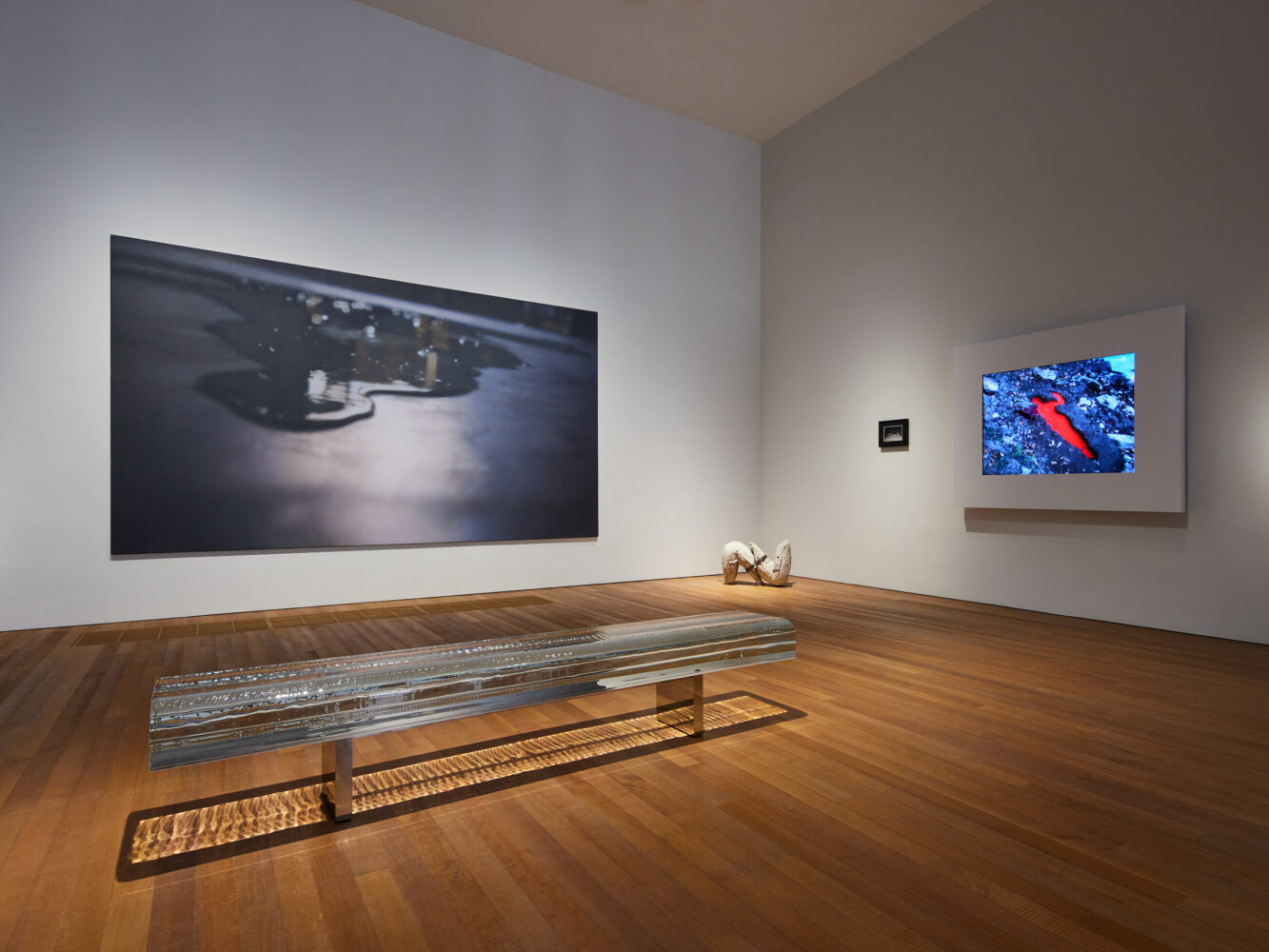
in ‘Mysterious Ways: Art, Faith and Transcendence’, The Glucksman, University College Cork
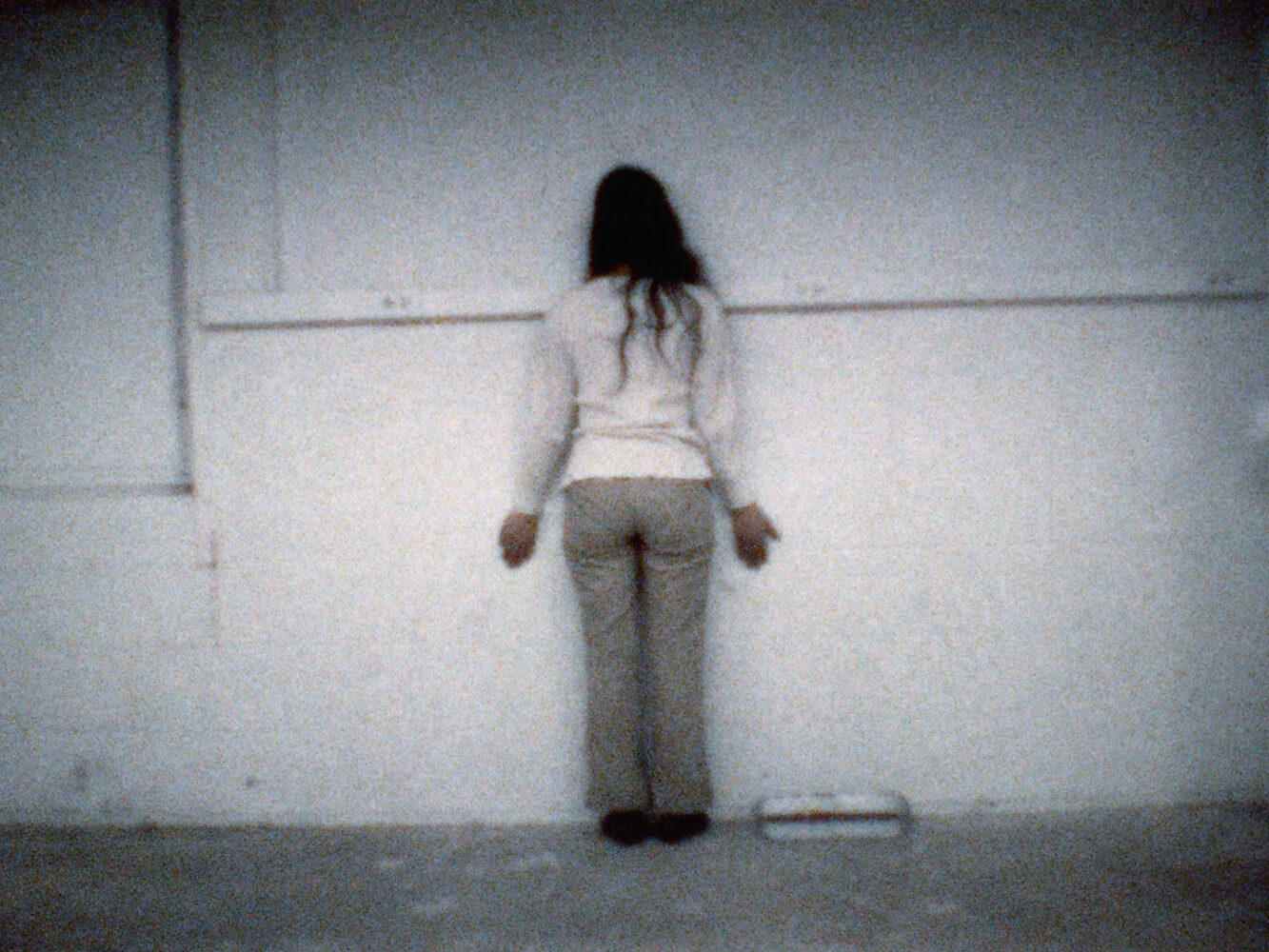


Ana Mendieta & Birgit Jürgenssen
in ‘The Irreplaceable Human – Conditions of Creativity in the Age of AI’ at the Louisiana Museum of Modern Art, Humlebæk
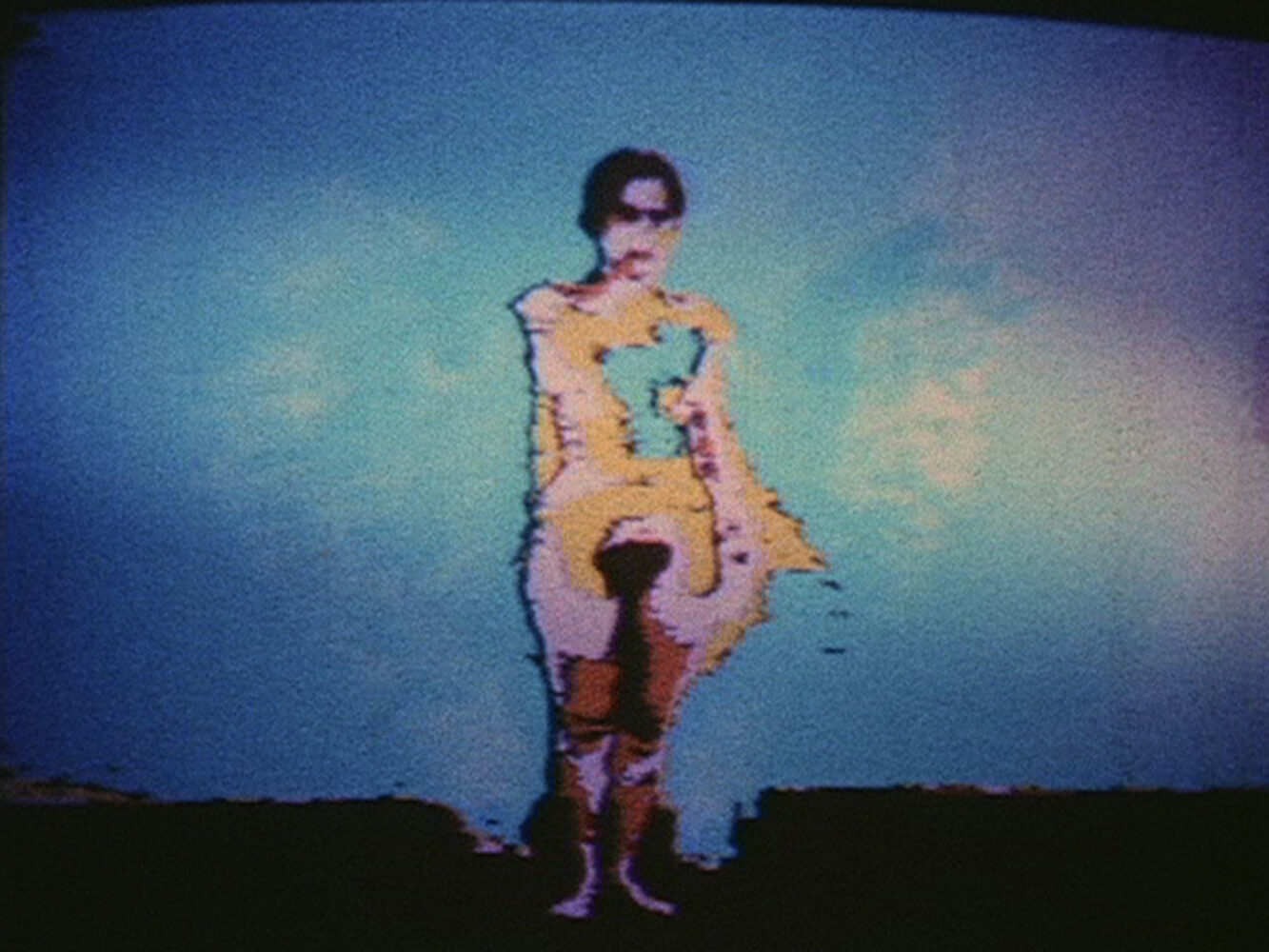
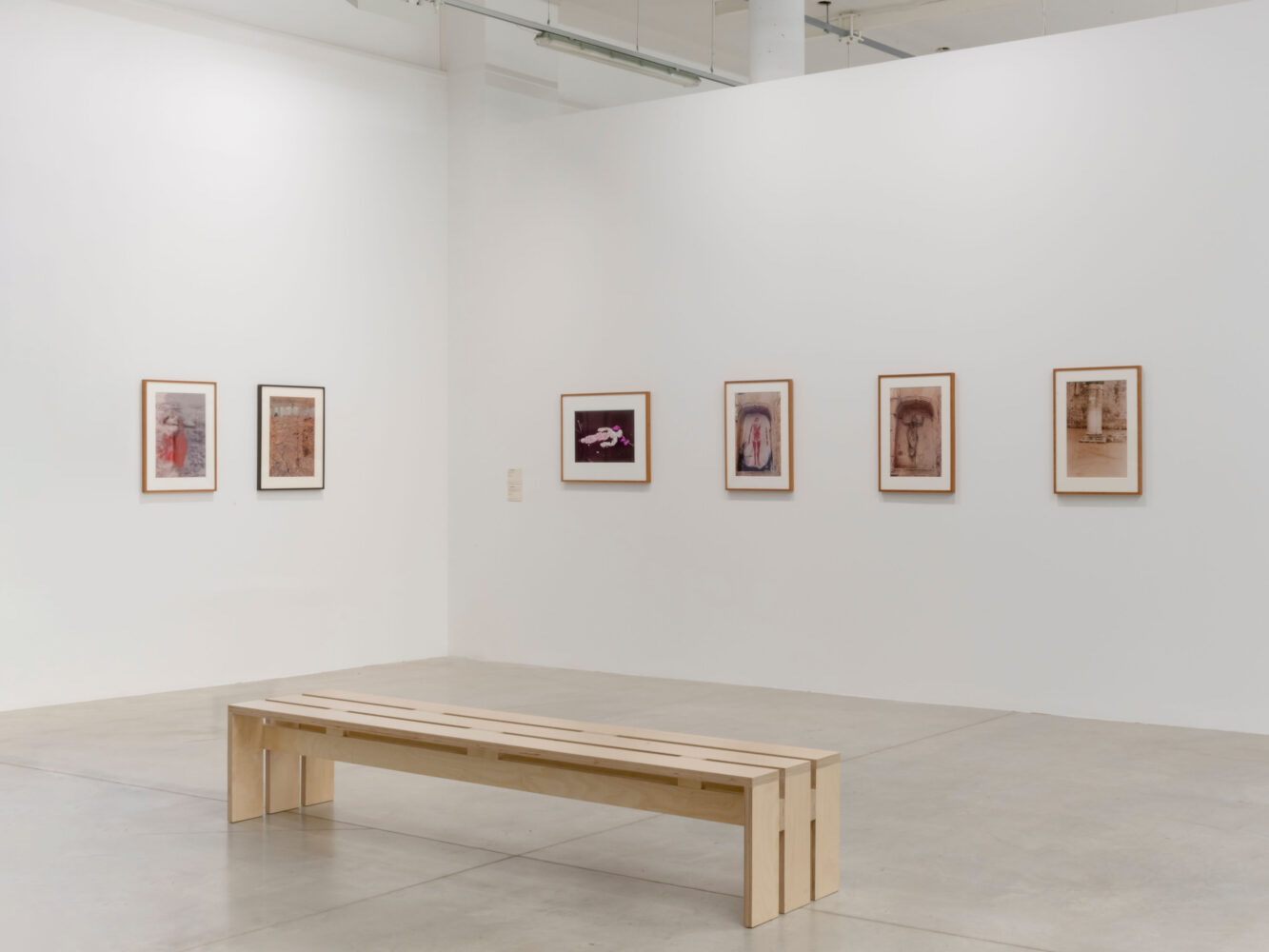

Ana Mendieta & Lygia Clark
in ‘Action, Gesture, Performance: Feminism, the Body and Abstraction’, Whitechapel Gallery, London
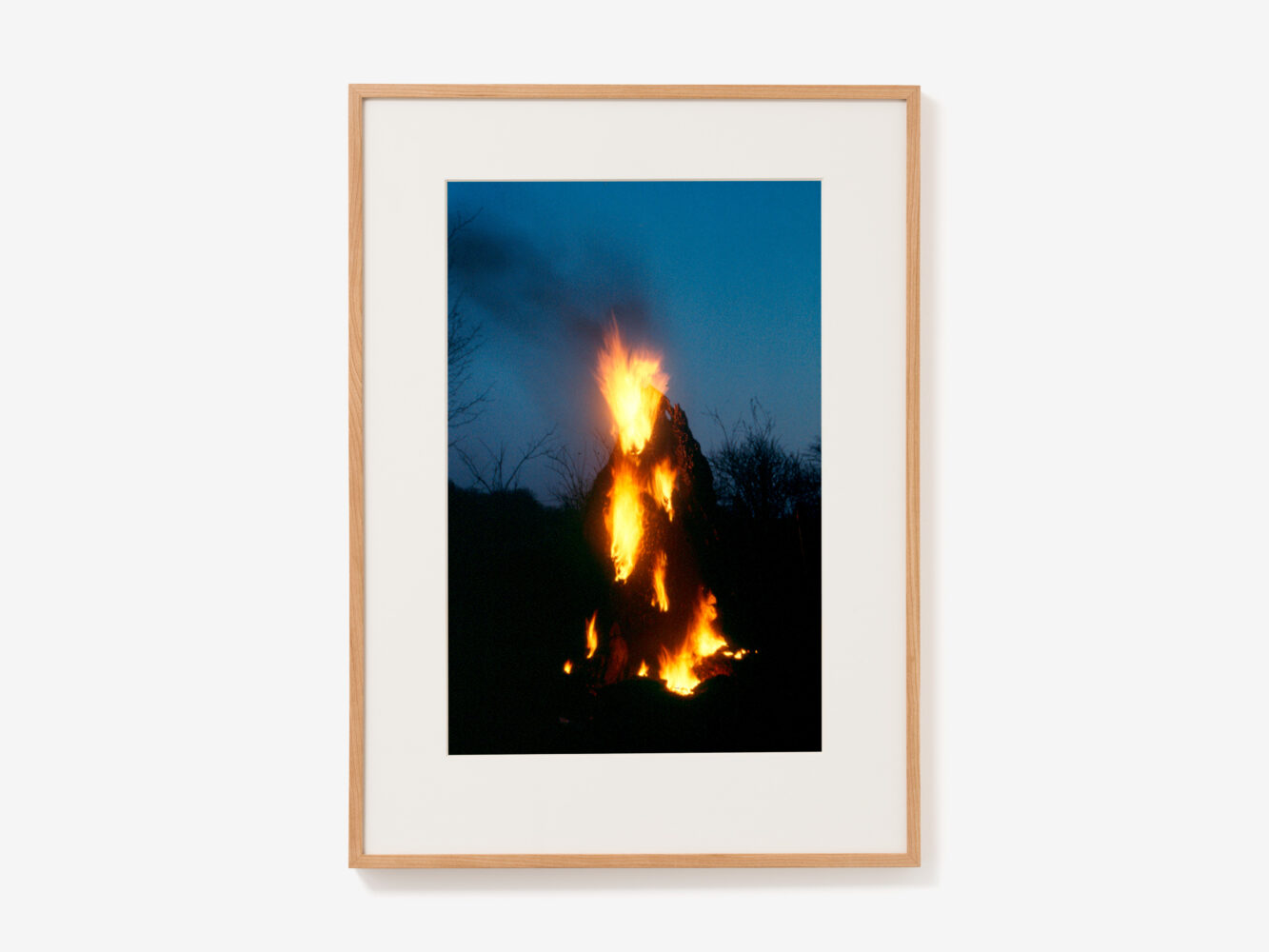


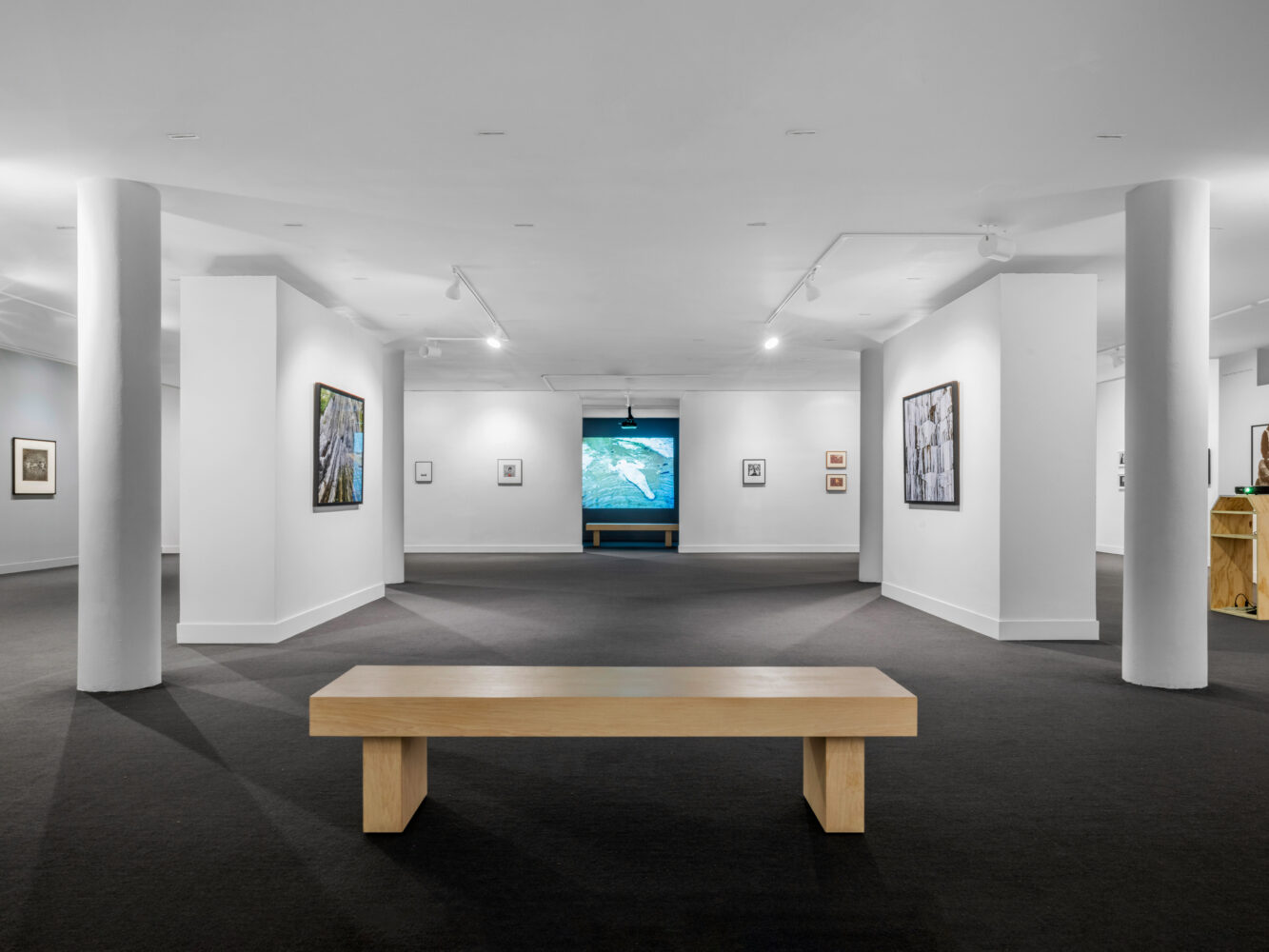
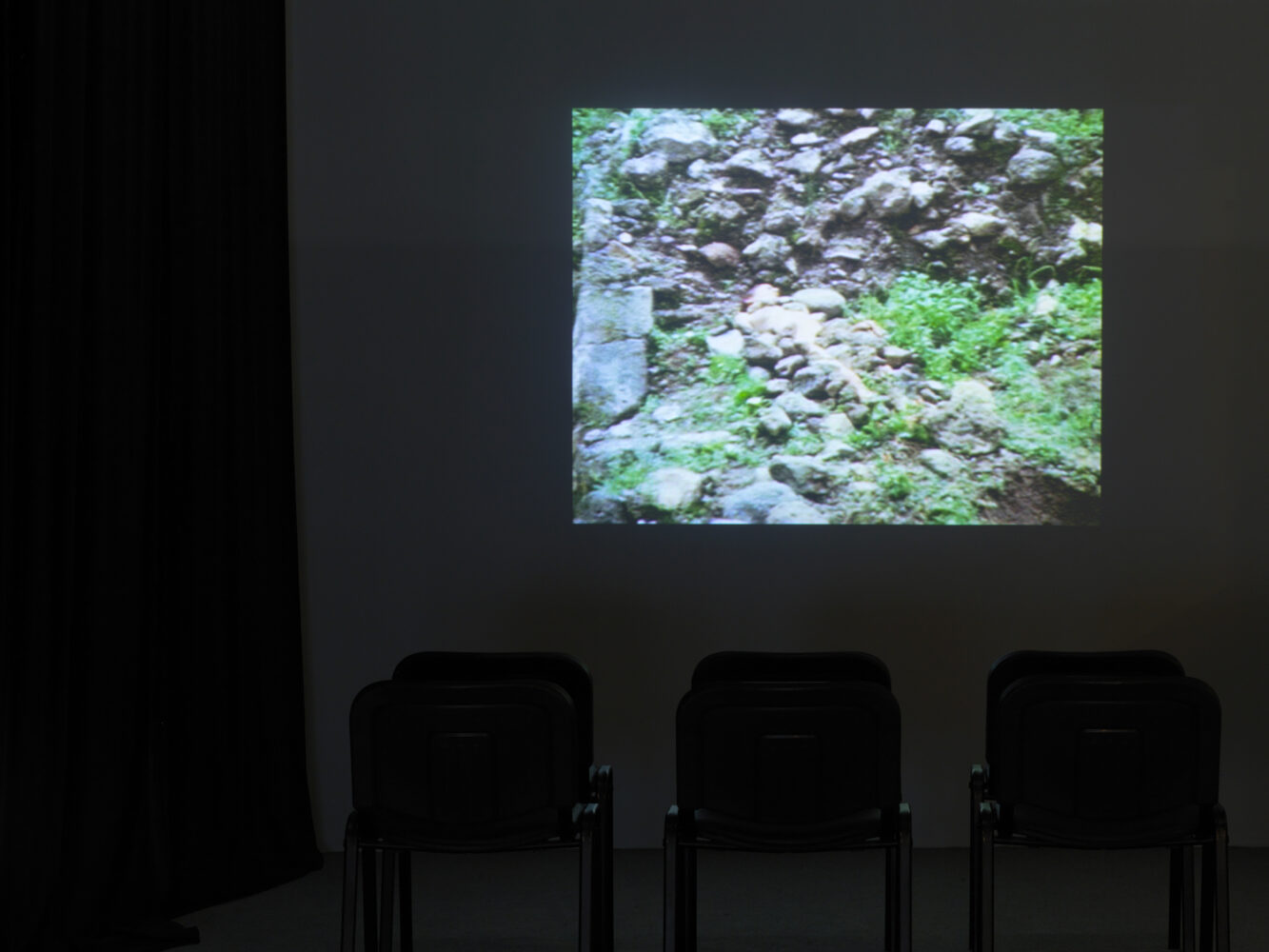
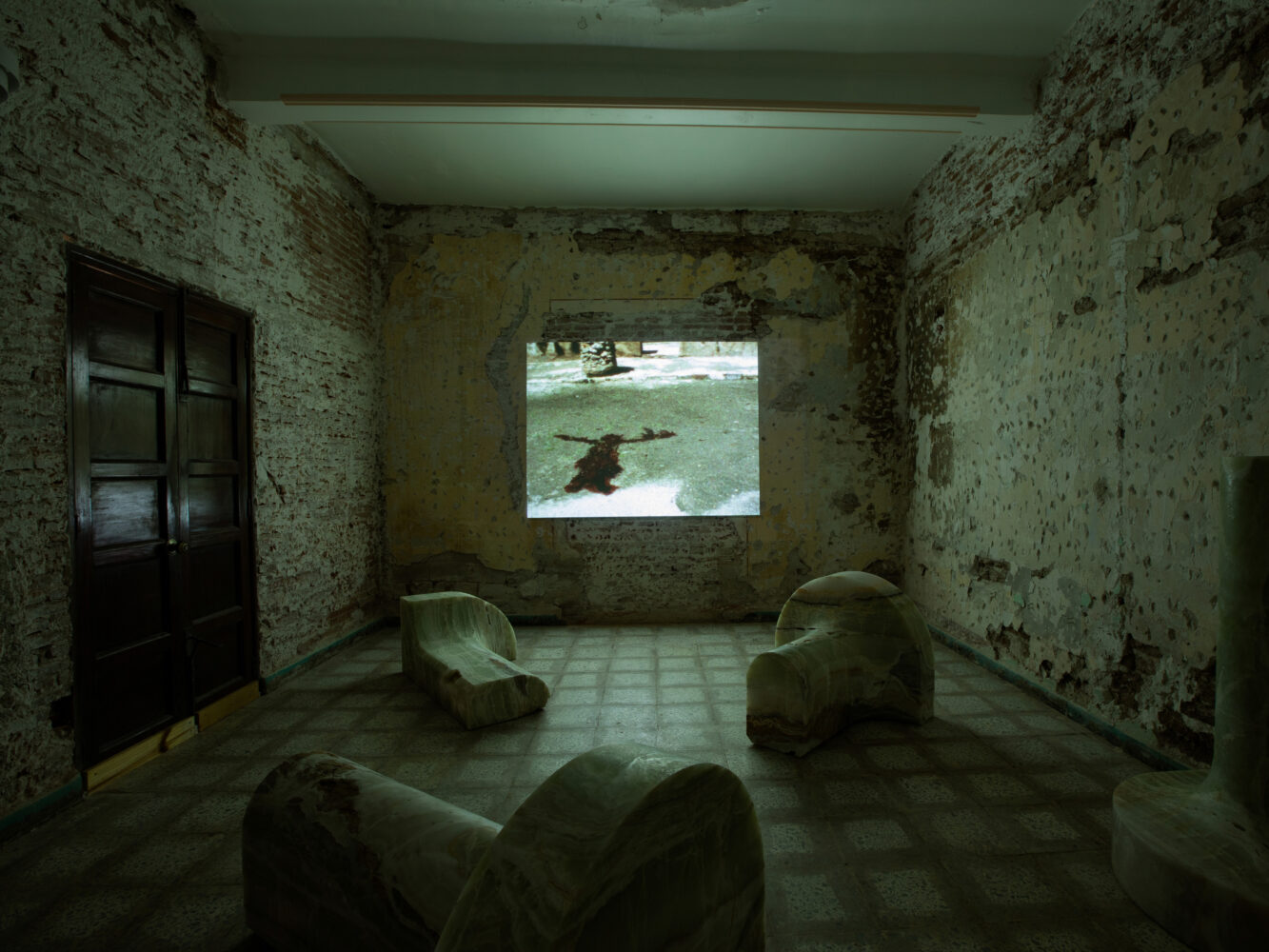

Ana Mendieta
in ‘Zin Ex: Body and Architecture’, Tabakalera, International Centre for Contemporary Culture, San Sebastián
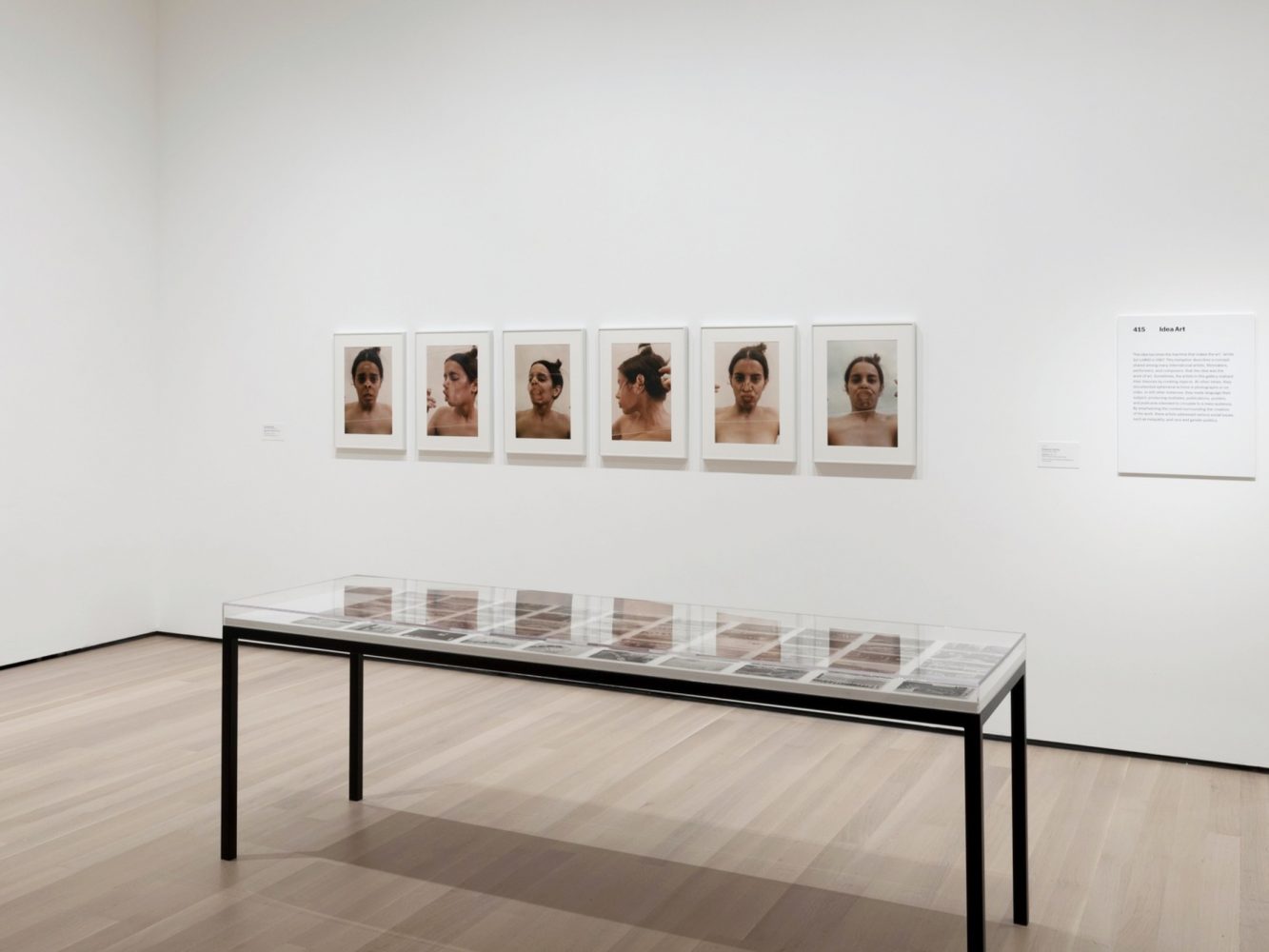
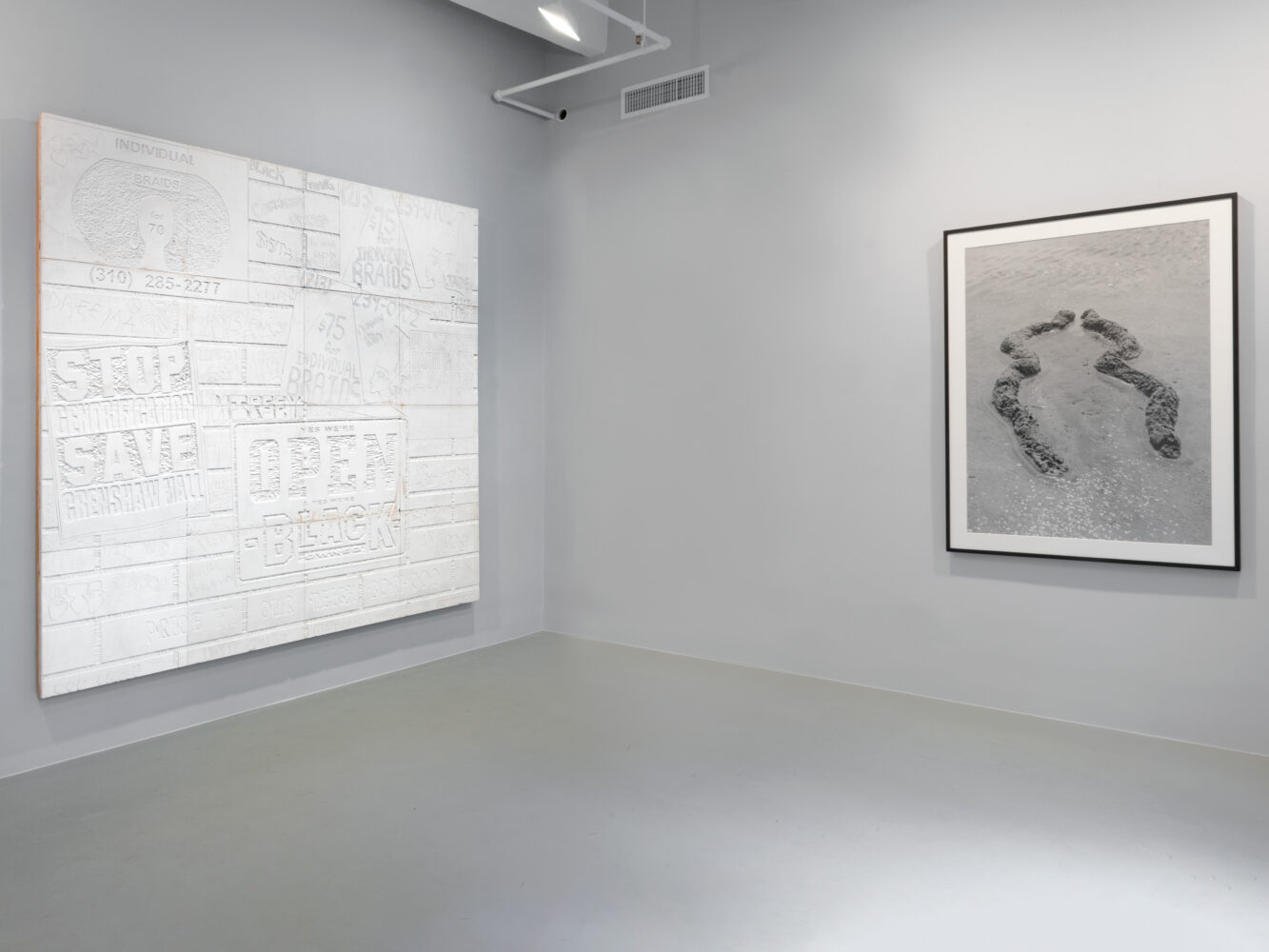
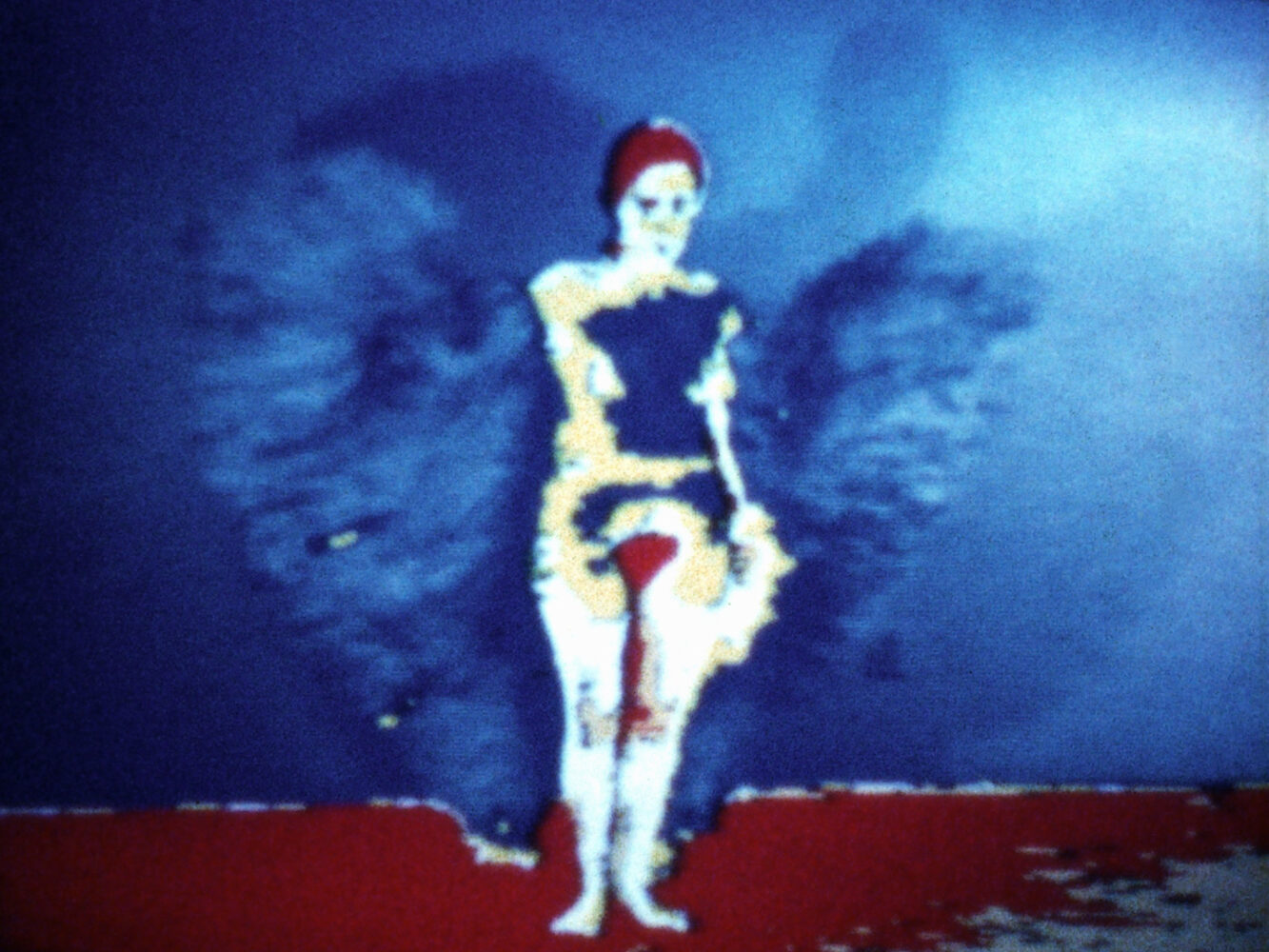

Ana Mendieta & Lenore Tawney
in ‘Never Done: 100 Years of Women in Politics and Beyond’, The Tang Museum, Saratoga Springs, New York

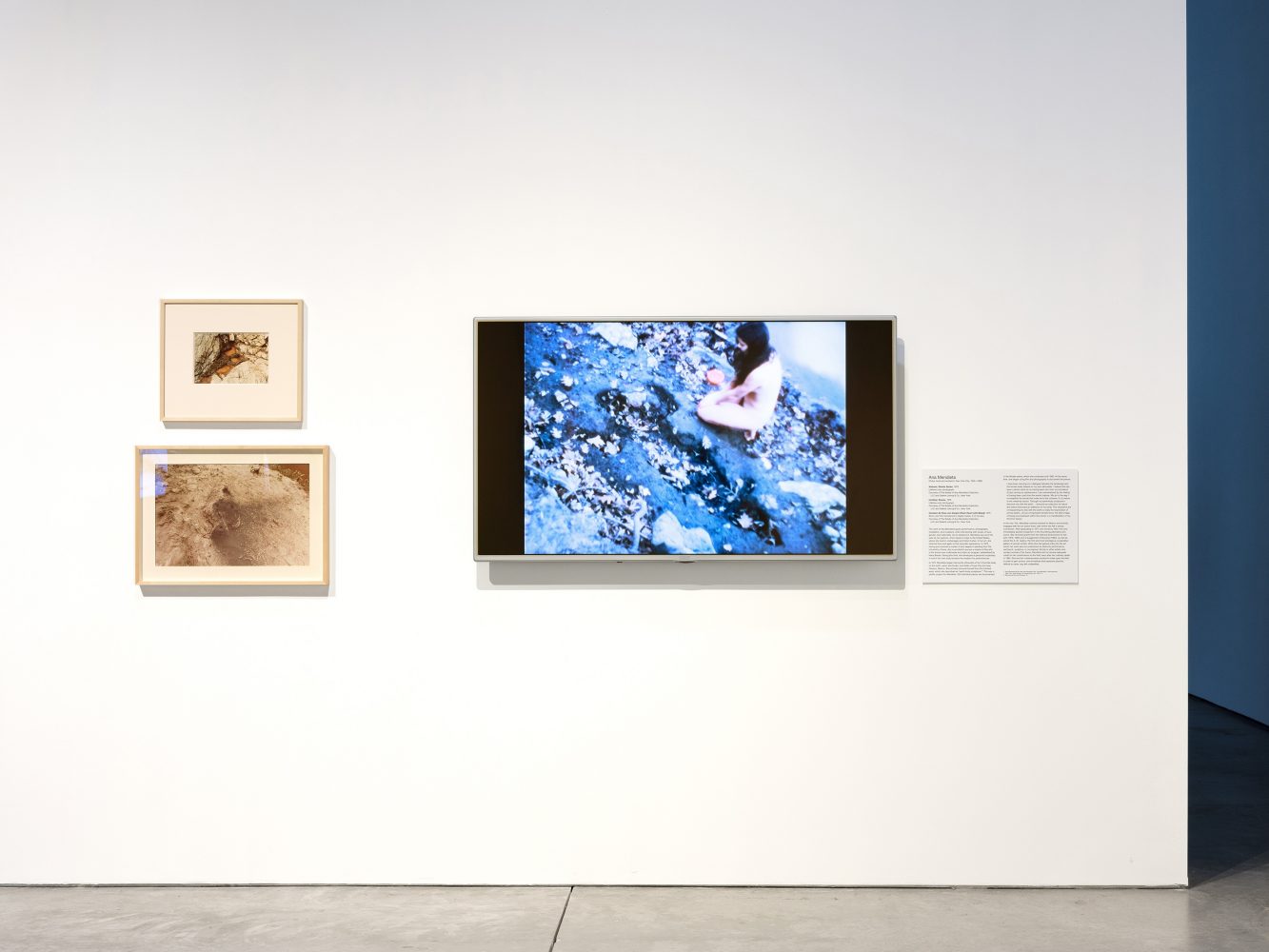
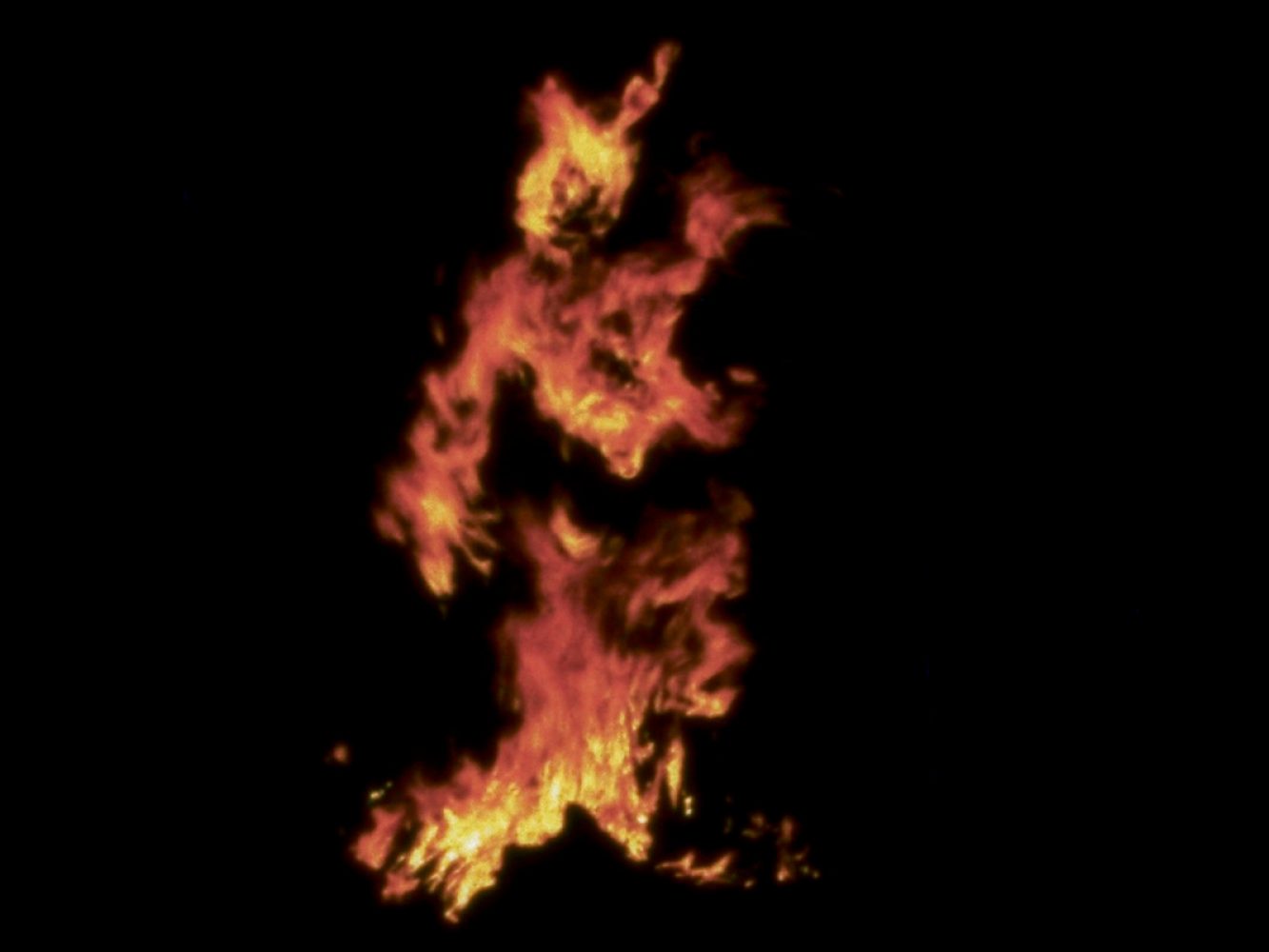

Robert Mapplethorpe & Ana Mendieta
in ‘Masculinities: Liberation Through Photography’, Barbican, London
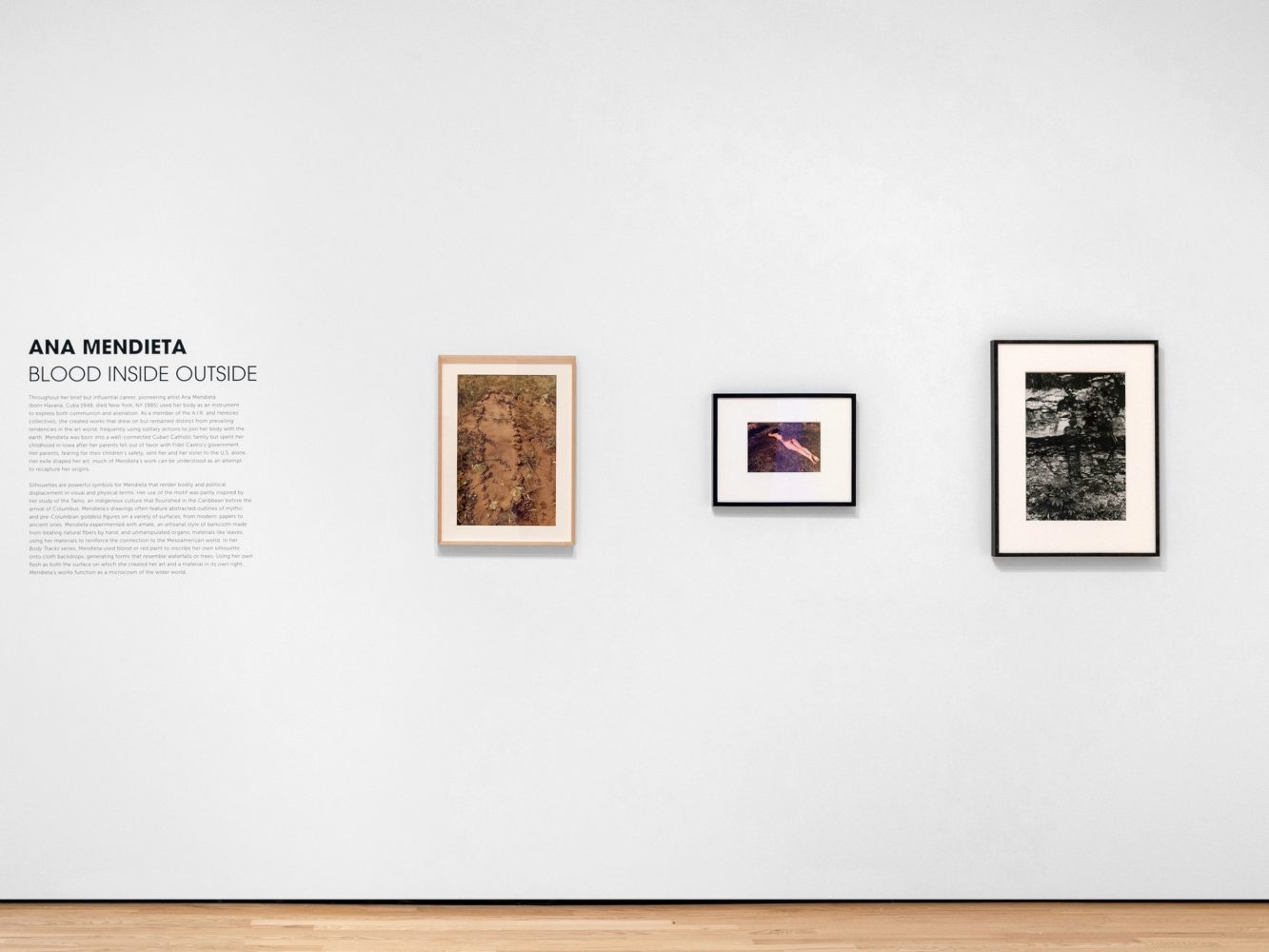

Birgit Jürgenssen, Ana Mendieta & Hannah Wilke
in ‘FEMINISMS!’, Centre de Cultura Contemporània de Barcelona

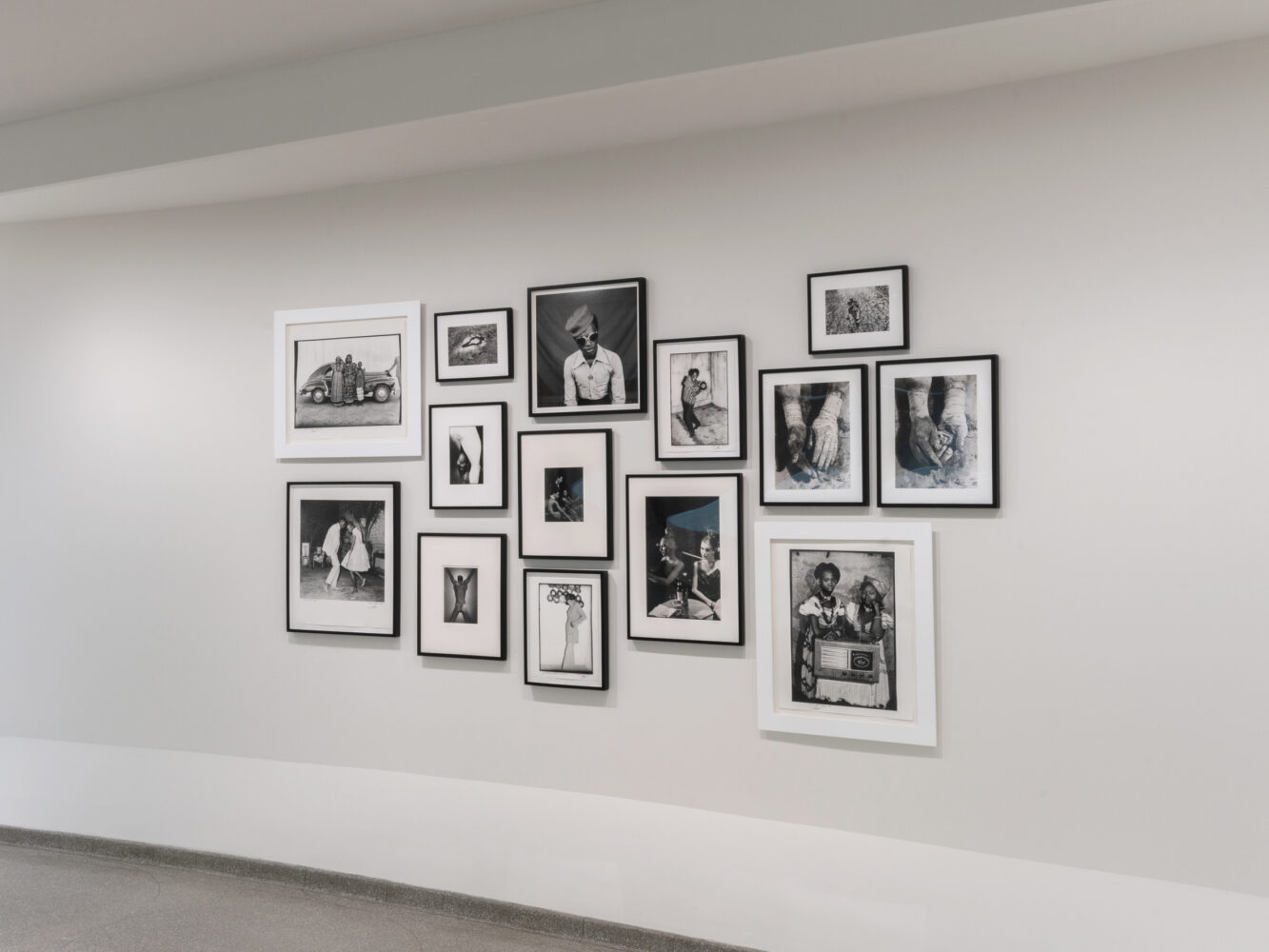

Lygia Clark, Fernanda Gomes, Ana Mendieta & Michelle Stuart
in ‘The Sensation of Space’, The Warehouse, Dallas