Text
GRAHAM LITTLE
9 OCTOBER – 14 NOVEMBER
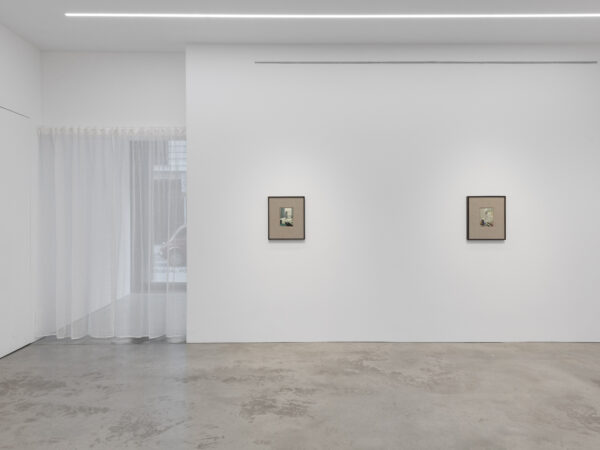
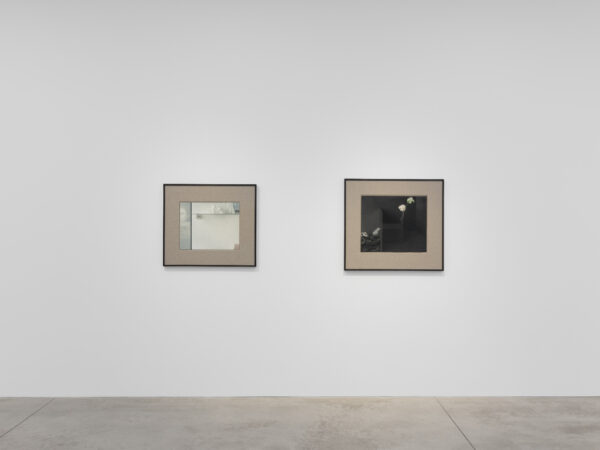
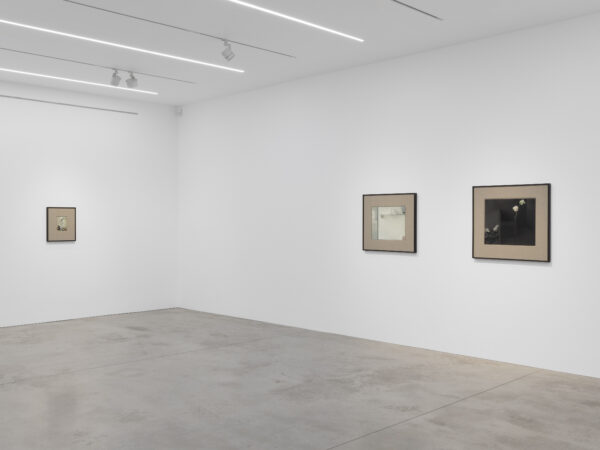
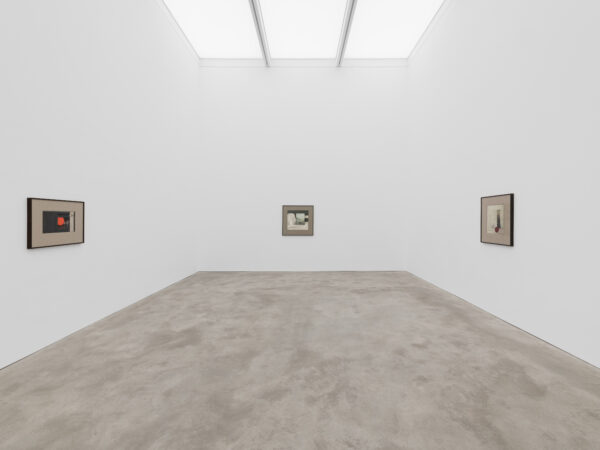
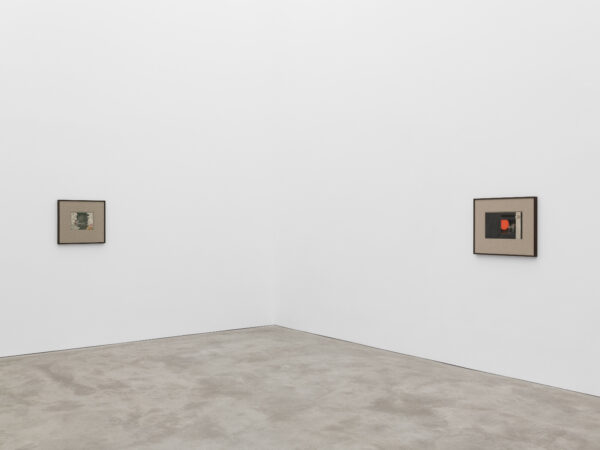
Alison Jacques presents a solo exhibition by Graham Little (b.1972, Dundee, UK) featuring new works made between 2025 and 2026.
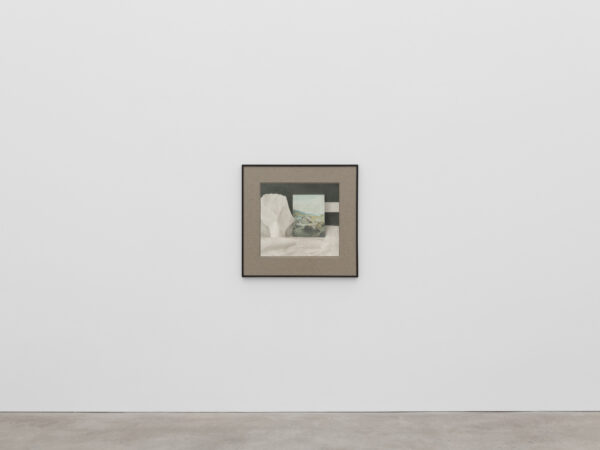
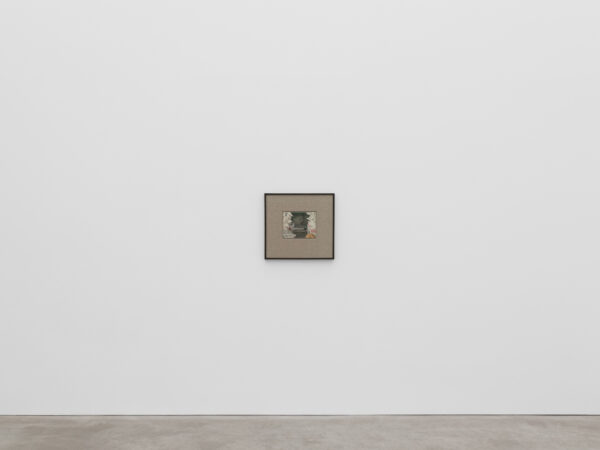
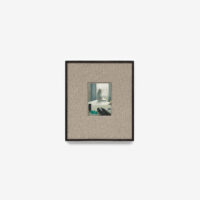
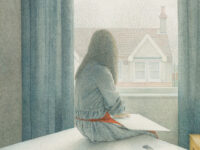
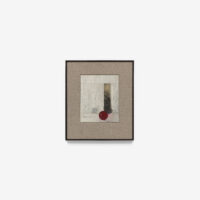
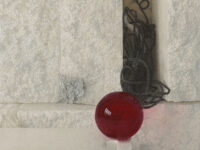
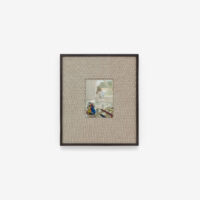
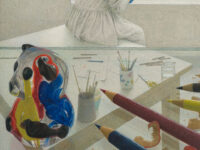
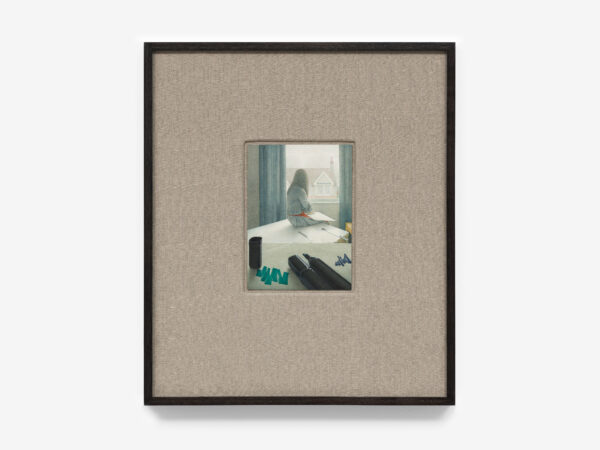
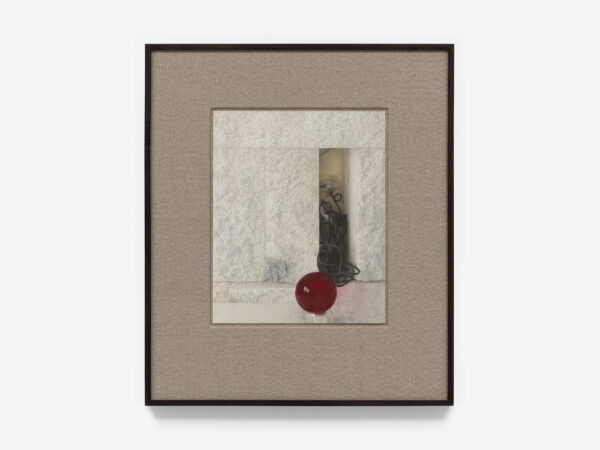
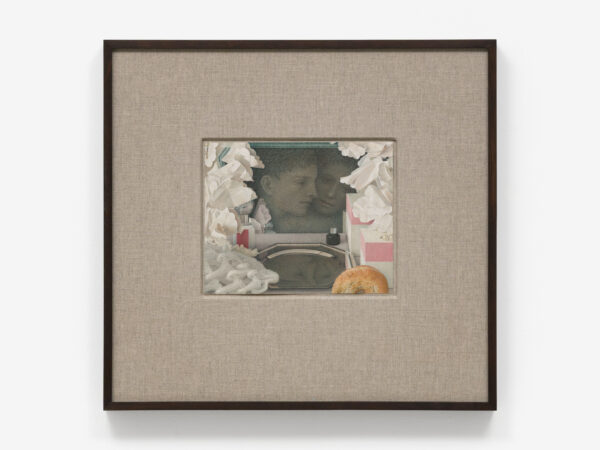
Working delicately with gouache on paper, Little constructs intricate paintings from carefully staged arrangements assembled in his studio using cut paper, found objects gathered from the streets around his home, friends posing as models and, occasionally, imagery drawn from books in his personal collection. Conceived over months – and often years – while Little’s interest in perceived beauty cannot be underplayed, his compositions are often characterised by the psychological blemishes that beauty cannot mask: distraction, disinterest and distance, emptiness cloaked in aesthetic sheen. As Little writes, ‘This show is less of a looking at beauty and more of a dismantling and looking around it.’
Long recognised for paintings that draw on the visual language of fashion photography, Little has explored beauty as both image and construction. Here, that investigation shifts. Rather than presenting beauty as the subject of the painting, these works consider the spaces around it: the objects, surfaces and gestures through which it is created, performed and observed.
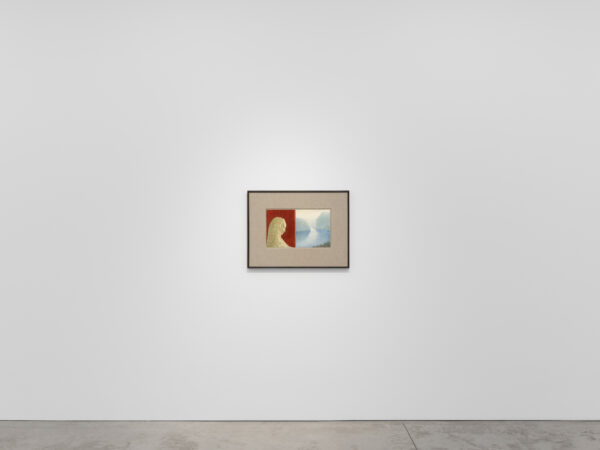
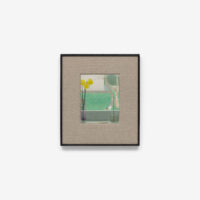
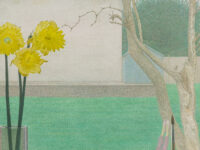
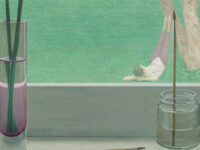
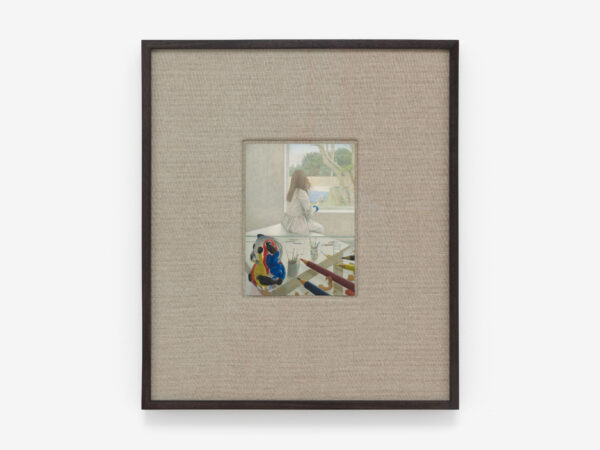
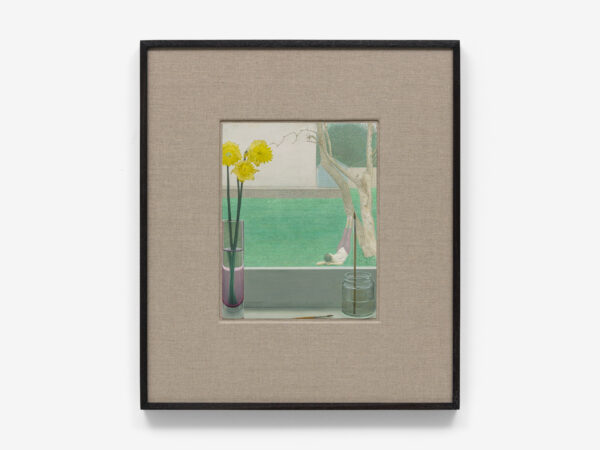
The exhibition marks a distinct transformation in the role of the figure within Graham Little’s practice, as he states: ‘The figure is generally out of reach, exterior rather than in the interior domestic space, with a still life in front of them rather than to the side or behind.’ Figures recede into gardens and distant spaces while still lifes move into the foreground, fundamentally altering the relationship between body and object. As Little explains, ‘the figure has become the shimmering landscape in the background.’ He describes this as a ‘shy’ or ‘breezy’ figuration, recalling the post-war moment in painting just before representation fully condensed into line. Gardens verge on abstraction, evoking the earthy roots of modernism, while distorted flowers allude to the aesthetic sensibilities and compositional strategies of modernist figuration. Circular compositions reflect what Little describes as ‘the unsettling, regenerative rhythms of the mundane and the universal, drawing attention to our desire to postpone or distract from inevitable decline through beauty and wellbeing, and to the spaces that exist beyond conventional ideals of representation.’
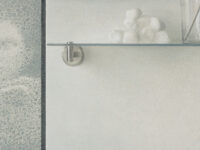
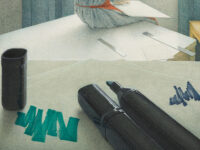
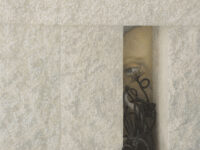
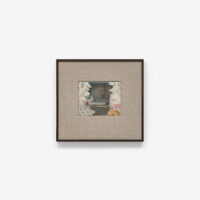
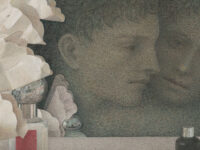
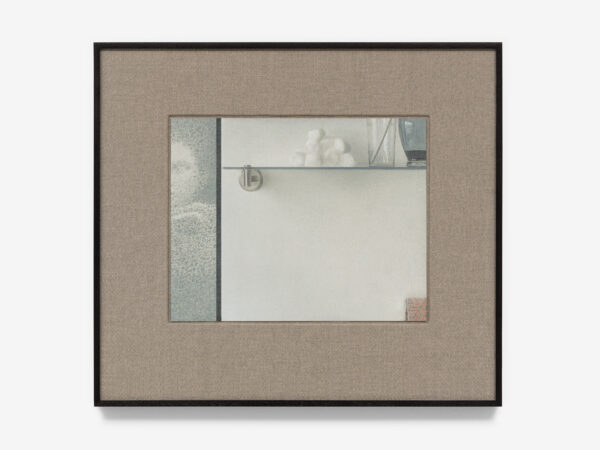
Domestic objects become the principal carriers of meaning. Bathroom shelves, cosmetic products, mirrors and flowers are no longer incidental details but sites through which painting reflects on ideals of beauty and perfection. As Little writes, ‘In make-up, hours are spent removing tiny textures and blemishes.’ What appears to be a smooth white wall dissolves, on closer inspection, into countless irregular brushstrokes. The labour of painting mirrors the labour of self-fashioning, revealing perfection to be something continually constructed rather than naturally possessed.
Underlying the exhibition is the artist’s sustained reflection on beauty and the ethics of looking. ‘Where is beauty and where is it made? Between the eye, the gaze, the product, the hope, the desire, the action or the person underneath?’ Reflections of the artist recur in polished surfaces throughout the exhibition, acknowledging the subjective, partial and sometimes flawed perspective from which these images emerge. In doing so, Little implicates himself within the act of looking.
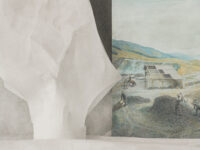
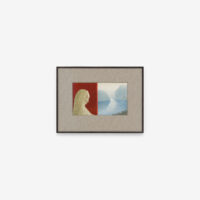
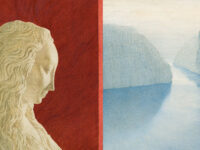
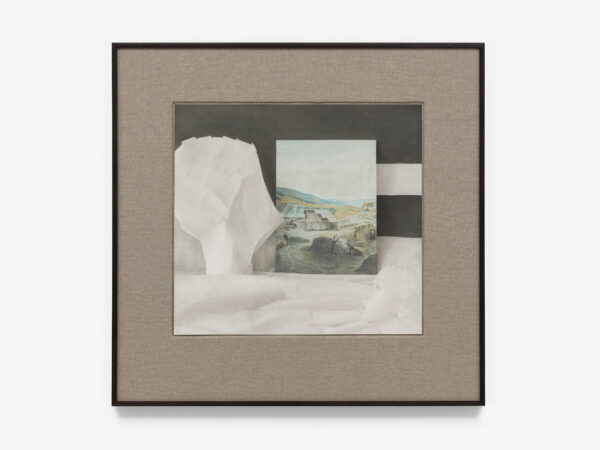
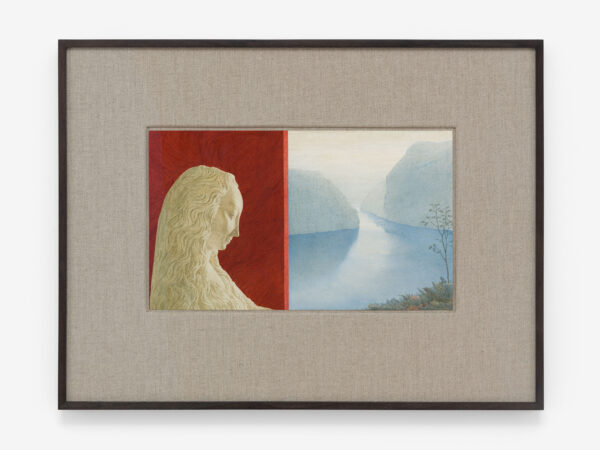
Art historical references function as a way to test the possibilities of painting. Michael Craig-Martin’s An Oak Tree becomes a touchstone for considering art as an act of belief, while works such as Panorama and Pearl distance the figure through artifice and projection: a beautiful face revealed to be a statue, or a couple inhabiting an imagined Arcadian landscape rather than a lived reality. Rather than affirming beauty as something stable or self-evident, these paintings suggest that it is sustained through acts of imagination, faith and representation.
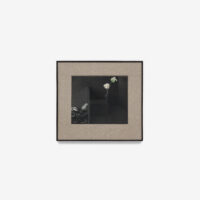
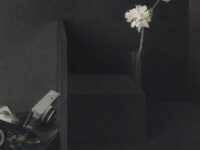
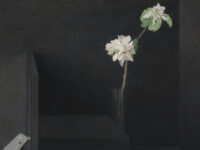
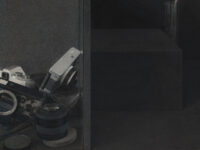
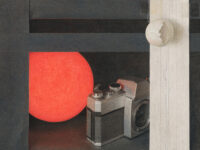
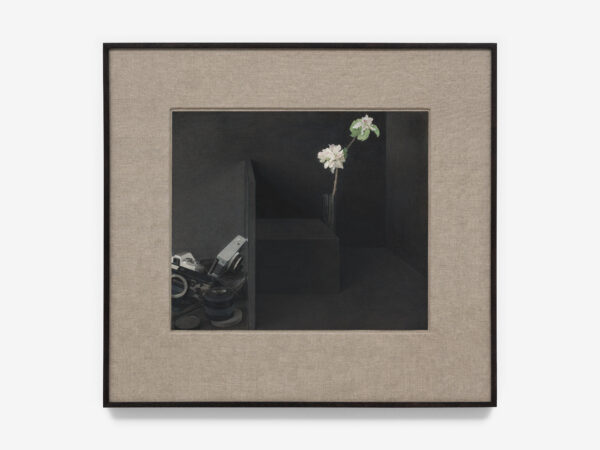
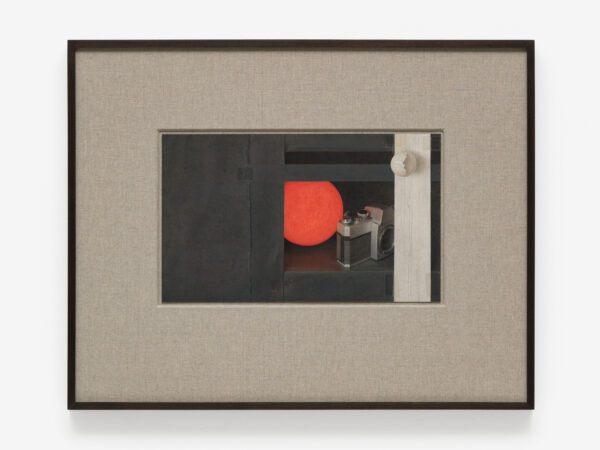
The questioning of perception extends to the technologies through which beauty is mediated. Mirrors, cameras, brushes and screens appear as devices that shape how we see ourselves and others, asking whether technology continues to serve us or has become something to which we submit. In one painting, cameras cluster around a mirror, seemingly intoxicated by their own reflections whilst unaware of a fragile twig of apple blossom on the other side of the glass. Destined to wilt before it can be seen or captured, the blossom becomes a quiet allegory for beauty that exists beyond the compulsive logic of image-making. Paintings’ enduring appeal lies precisely in this uncertainty. Rather than claiming objectivity, it remains provisional, intimate and deeply subjective.
Works




















Installation