


Quentin James McCaffrey: The Architecture of Memory
Margherita Artoni, Artdependence
September 2026

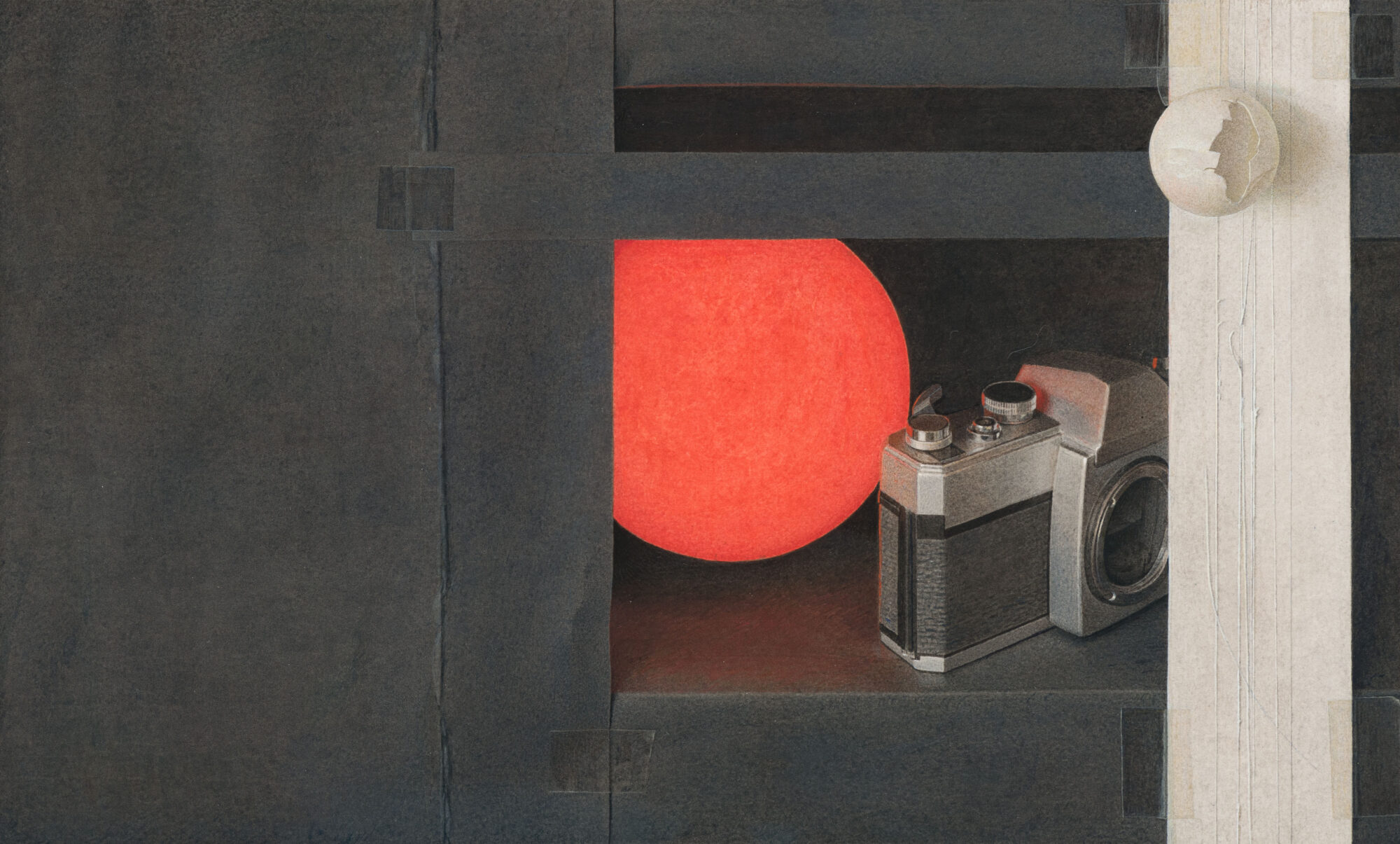
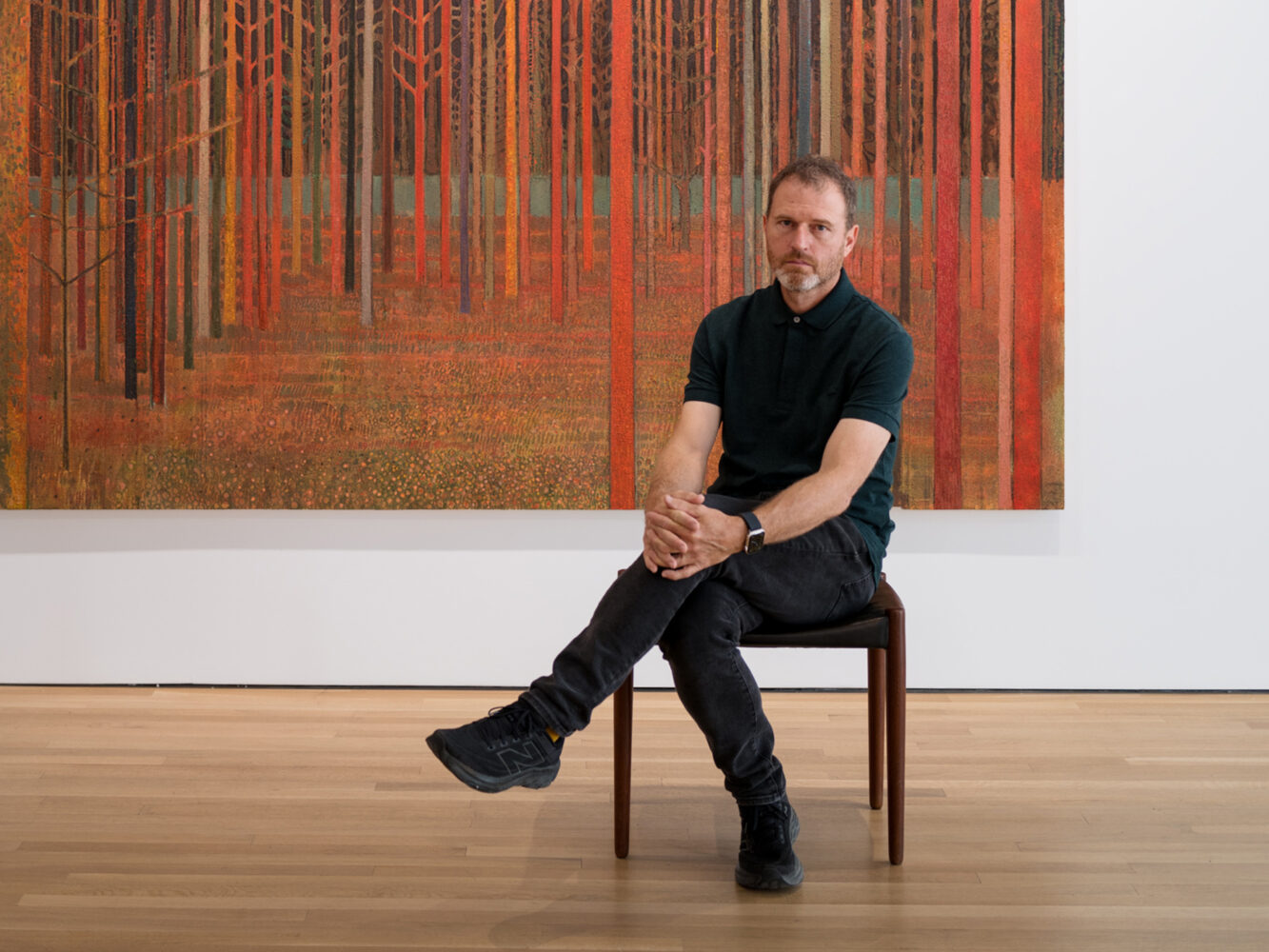
In an age saturated by images, Quentin James McCaffrey’s paintings propose a slower and a more contemplative mode of attention. Through carefully constructed interiors, architectural fragments and charged arrangements of objects, his practice investigates the relationship between perception, memory and imagination.
McCaffrey’s paintings occupy an ambiguous territory between recognition and invention. His interiors appear familiar while resisting a precise location, evoking spaces that seem remembered rather than observed. Like a Proustian fragment of memory, they are activated less by the reconstruction of a specific place than by atmosphere, sensation and the subtle return of impressions that have remained beneath consciousness.
His recent exhibition at Nicelle Beauchene Gallery further revealed the artist’s exploration of interior spaces as psychological landscapes, where architecture becomes a structure of recollection and projection. His forthcoming solo exhibition at Alison Jacques in London continues this investigation through imagined rooms, reflections and environments suspended between the real and the dreamlike.
Within these carefully composed settings, objects acquire a particular presence. Furniture, mirrors, flowers, framed images and architectural details do not simply occupy the painted surface; they establish relationships between absence and presence, intimacy and distance. An object can function as a synecdoche: a fragment that evokes a larger reality, carrying traces of memory, desire and human experience beyond its physical existence. […]