Biography
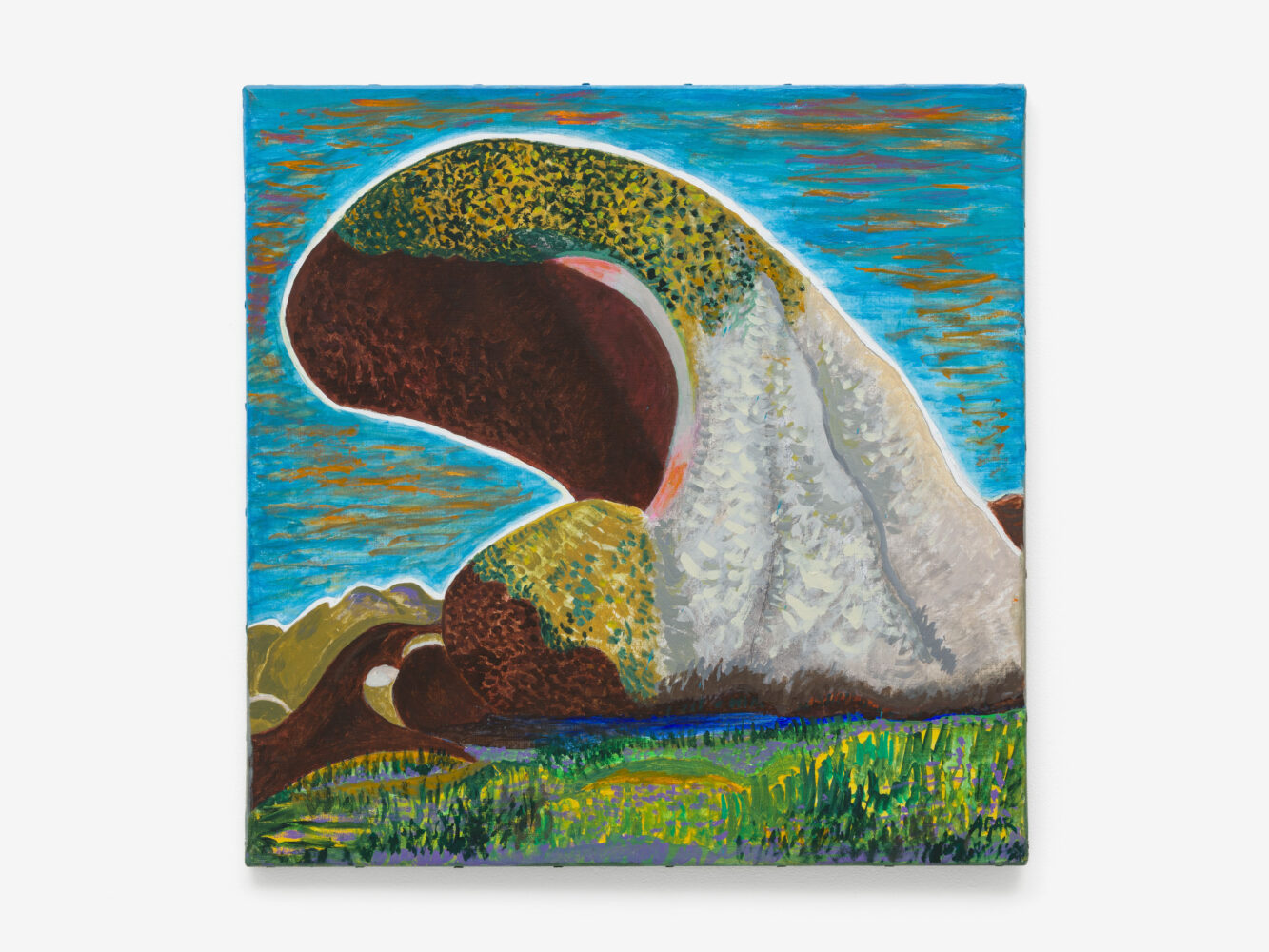
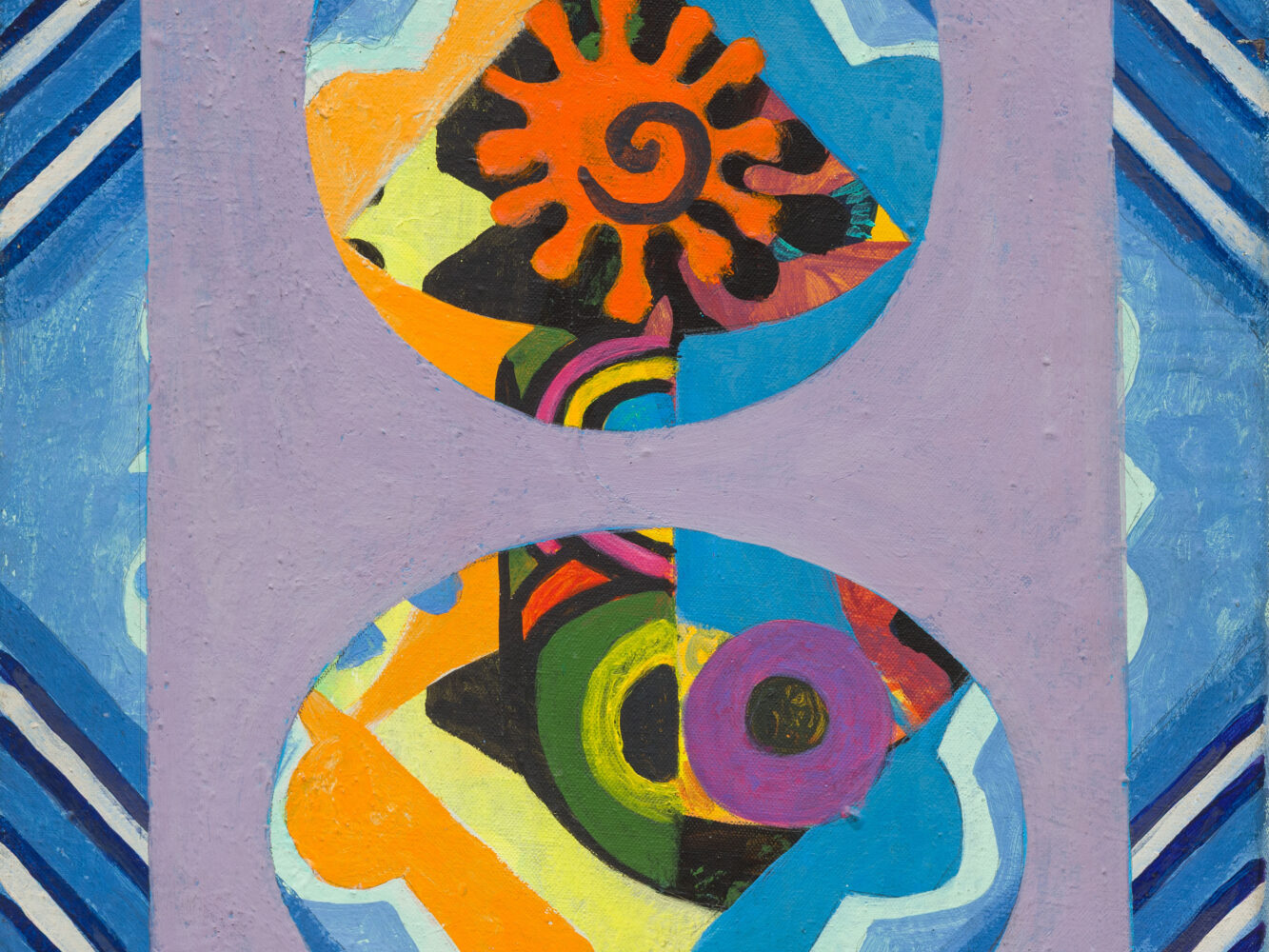
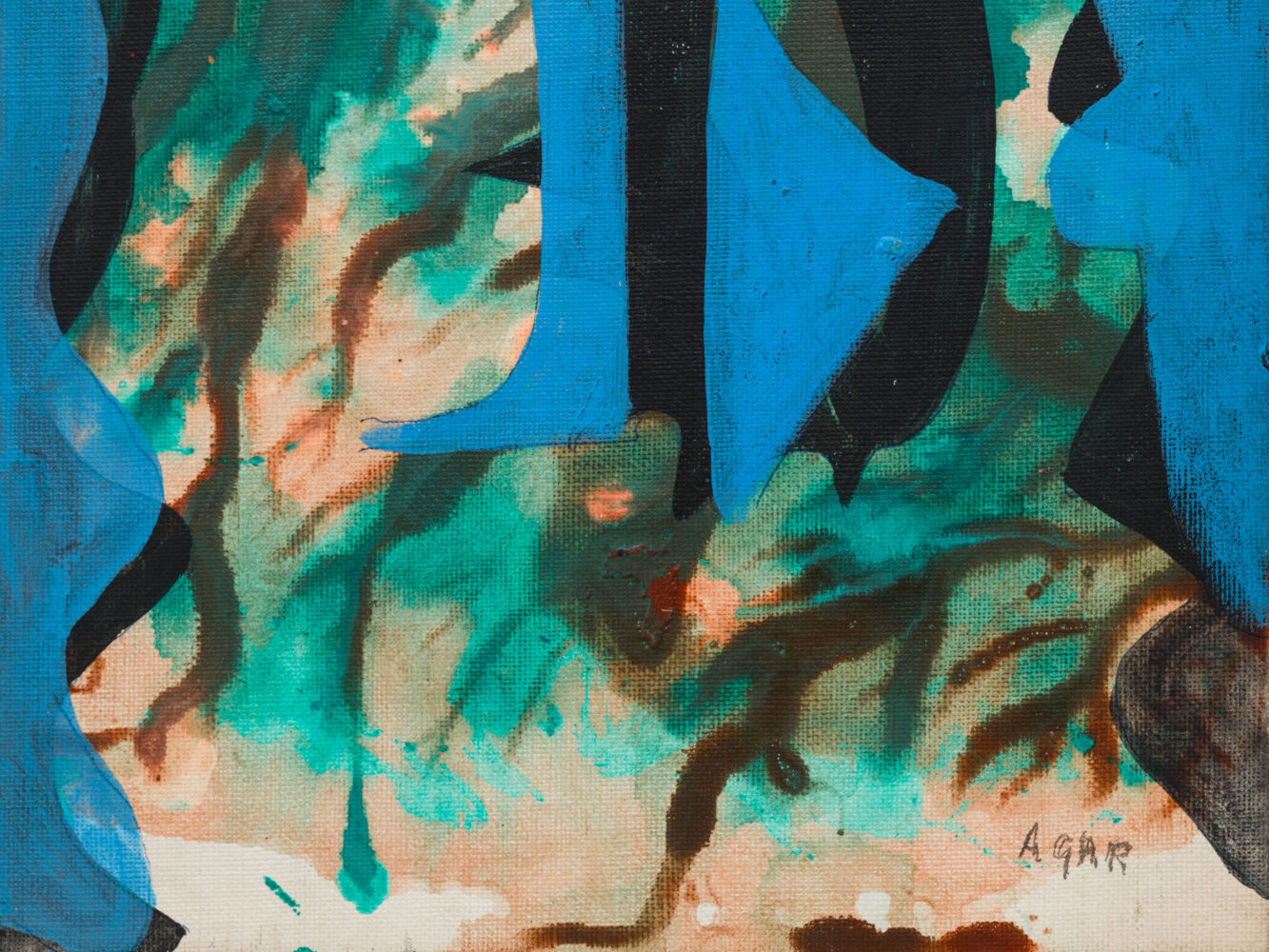
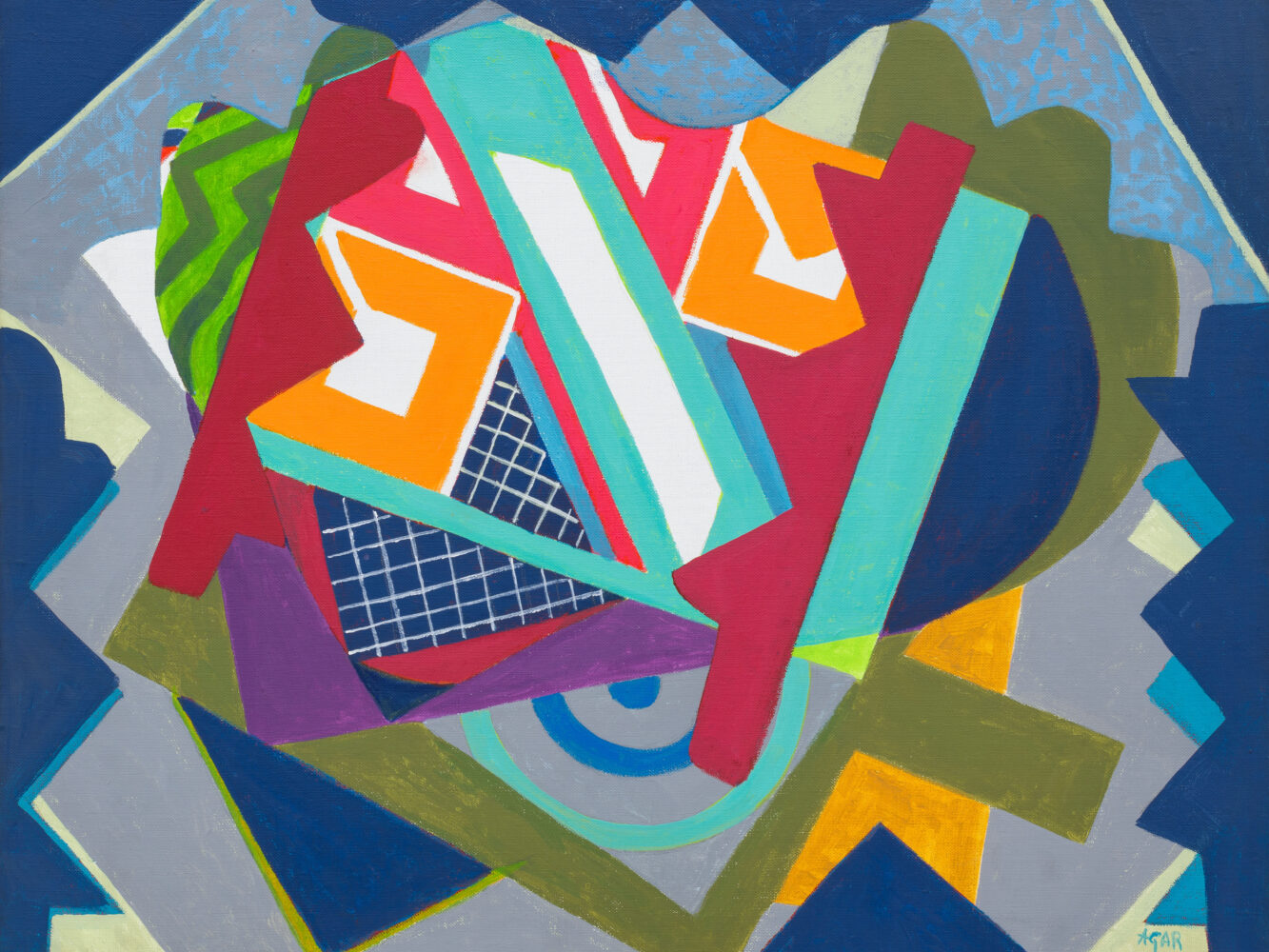
‘I have spent my life in revolt against convention’, Eileen Agar (b.1899, Buenos Aires; d.1991, London) once stated, ‘trying to bring colour and light and a sense of the mysterious to everyday existence’. A pioneer of surrealism both in Britain and internationally, as a painter and object maker Agar paved a profoundly individual path for her life and work. Her art resisted formal stylistic labels. Instead, her ‘highly personal combinations of form and content’ reflected the curious, travelled eye she cast upon the world. Agar sought to combine tenets of surrealism with facets of cubism and abstraction, challenging the precepts that defined such movements, as well as the male dominance that pervaded them.
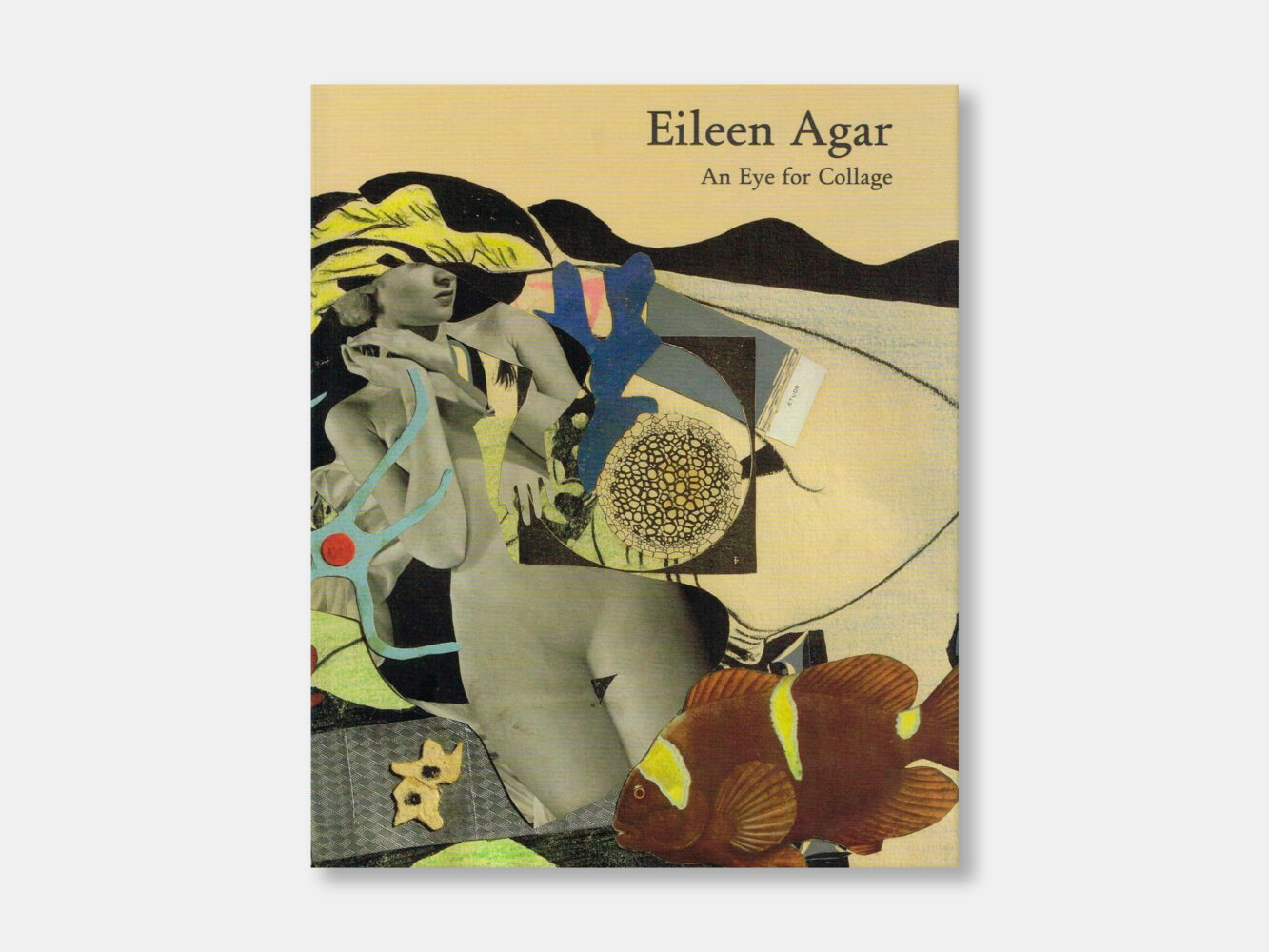
As Agar’s friend, the writer Andrew Lambirth notes in Eileen Agar: An Eye for Collage, her work ‘is not the spontaneous outpouring of the surrealist unconscious, but a very conscious and highly structured process. It is the Agar way.’ Through collage, painting, sculpture and photography, across many decades of an ever-evolving practice, Agar revelled in her colourful revolt, and the light it revealed.
Born and raised in Buenos Aires, Argentina to a Scottish father and American mother, Agar attended boarding school in the UK. There, she discovered an enduring passion for art as play, which she described as a ‘second birth’. Agar then pursued her studies at the Slade School of Fine Art, where she met and married her first husband Robin Bartlett who, as she described, ‘opened the door of freedom a crack, and helped me walk through it when the time came’. Later, she met and fell in love with the Hungarian émigré Joseph Bard, who would become her second husband, lifelong muse and source of inspiration.
Together, Agar and Bard moved to Paris in 1929, where she engaged with the artistic and intellectual luminaries of her time, including André Breton, Ezra Pound, Paul Éluard among others. Agar’s formal introduction to surrealist thought in France predated the movement’s introduction to audiences in the UK.
On her return to England in the early 1930s, Agar painted her first surrealist painting, and soon made her first collage. A stay in Dorset spawned a further artistic breakthrough: she began to incorporate objet trouvés in her art. Beachcombing became a vital part of her sculptural practice. She transformed ordinary things – fishing nets, seashells, diamanté beads, coral – into extraordinary objects. Her assemblages and sculptures took on many forms, including ceremonial hats, totems, and boxes. This mode of collage made a radical visual argument for the interconnected and relational truths of nature, as she later reflected: ‘my life is a collage, with time cutting and arranging the materials and laying them down, overlapping and contrasting’.
In the summer of 1937, Agar and Bard travelled extensively. The couple stayed in Lambe Creek on the Truro River, Cornwall on a month-long holiday with Roland Penrose, Lee Miller, Leonora Carrington, Max Ernst, Man Ray, Edouard Mesens, Paul Éluard and Nuscha Éluard. Agar also visited Picasso – who had just completed his masterpiece Guernica – and Dora Maar in the South of France. These gatherings were sites of creation and connection, where fellow artists carved out places for freedom, cross-pollination and esprit de corps, as World War II loomed on the horizon.
Agar was notably one of the few women included in the London International Surrealist Exhibition at the New Burlington Galleries, London in 1936, showing assemblages ‘Ceremonial Hat’ and ‘Angel of Anarchy’. Other epoch-defining exhibitions in which Agar participated include: Fantastic Art, Dada, Surrealism, MoMA, New York (1937), 31 Women, Art of this Century, New York (1943) and The Art of Assemblage, MoMA, New York (1961).
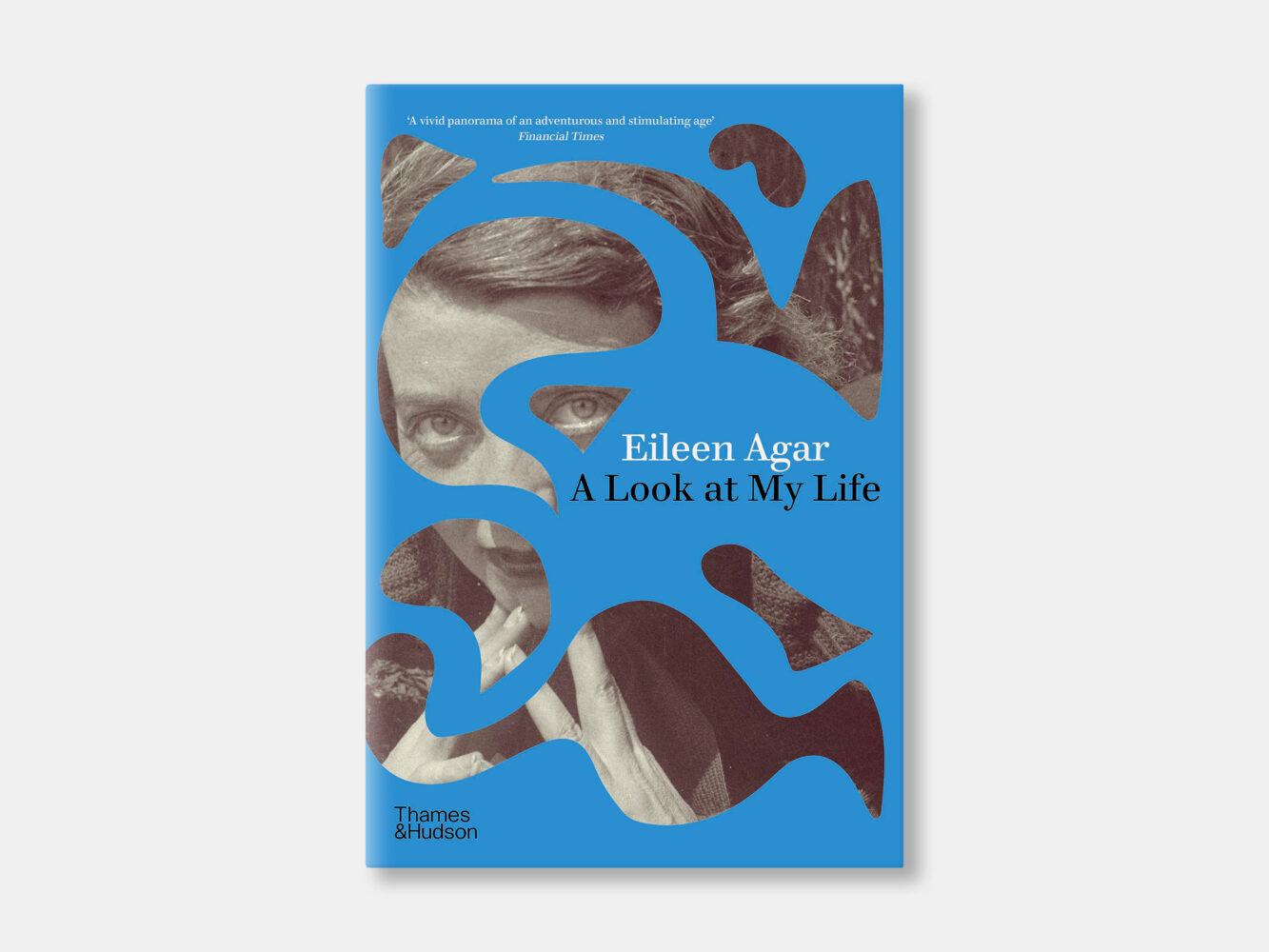
After the war, in the succeeding two decades, Agar presented sixteen solo exhibitions, reflecting the extent of her acclaim. Throughout her experimental, boundary-pushing art, Agar delved into her rich interior world and conceived of ‘womb magic’ – a feminine type of imagination which sought to undo the ‘rampant hysterical militarism’ she witnessed around her. Concerned by the rise of fascism on the continent, Agar dug her own philosophical and creative well that she drew on for the rest of her life, a pursuit she recounted in her memoir A Look at My Life in 1988, and continued until her death in 1991.
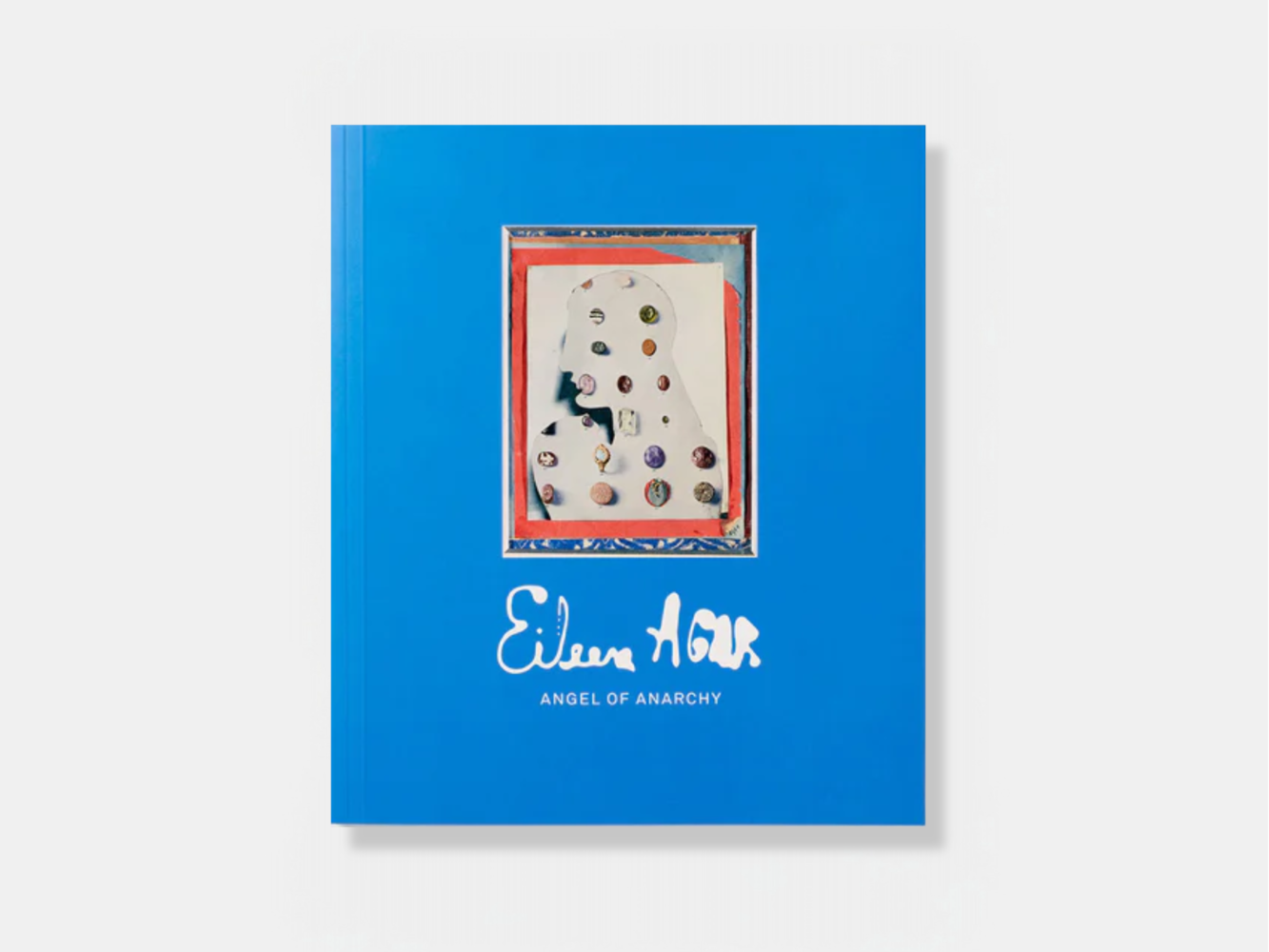
Acknowledgement for Agar’s work has only grown in the years following her death. Her major survey, Angel of Anarchy at Whitechapel Gallery, London, curated by Laura Smith in 2021, toured to Leeds Art Gallery, and internationally, to Mjellby Art Museum, Halmstad, Sweden. Significant recent museum shows which have included Agar’s work include Surréalisme, Centre Pompidou (2024), Forbidden Territories: 100 Years of Surreal Landscapes, The Hepworth Wakefield, UK (2024). Agar’s work has been acquired by major museums including: Tate; Victoria & Albert Museum; British Museum; Courtauld Institute of Art; National Portrait Gallery, London; National Galleries of Scotland; The Hepworth Wakefield; Centre Pompidou, Paris and The Metropolitan Museum of Art, New York.
Press










Exhibitions
Books
News
EILEEN AGAR
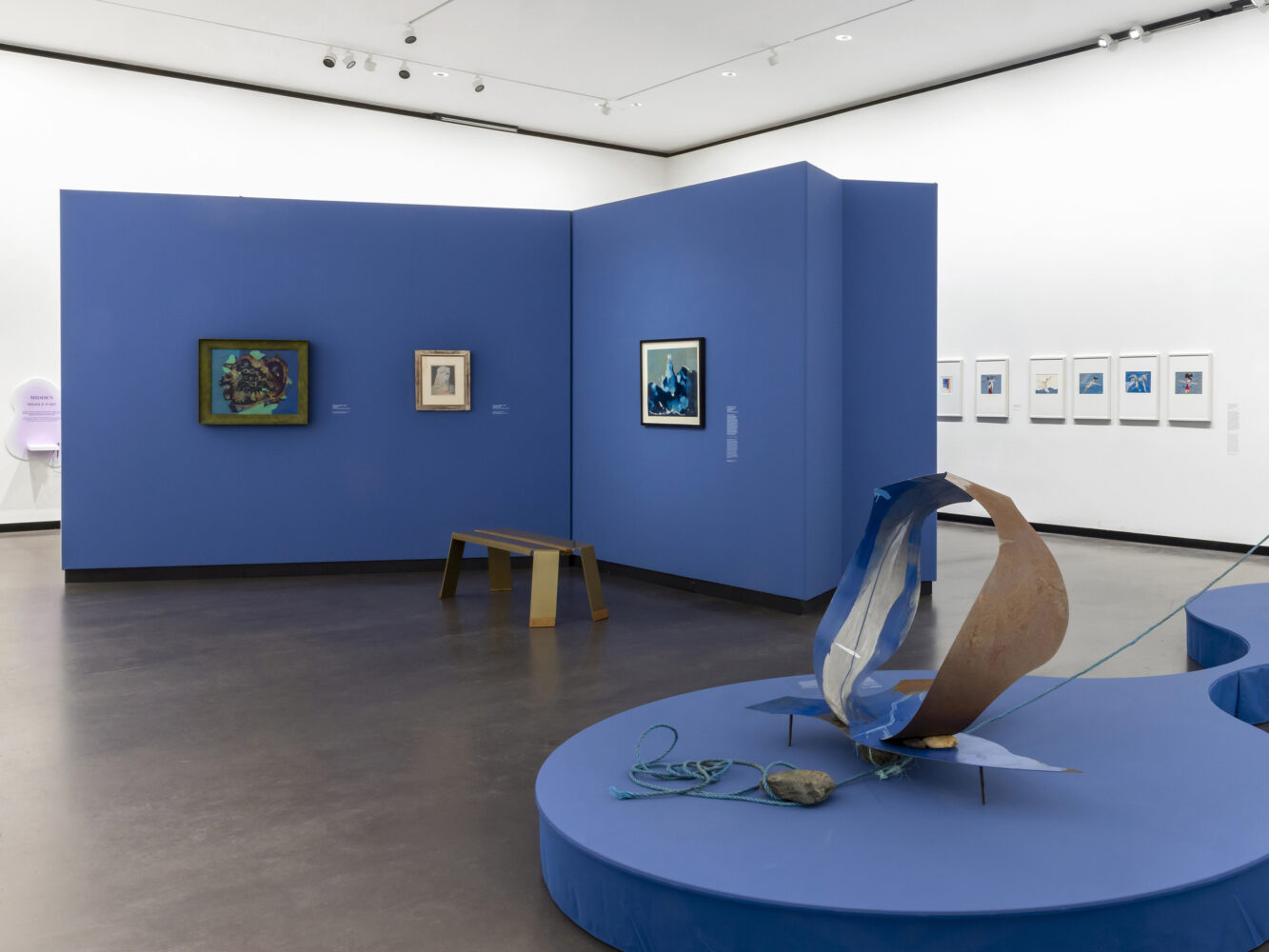
INCLUDED IN ‘IN THE VERY BOWELS OF CHANGES: SURREALISM AND ANTIFASCISM’, MUSEUM OF MODERN ART, WARSAW, POLAND: UNTIL 10 JANUARY 2027
Eileen Agar
‘FORBIDDEN TERRITORIES: 100 YEARS OF SURREAL LANDSCAPES’, MUSEUM ARNHEM, THE NETHERLANDS