

Announcing Representation of Sky Glabush
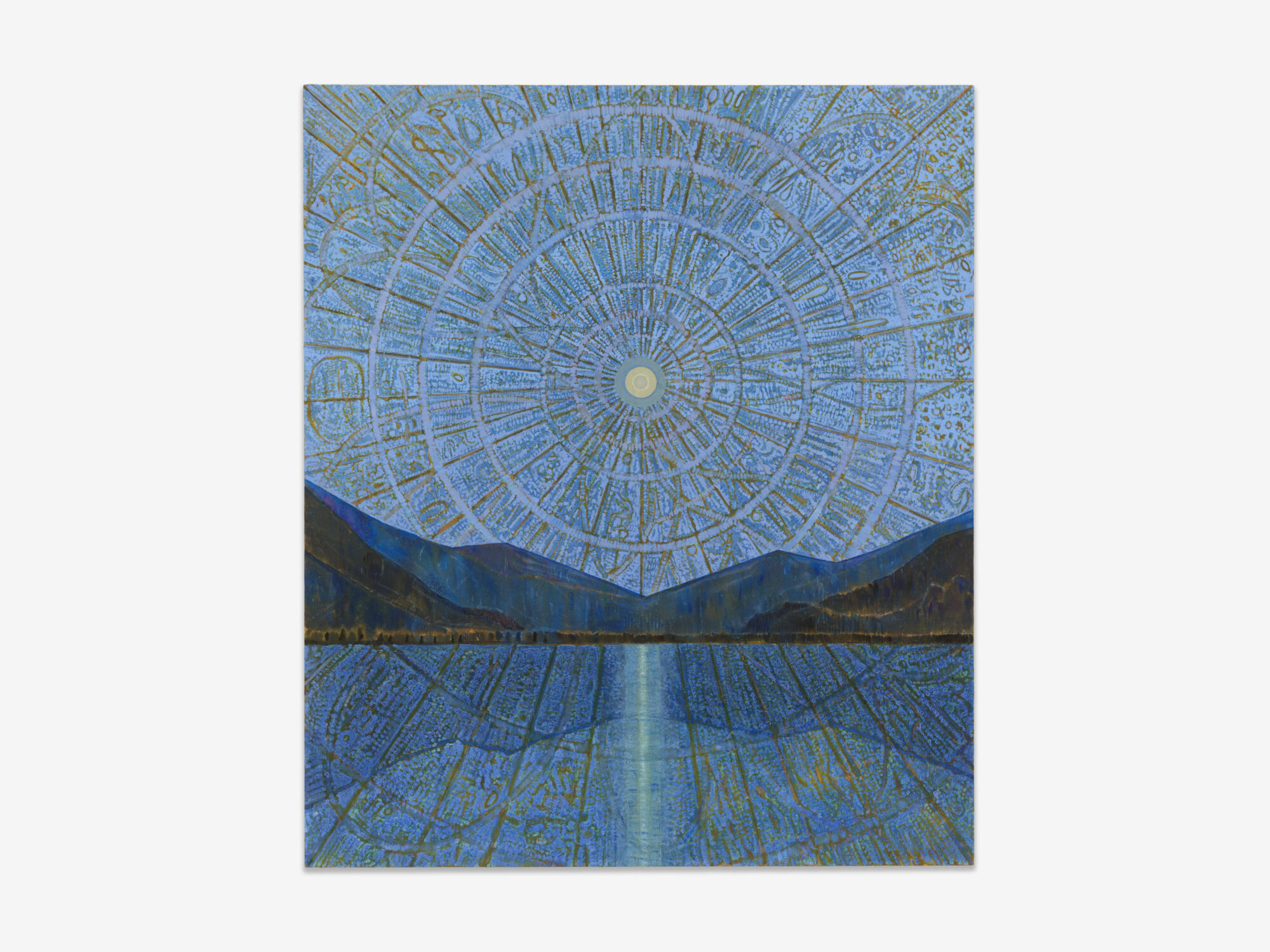
Alison Jacques is delighted to announce representation of Canadian painter Sky Glabush (b.1970, Alert Bay, British Columbia; lives and works in rural southwestern Ontario). The artist’s first solo exhibition at the gallery will take place in November 2026.
‘The materials themselves have to guide the painting to present an image or idea that didn’t come from me’, Sky Glabush observes, ‘There’s no recipe, there’s no formula, there’s no direction. I never know if and when a painting is going to feel real or if it’s going to feel alive’. Paintings emerge through an intuitive, materially driven process in which landscape becomes less a subject than a platform for experimentation. Glabush continues, ‘If the world around you can become subject matter or inspiration, then there’s no limit because it’s inexhaustible’.
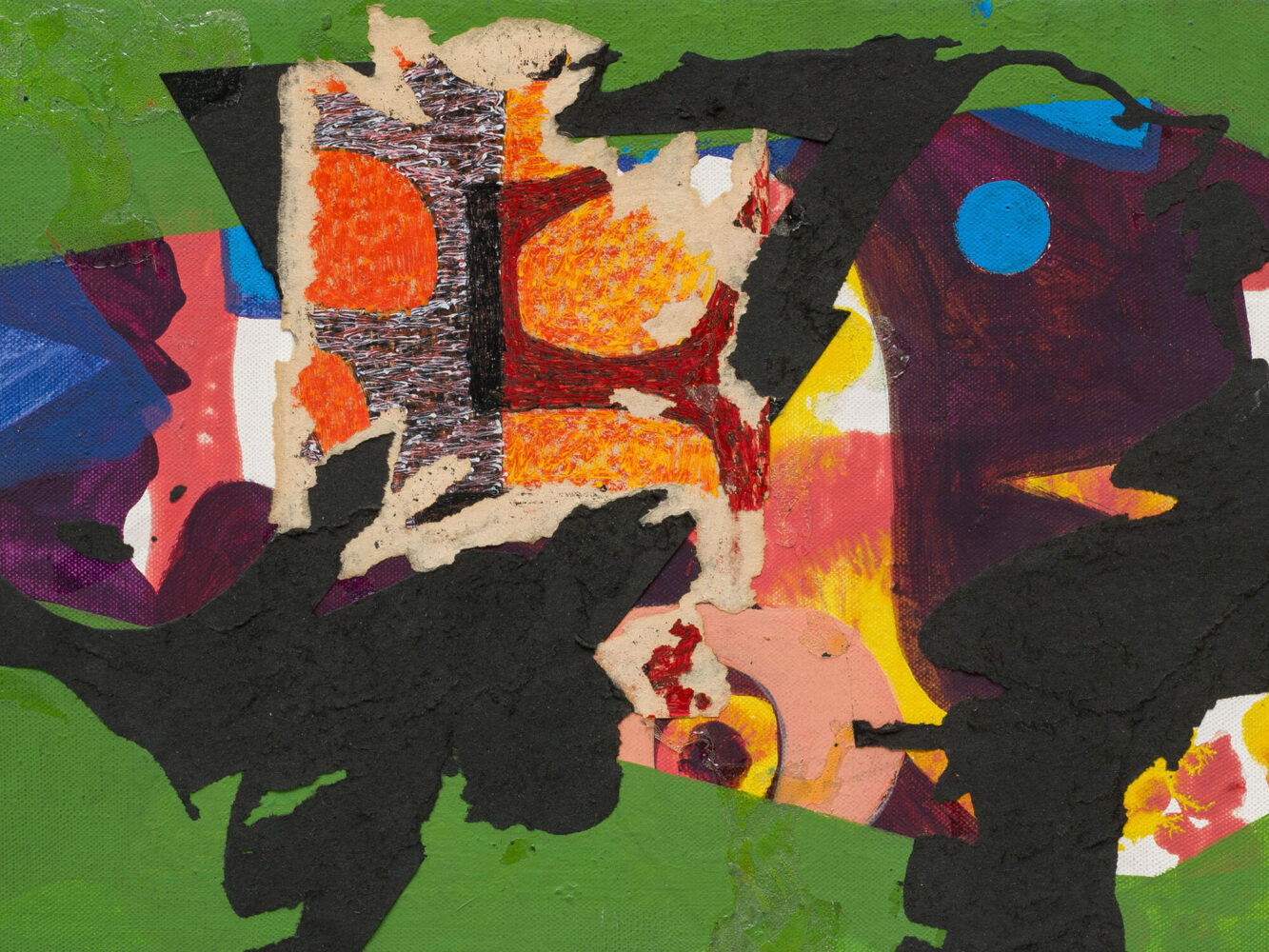
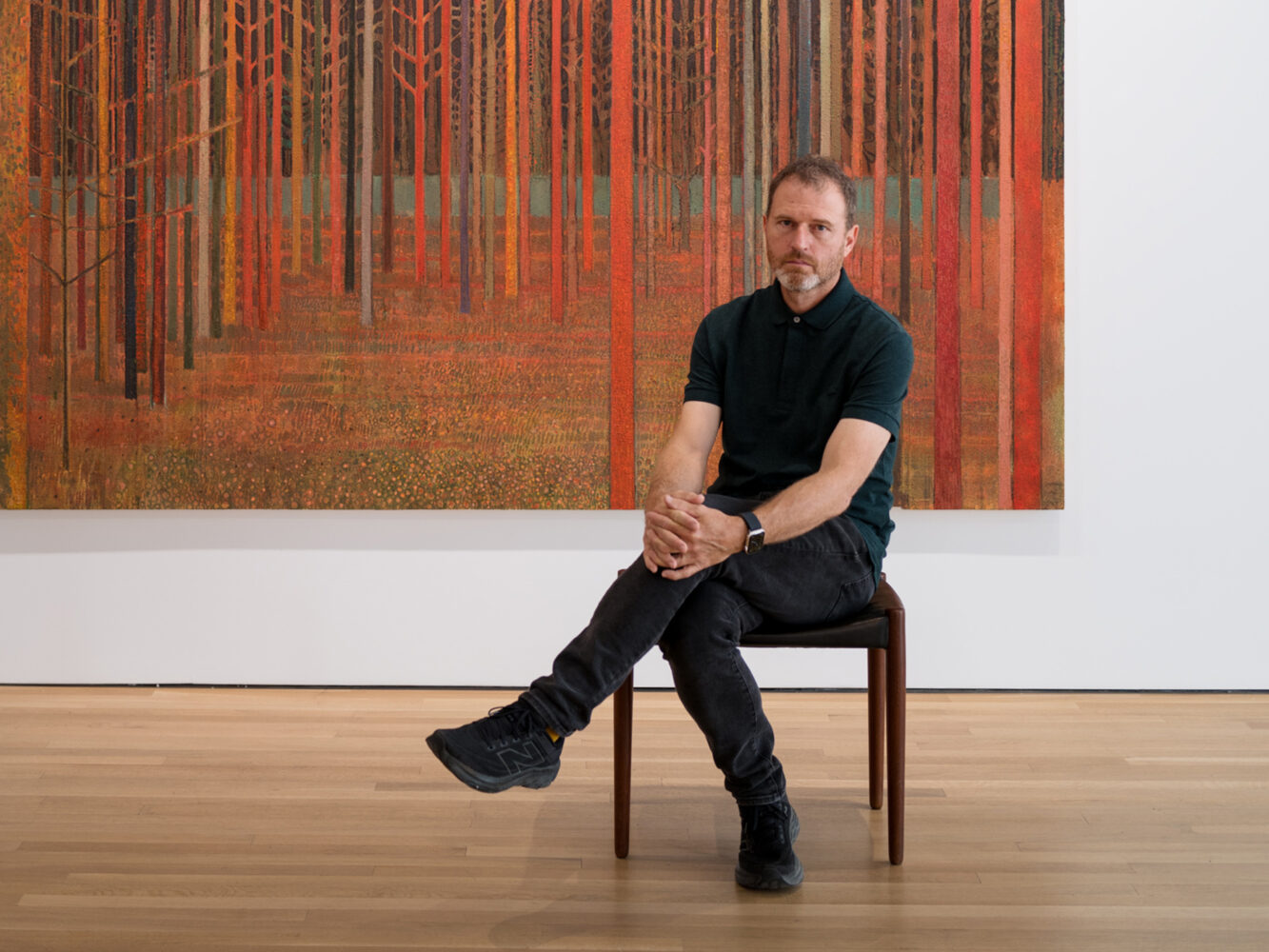
Glabush paints intuitive interpretations and emotional responses to landscape, which he experiences as a platform for experimentation. Images are not predetermined but arrive through an ongoing exploration of material, memory and sensation, pushing the work beyond its source material and allowing forms to develop through their own internal logic. Although recurrent elements – trees, flowers, fields or shifting horizons – appear throughout Glabush’s work, the paintings resist fixed narratives, instead offering spaces of discovery that unfold gradually through colour, gesture and texture. The work evokes a sense of place, moving between familiarity and discovery. As he notes, ‘I hope visitors take away a feeling of being transported – not just to a physical place, but to a state of mind where they feel a connection to nature and the passage of time’.
Glabush’s formative years on the west coast of British Columbia fostered an early attentiveness to landscape and material, shaping a sensibility that continues to inform his work. Light and texture operate as generative forces, developed through layered colour relationships and tonal contrasts that allow atmosphere to accumulate across the surface. Glabush frequently incorporates sand into oil paint to create relief-like surfaces that suggest forms felt rather than fully seen. ‘I want the surfaces of my paintings to feel tactile, almost sculptural,’ he explains. ‘Sand introduces an element of texture that traditional paint alone doesn’t offer. It changes how light interacts with the surface and allows me to explore depth and relief in a way that feels more connected to the Earth’.
Deeply informed by the legacies of Modernist painting, Glabush’s practice probes its unresolved questions – particularly the enduring tension between abstraction and representation, and the relationship between nature and form. Alongside these painterly concerns, poetry remains an essential point of reference. For Glabush, language is inseparable from landscape and material experience: ‘When I create paintings, I often find myself returning to poetry, reading lines that resonate with the visual energy of the work’. The paintings, like poems, unfold through rhythm, compression and suggestion, sustaining a dialogue between the visual and the verbal, the organic and the symbolic, and it is these connections which he continues to explore.