

LYGIA CLARK
INCLUDED IN ‘DIOR TO MCQUEEN: FASHIONING FORM’, SFMOMA, SAN FRANCISCO, US: OPENING 15 MAY 2027
15 MAY – 7 SEPTEMBER 2027
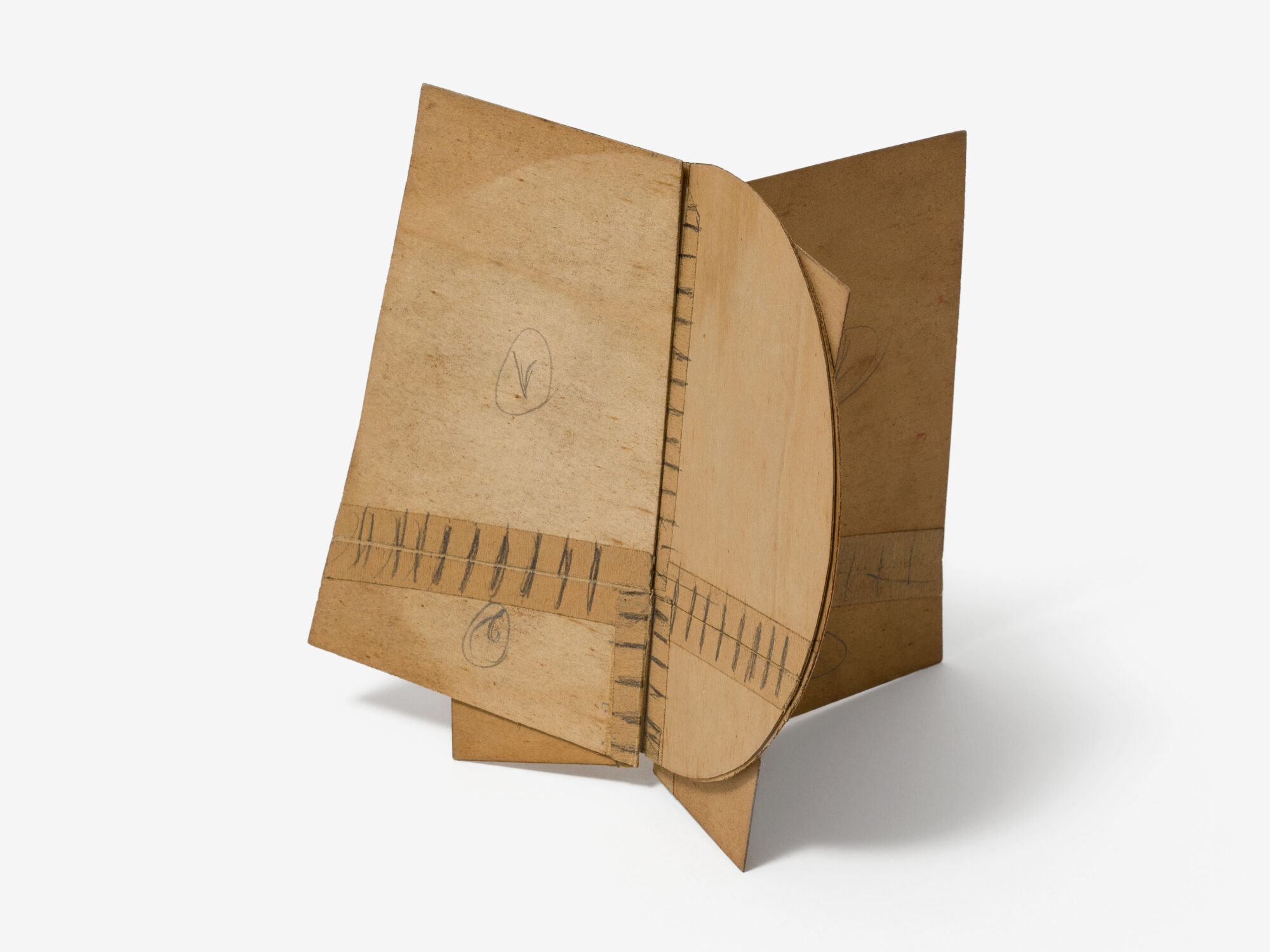
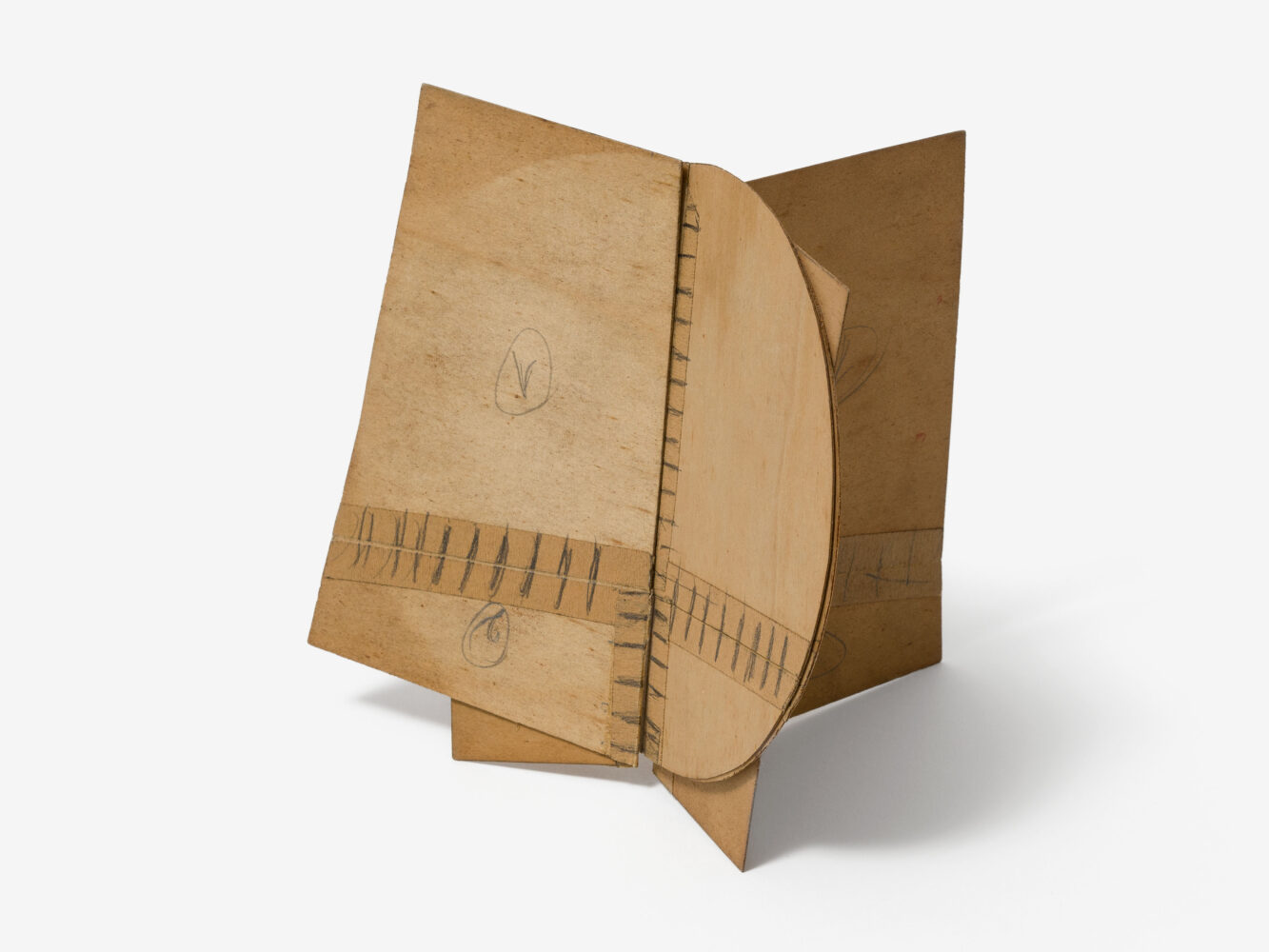
Bicho (Pancubismo / Pancubism), 1960. © Associação Cultural O Mundo de Lygia Clark. Courtesy of Estate of Lygia Clark, Courtesy Alison Jacques. Photography: Michael Brzezinski.
Dior to McQueen: Fashioning Form, a major exhibition presenting visionary fashion designs from the past eight decades in dialogue with postwar and contemporary sculpture, will be presented at the San Francisco Museum of Modern Art (SFMOMA) from May 15 – September 7, 2027. Dior to McQueen: Fashioning Form traces parallel approaches to making, as demonstrated in cutting-edge fashion and sculpture from 1947 to today. The presentation invites visitors to discover the many creative affinities between these two inspirational artistic fields.
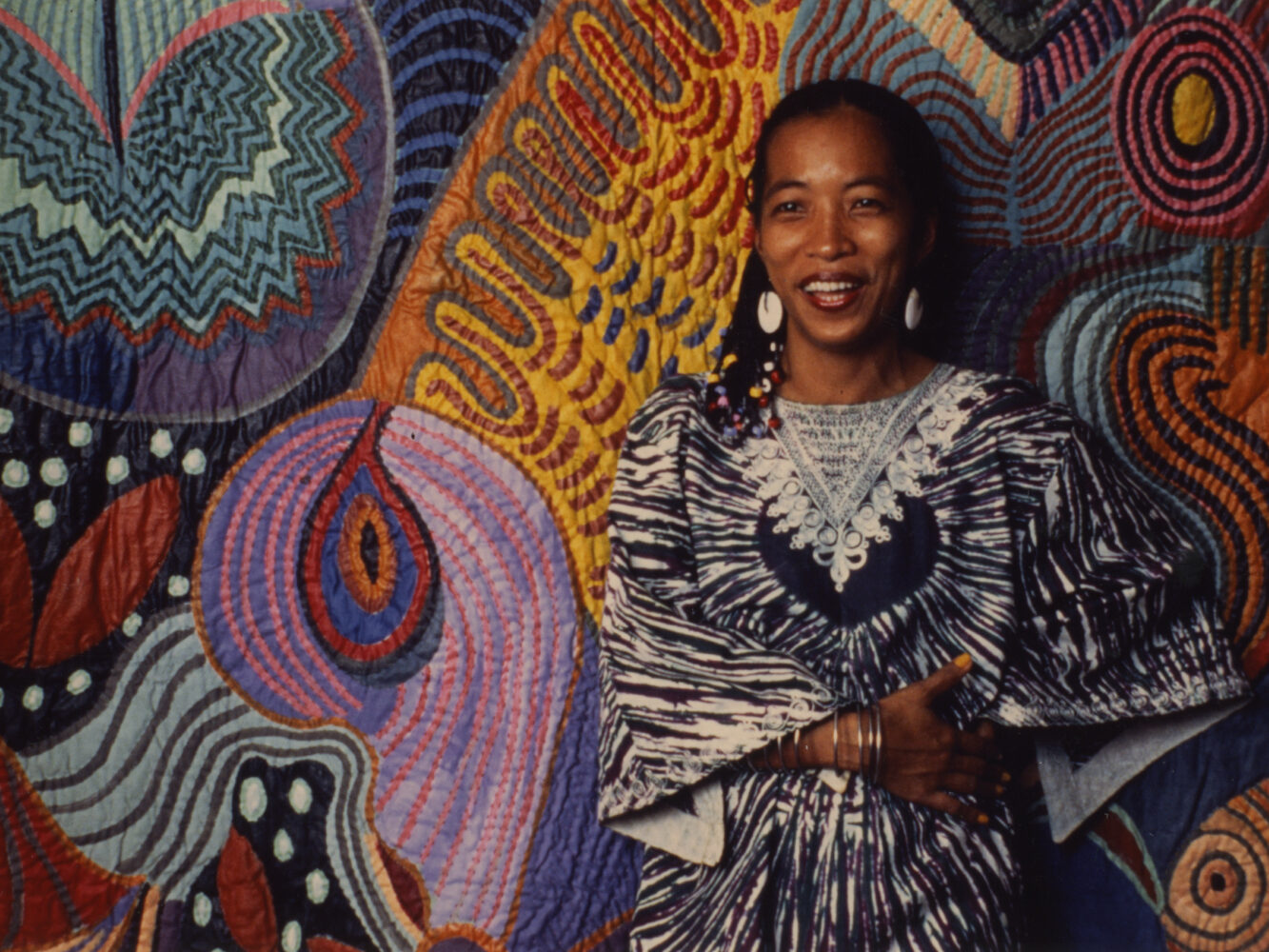
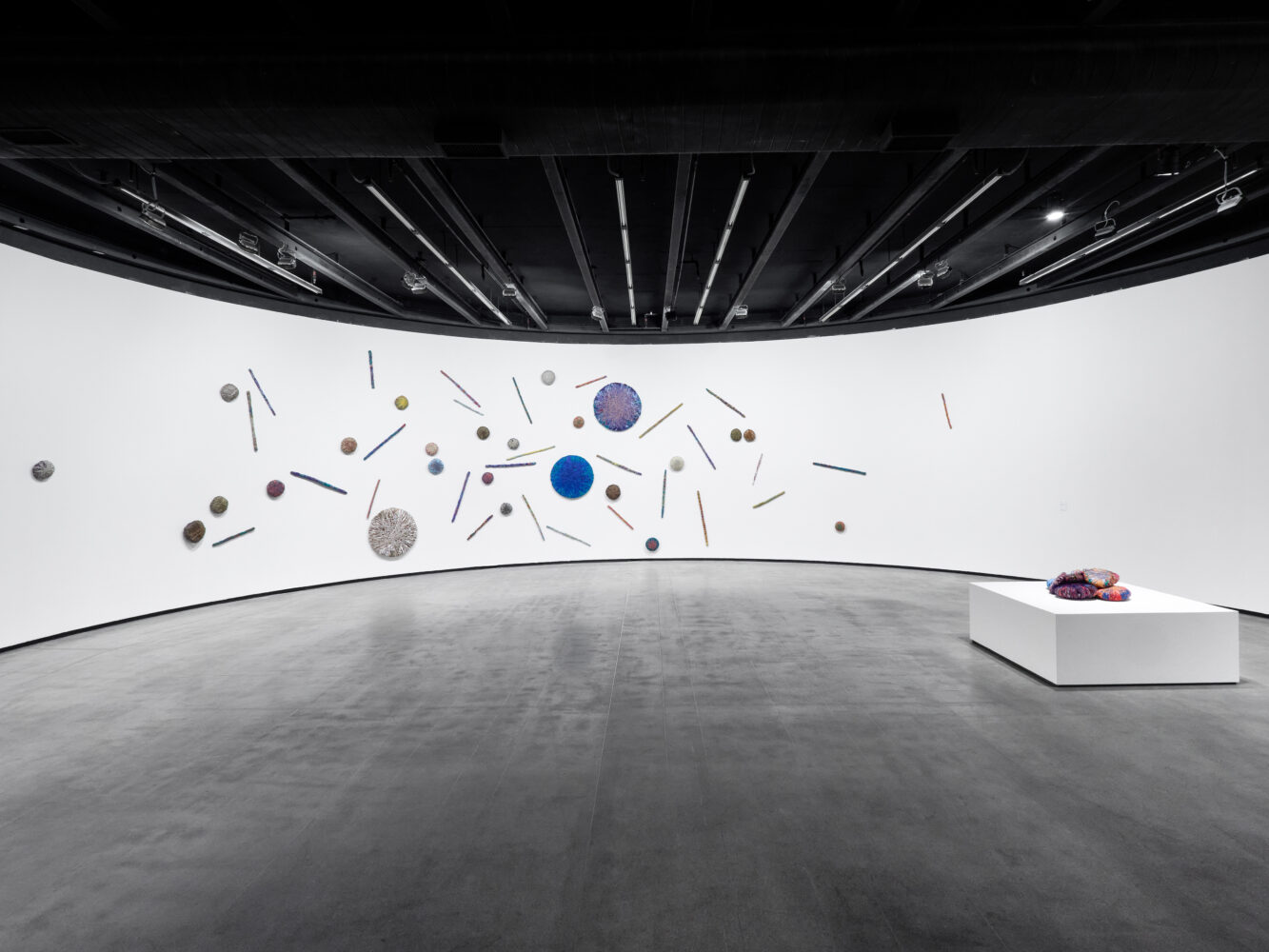
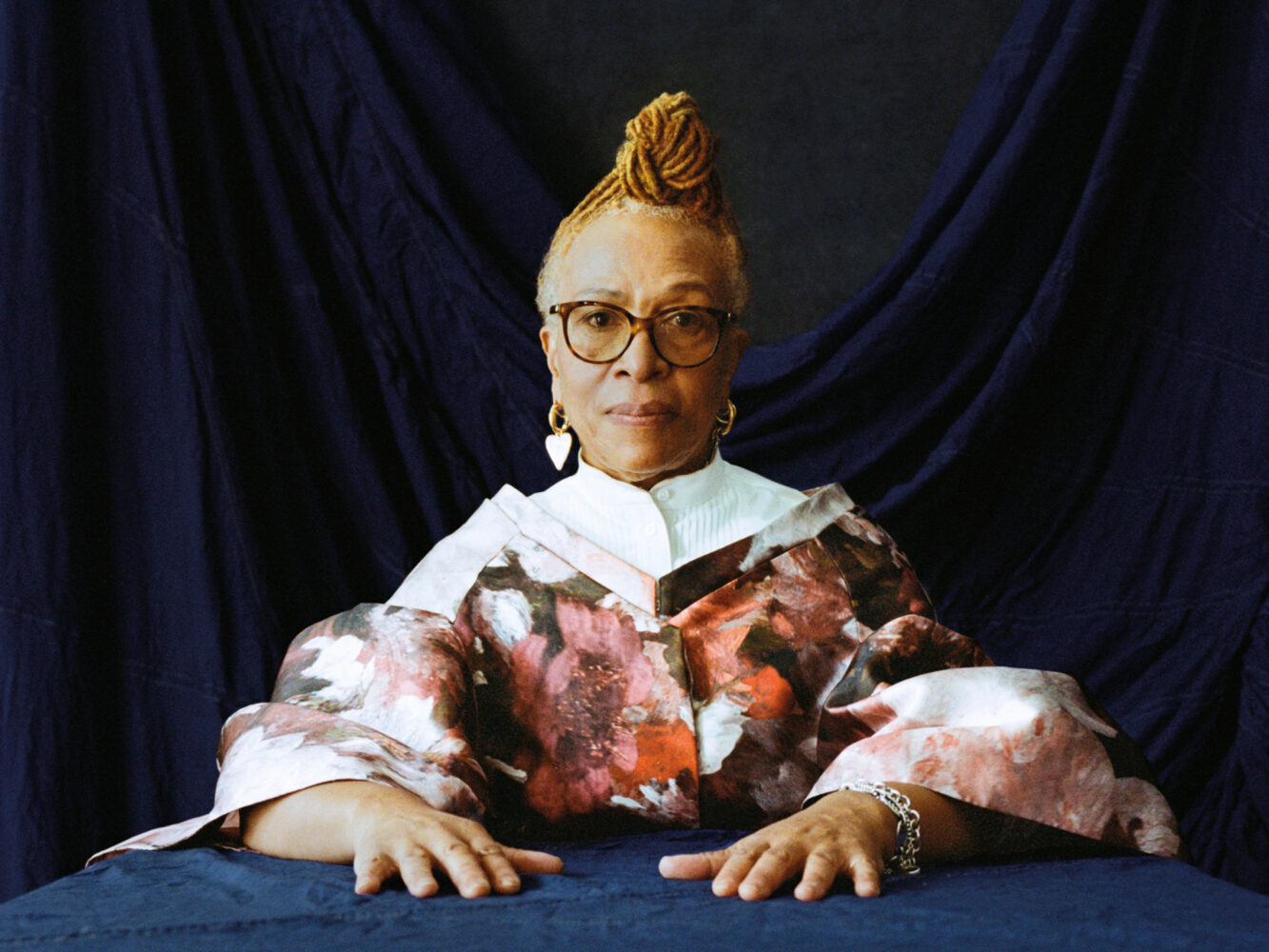
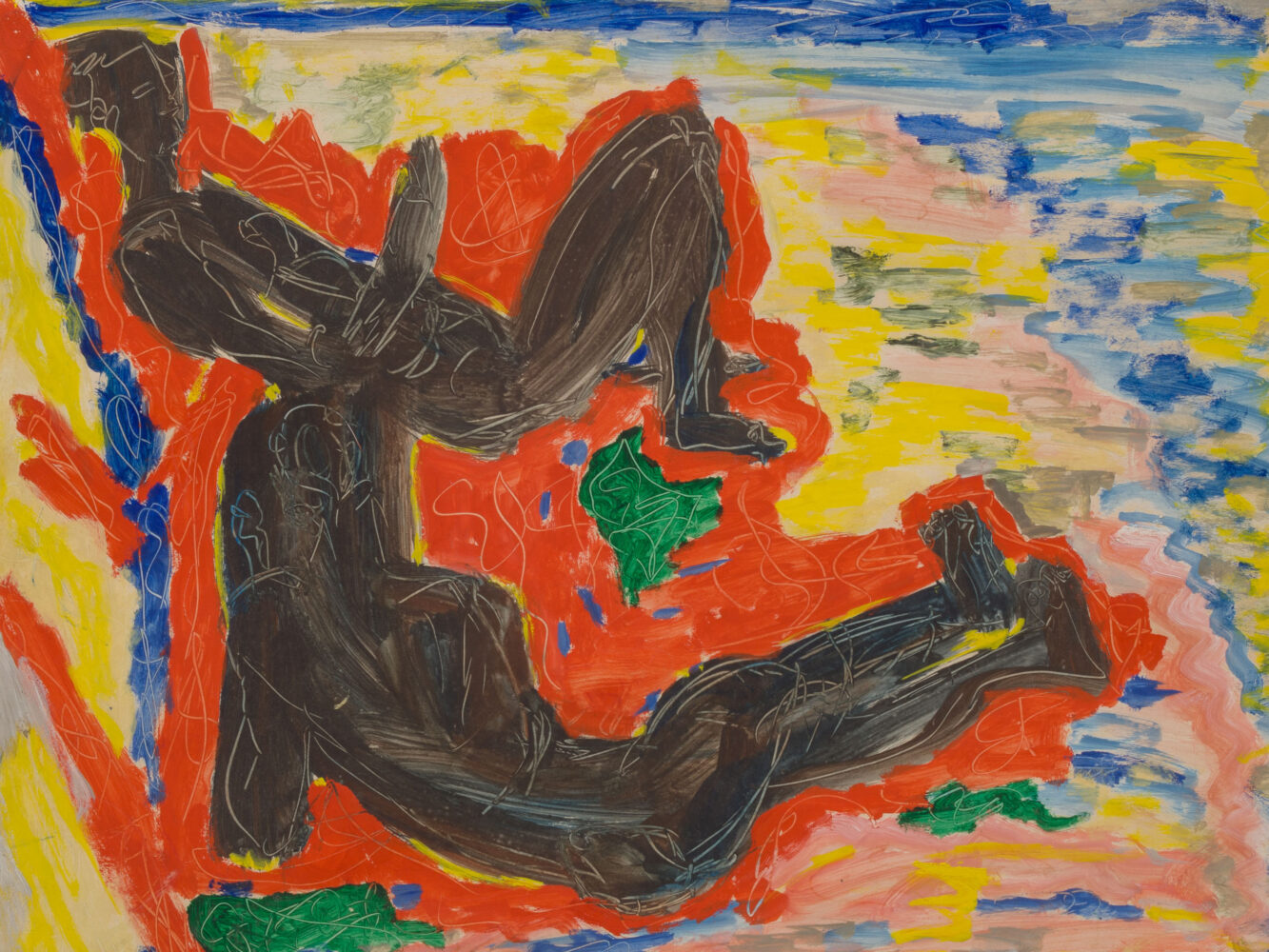
The 45 designers featured in the exhibition include Cristóbal Balenciaga, Thom Browne, Pierre Cardin, Christian Dior, Charles James, Rei Kawakubo, Alexander McQueen, Issey Miyake, Daniel Roseberry for Schiaparelli, Iris van Herpen, Ying Gao and many others. Among the 15 influential sculptors whose works anchor the thematic sections are Lygia Clark, Fletcher Benton, Louise Bourgeois, John Chamberlain, Jannis Kounellis, Tatsuo Miyajima, Henry Moore, Ernesto Neto, Cornelia Parker and Alan Rath, among others.
‘This truly unique, immersive exhibition positions innovative fashion directly in the context of postwar and contemporary art, including major works of sculpture in SFMOMA’s collection’, states Christopher Bedford, SFMOMA’s Helen and Charles Schwab Director. ‘The museum’s first major fashion exhibition since our Issey Miyake retrospective in 1983, this presentation shows how the most daring works of fashion and sculpture have made use of new technologies and techniques to re-conceive what a work of art can be.’
In the aftermath of World War II, fashion designers and sculptors alike began rethinking the human form, responding to a world reshaped by rupture and renewal. Through bold experimentation with new materials and innovative methods of construction, artists reimagined their respective disciplines, challenging conventional representations of the figure in favour of more experimental approaches. Whether working with silk, wool, wood, metal or plastic, these artists stretched the limits of abstraction, moving away from realistic representation of the body. Today, that spirit continues with wearable technologies that respond to movement and environment in real time. Here, fashion and sculpture increasingly converge, with the body constantly in motion and open to reinvention and change.
Dior to McQueen: Fashioning Form opens with two complementary works in fashion and sculpture that each represent artistic turning points in the postwar era. The exaggerated hourglass shape of Christian Dior’s iconic Bar suit from 1947, which launched the dramatically tailored New Look in women’s fashion, is paired with a Louise Bourgeois sculpture of the same year from her Personnages series. Dior’s suit introduces a structured silhouette of dramatic curves: an unadorned white silk jacket with an impossibly narrow waist, worn with an excessively full, pleated black skirt. As a counterpoint, Bourgeois’ Persistent Antagonism sculpture, made simply in painted wood, abstracts the human figure into a slender white shape atop an elongated black ‘skirted’ form that balances improbably on a narrow point. Each artist, working in their own way, imagines a radically reshaped human figure in the years immediately following World War II.
‘Today’s most progressive designers are challenging the norms of wearability and recasting the silhouette as anything but traditional. Trailblazing fashion designs that have emerged since the postwar era blur the boundaries between art, performance and self-expression,” says Ann Marguerite Tartsinis, curator of Dior to McQueen and head of costume and textiles at Philadelphia Museum of Art.
The exhibition continues by exploring corresponding methods of making that are found in abstract sculpture and fashion, from dramatic acts of binding and assemblage to the ripping and tearing of deconstructed forms. In a thematic section exploring radical folds and layering, John Chamberlain’s Fenellosa’s Column (1983), a 10-foot-tall sculpture of crushed and folded chromium-plated steel, is presented together with fashions that make extreme use of pleats and other compression techniques. Examples range from the exacting micro pleating of Madame Grès’ sculptural gowns or Adrian’s heavily draped metallic grey dress, both from the 1950s, to the crushed metal mask and compressed plastic sheeting of Glenn Martens’ recent menswear look for Margiela Artisanal (2025).
The exhibition also highlights fashion and sculpture that examine the tension and elasticity of stretch materials, pushing fabric and structure to their physical limits, and the integration of interactive media, kinetic elements and emerging technologies. Together, these techniques reveal acts of extraordinary invention and reinvention in fashion and sculpture.